
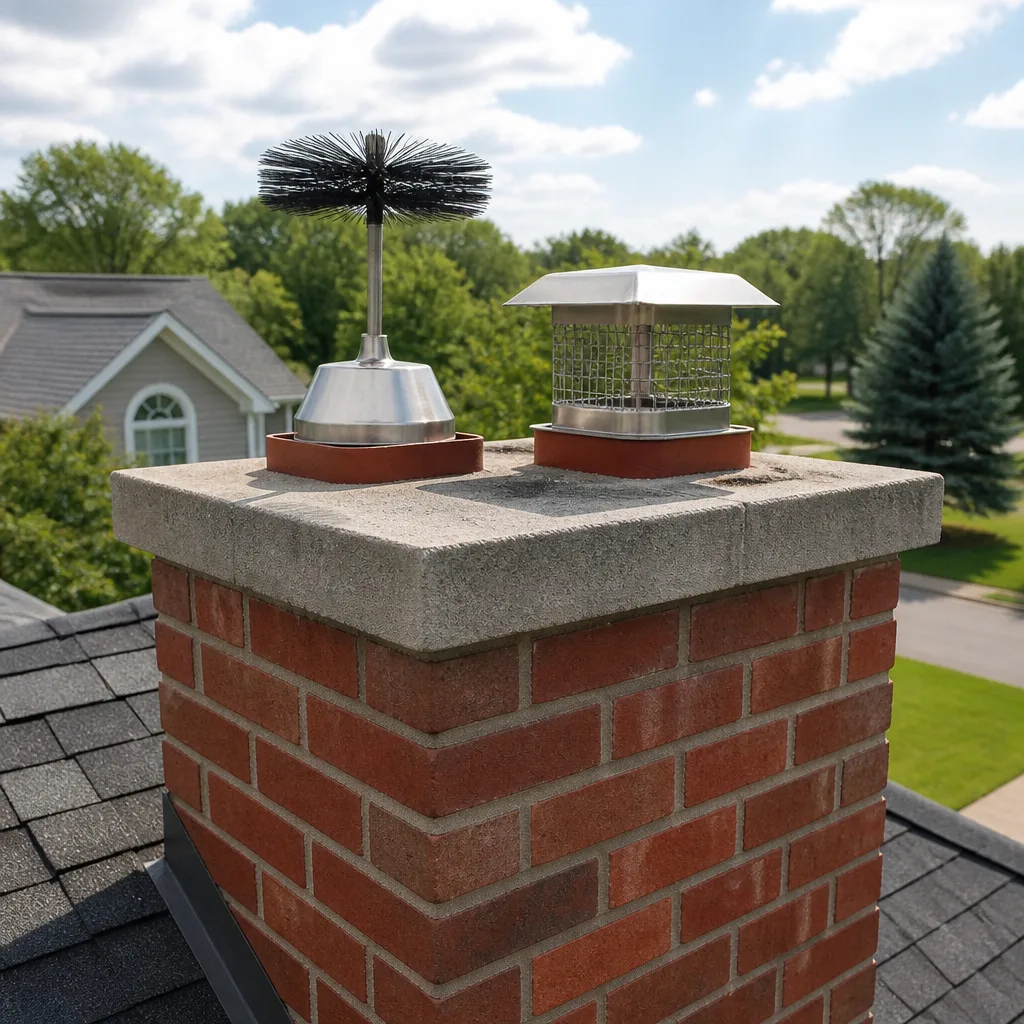
 Sweep & inspection
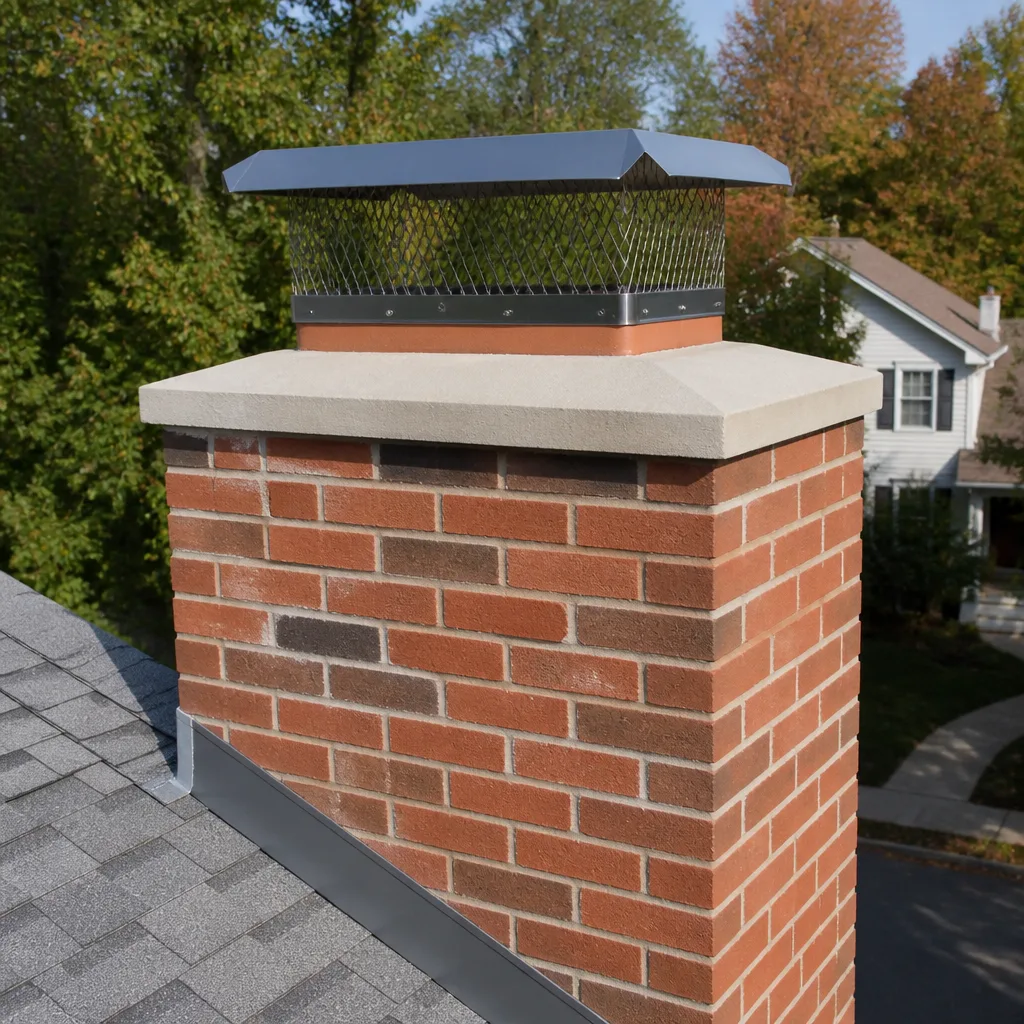 Caps & crowns
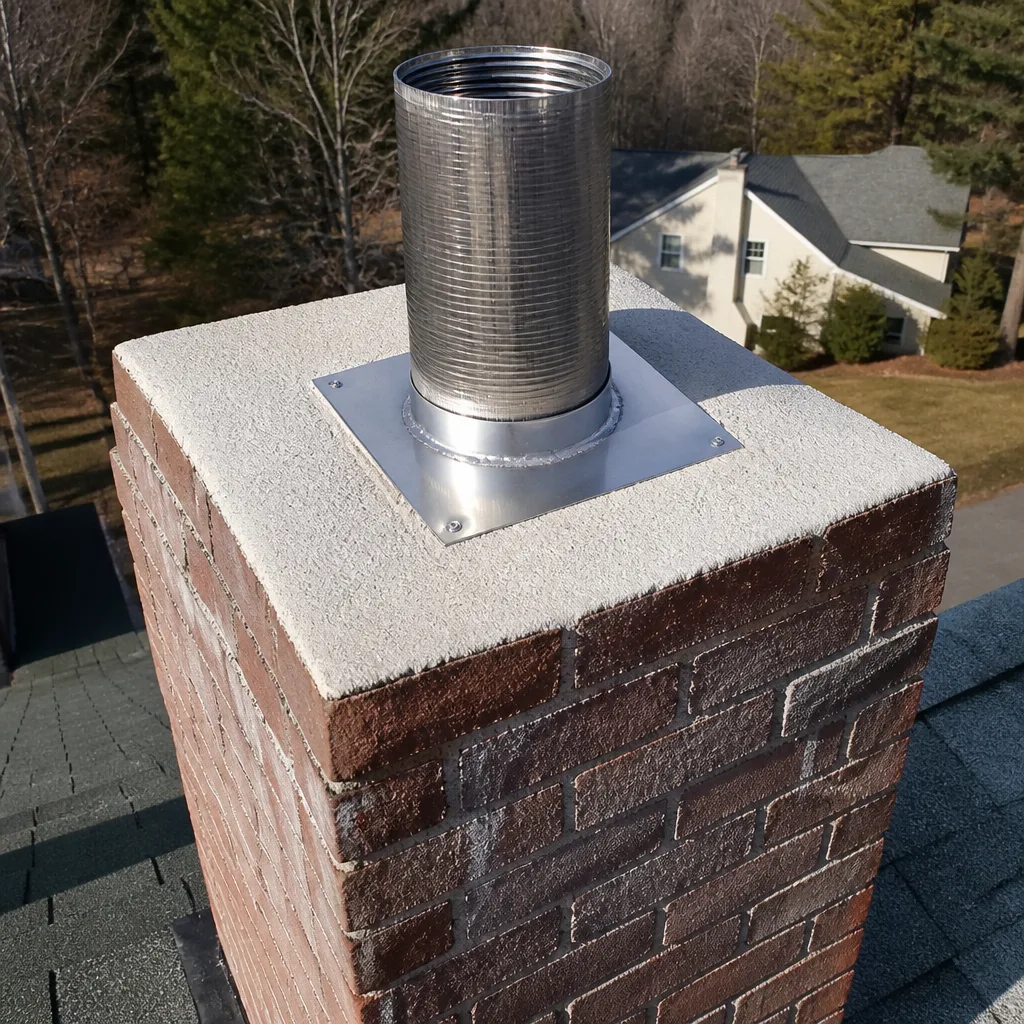 Flue relining
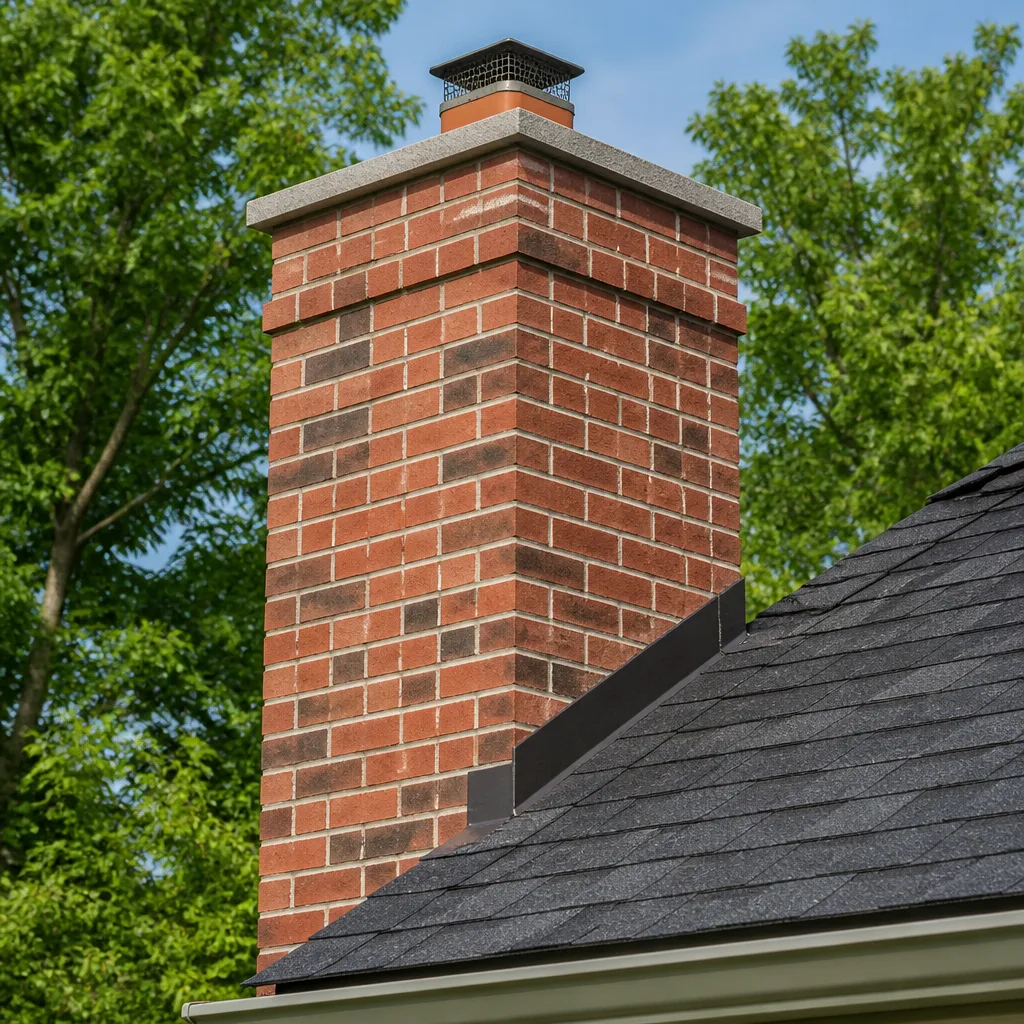 Masonry repair
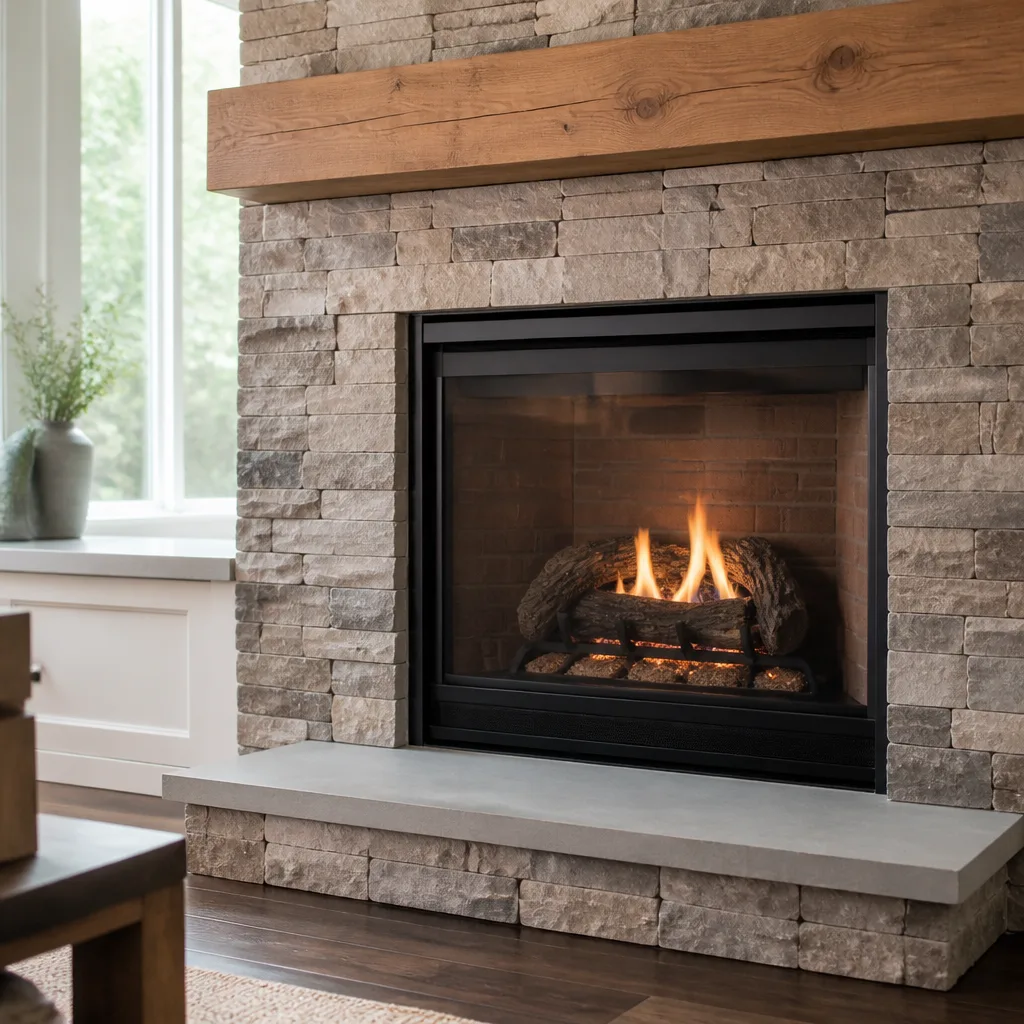 Gas fireplace service
Level 1 sweep and inspection to the NFPA 211 annual standard - flue, crown, cap, and flashing checked and photographed
Chimney sweep logs do not sweep chimneys. They loosen some creosote - which then falls where a brush and vacuum still have to collect it.
Styles & brands we work with
- Sweep & inspection
- Caps & crowns
- Flue relining
- Masonry repair
- Gas fireplace service
See the difference
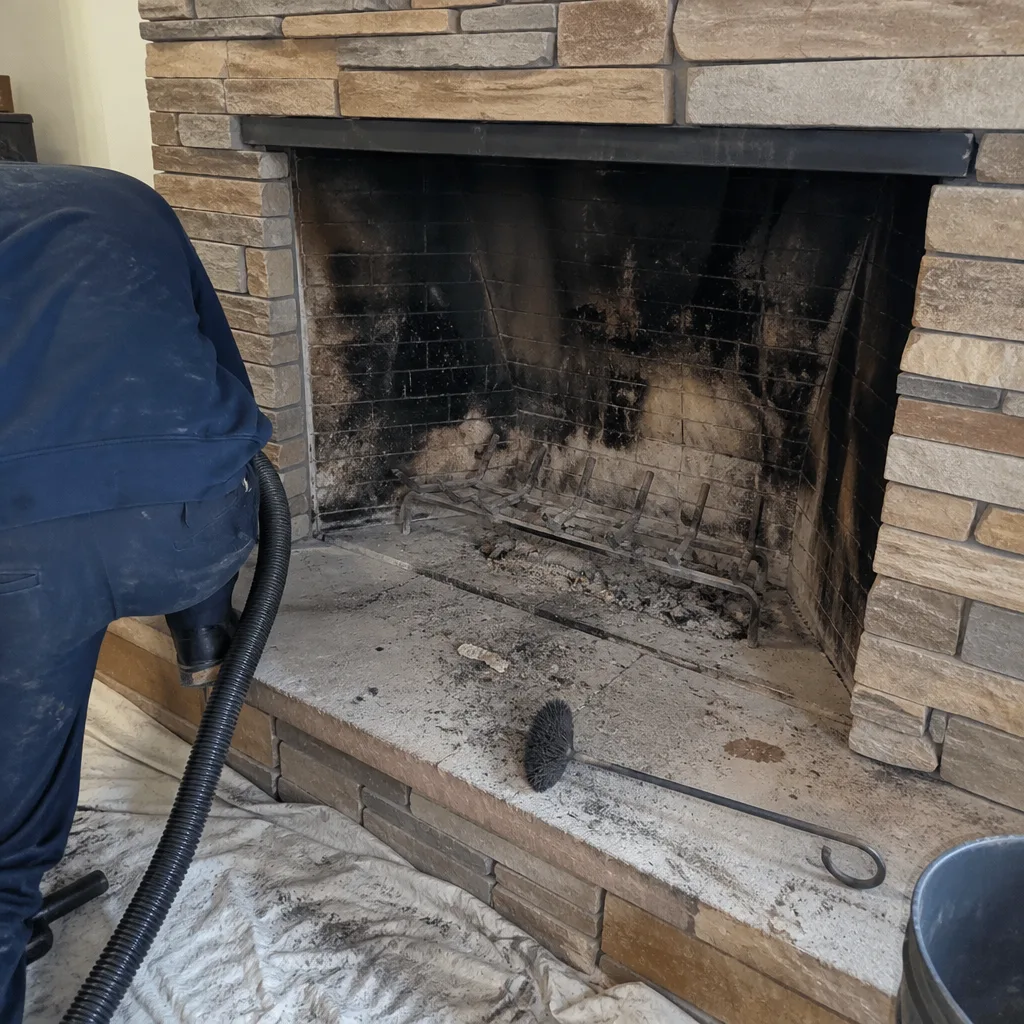 Before
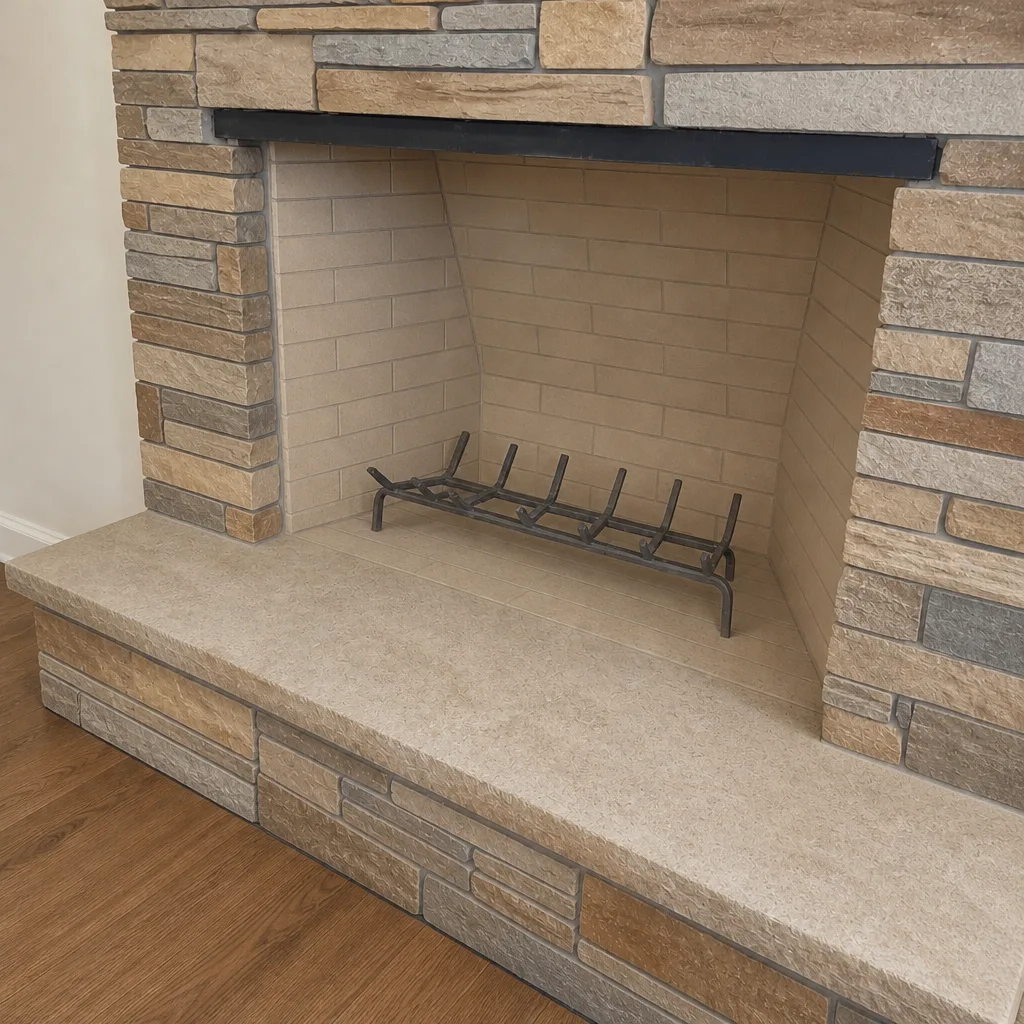 After
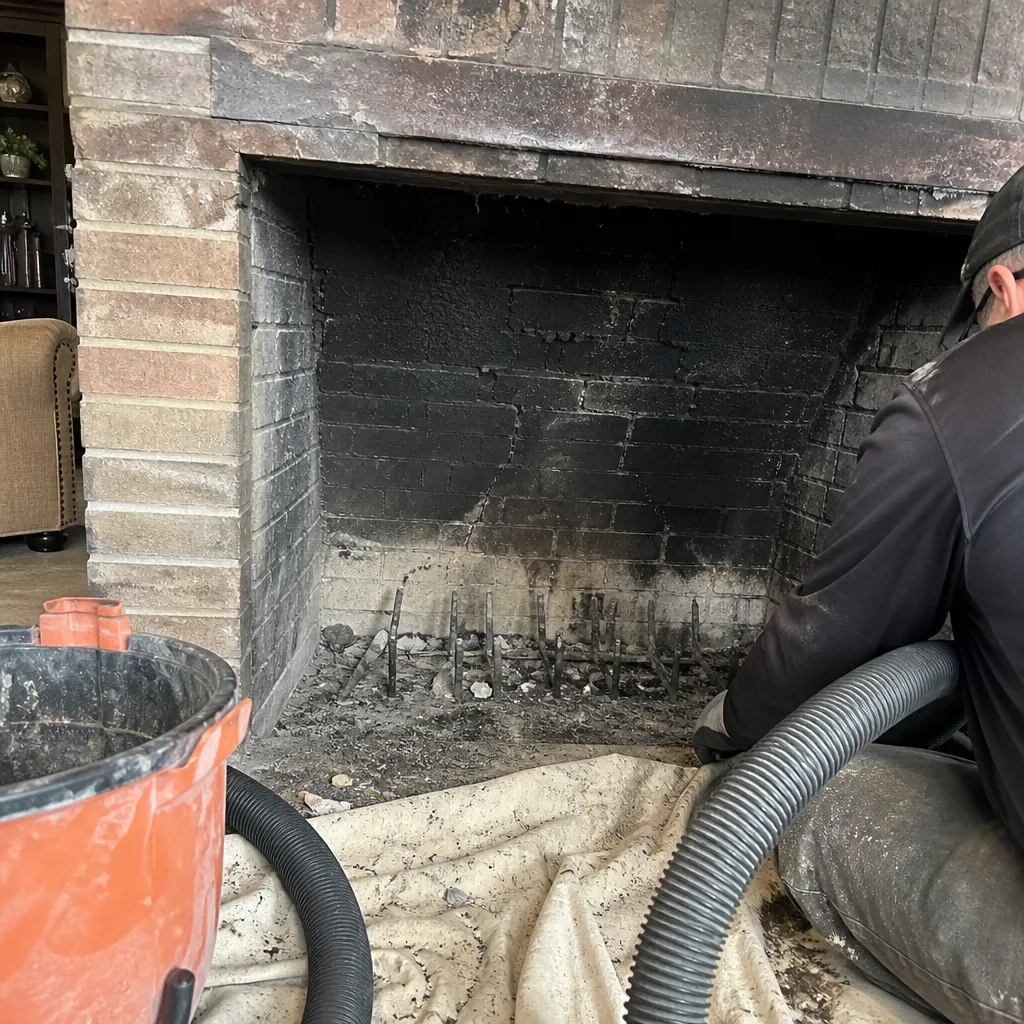 Before
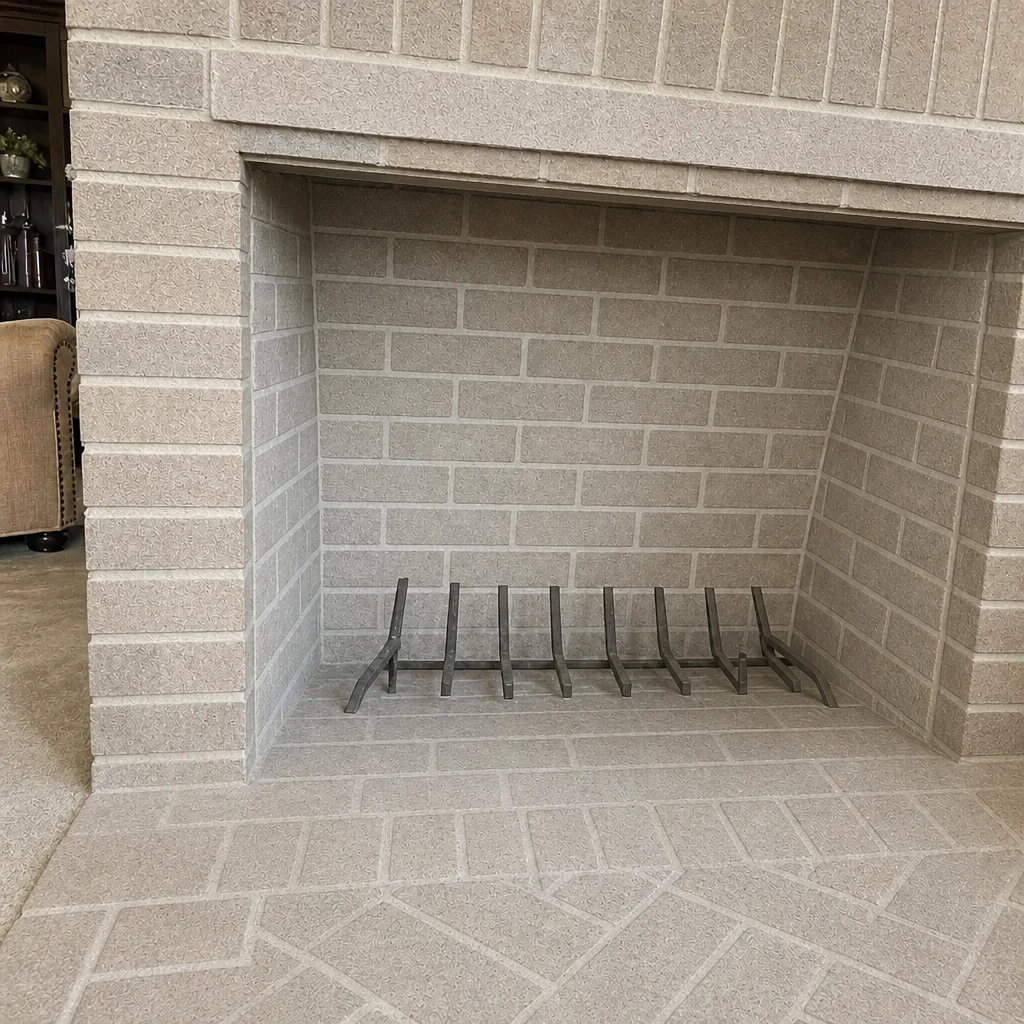 After
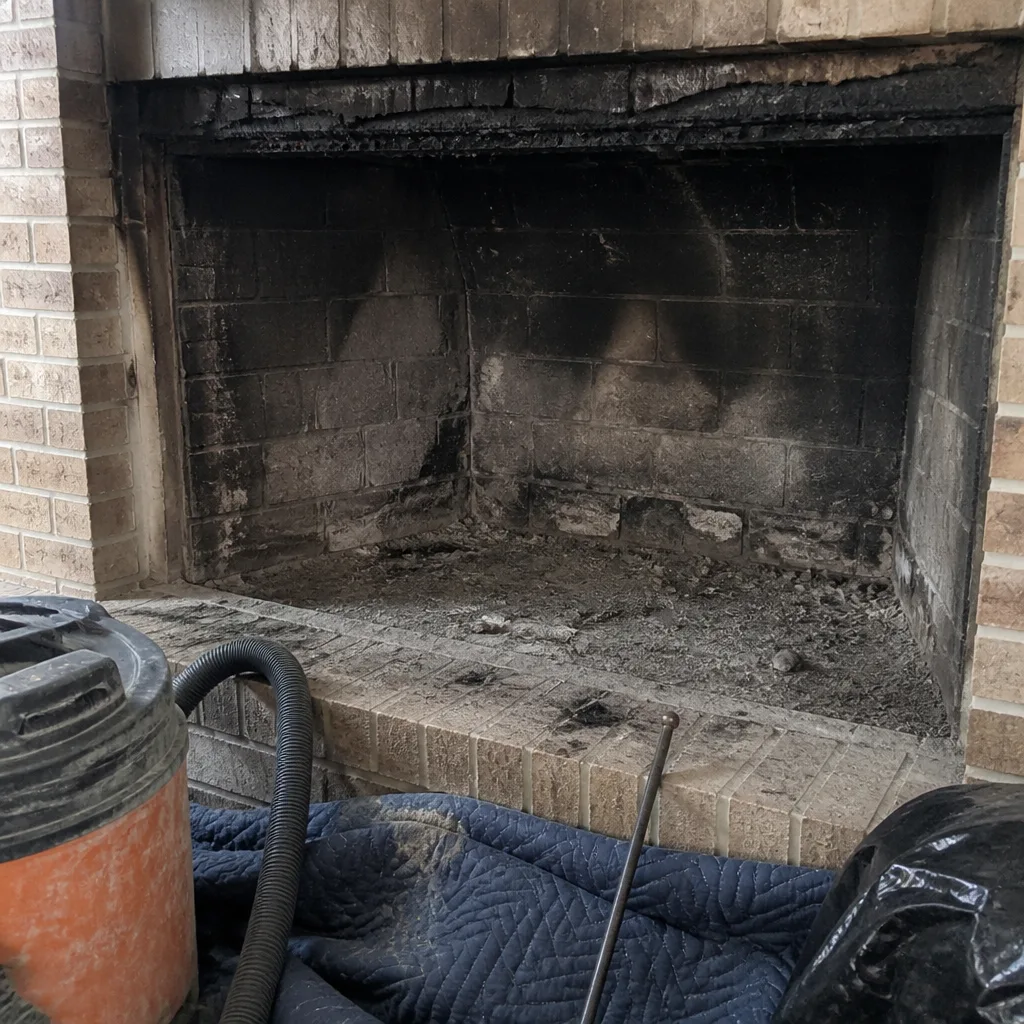 Before
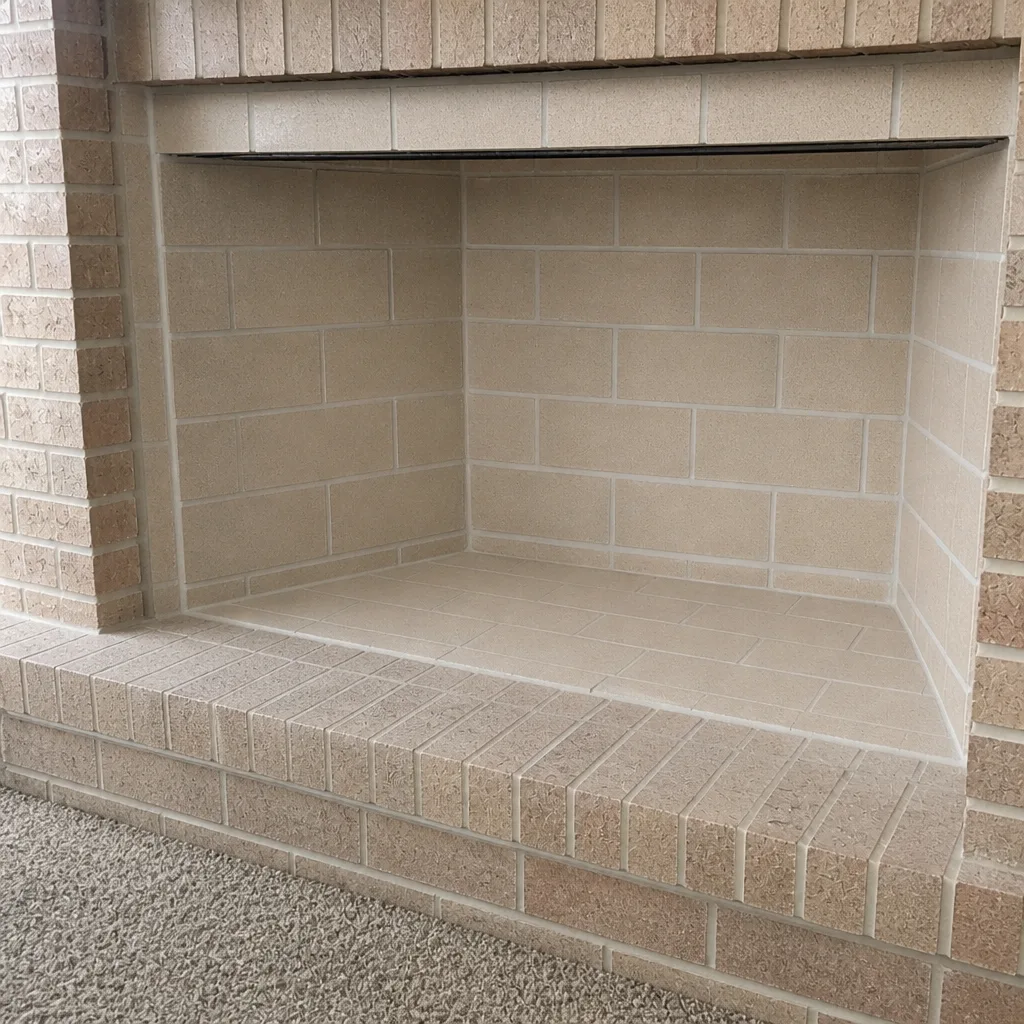 After
How Much Does Chimney Cleaning Cost in Centennial?
Chimney cleaning in Centennial typically costs $185 to $350 for a standard wood-burning flue, and a gas fireplace service usually runs $135 to $225. If your technician finds a glazed creosote layer or a damaged liner during the sweep, a repair added to the same visit can push the total to $400 to $1,200. The written estimate always sets the final price, and estimates are free.
We connect homeowners across Centennial with independent local chimney professionals who perform the work. Our technicians have up to 12 years of experience, and every job starts from the same place: knowing what’s actually in your flue before anyone quotes a number. Call (855) 550-7361 to book a visit. We answer 24/7, with fast dispatch from 7am to 7pm, Sunday through Friday.
Key Takeaways
- A standard sweep runs $185 to $350 in the Centennial market.
- Standalone inspections cost $125 to $275, and they aren’t required just to get a cleaning.
- Glazed (Stage 3) creosote and damaged liners are the two findings that most often raise the bill.
- Centennial’s dry, high-altitude climate and long heating season shape how often a sweep is actually needed.
- Estimates are free, and the price is set per job before work begins.
Chimney Cleaning Cost Breakdown (2026)
These are typical, estimated ranges for the Centennial market in 2026. Your written estimate is what holds, and a technician confirms the scope after seeing the flue, firebox and cap.
| Service | Typical Cost Range | What It Covers |
|---|---|---|
| Standard wood-burning sweep | $185 to $350 | Removal of soot and creosote from the flue, firebox and smoke chamber; debris cleared from the damper |
| Gas fireplace cleaning | $135 to $225 | Cleaning of the firebox, logs and glass; checking the vent path; testing flame pattern |
| Standalone Level 2 inspection | $125 to $275 | Video scan of the flue and a full visual review of the system, offered on its own and never bundled as a required add-on |
| Sweep plus inspection in one visit | $250 to $450 | Cleaning followed by a camera review so you know the flue’s condition after it’s clean |
| Glazed creosote removal | $400 to $900 | Mechanical removal of hardened, tar-like Stage 3 creosote that a standard brush won’t clear |
| HeatShield flue resurfacing | $800 to $2,500 | Restoring a deteriorating liner with a ceramic resurfacing system instead of a full tear-out and reline |
| DuraFlex flexible liner installation | $2,200 to $5,500 | A new flexible stainless liner for flues with offset or non-standard paths |
| Chimney cap replacement | $250 to $650 | A new cap sized to the flue, keeping rain, snow and animals out |
| Crown repair or rebuild | $450 to $1,800 | Sealing hairline cracks or rebuilding a failing crown that’s letting water into the masonry |
What drives cost up or down? The biggest single factor is what’s living inside the flue. A lightly used fireplace with soot and Stage 1 creosote cleans out fast. Stage 3 creosote – the hard, glazed, tar-like layer that builds when a fire burns cool and smoky – takes mechanical removal and can double or triple the sweep price. After that, it’s access: roof pitch, chimney height, and how the flue is routed all affect how long a job takes. And anything found during the sweep, from a cracked flue tile to a rusted damper, adds to the total if you decide to address it the same day.
Your chimney is a system – every component affects fire safety and efficiency. That’s why the cost of a sweep is only part of the story. The firebox, damper, smoke chamber, flue, cap and crown all work together, and a technician who only cleans the flue without checking the rest is doing half the job.
What Affects Chimney Cleaning Pricing in Centennial
- Creosote stage. Stage 1 soot sweeps out easily. Stage 2 is a rough, flaky deposit that takes more brushing. Stage 3 is glazed and bonded to the flue wall, and it’s a fire hazard with its own removal process and its own price. The stage depends on how the previous owner burned, so you may not know until the brush goes in.
- Flue configuration. Straight flues are quick. Offsets, elbows and back-to-back fireplace layouts slow the work and sometimes require a flexible liner system like DuraFlex to do any repair properly.
- Fireplace type. Gas fireplaces carry much less creosote load than wood, so the cleaning itself is priced lower. But gas units still need their vent path checked, because a blocked flue on a gas appliance is a carbon monoxide concern, not just an efficiency one.
- Chimney height and roof access. A tall chimney on a steep roof takes more time to work from safely. A short interior chimney above a firebox is faster. Centennial’s mix of two-story homes and single-story ranches along the southern end of the city means access varies block to block.
- Neglected maintenance. A chimney that hasn’t been swept in several seasons carries more soot and more risk, and often turns up secondary issues – a missing cap, a cracked crown, water staining at the smoke chamber – that a regularly serviced flue wouldn’t have.
- What gets added to the visit. A cap or crown replacement done during the sweep can save you a second appointment. The two leading causes of water intrusion damage in this region are a missing cap and a failing crown, so addressing either at the same visit keeps the price per item lower than splitting it into two calls.
One local factor runs the other direction from what homeowners usually expect. Centennial sits high and dry, with a long heating season and low humidity through much of the year. Creosote forms faster with cool, smoldering fires – the kind you get when you damper down hard to hold heat through a cold night – and slower with hot, efficient burns. Altitude also affects draft, and a chimney that doesn’t pull well deposits more creosote per cord of wood. If your fires tend to smoke and puff rather than burn clean, budget for more frequent sweeps than a homeowner burning hot, dry, seasoned wood.
How Often Do You Actually Need a Sweep in Centennial?
Most Centennial homes that burn wood regularly need a sweep once a year, and the practical rule is to have it done before the heating season starts. You can also judge by soot: if the buildup inside the firebox or flue reaches about an eighth of an inch, it’s time. Homes that burn only a few fires a year can stretch to every other year, but that’s a decision to make after someone has looked, not a guess.
Two things push Centennial households toward the more frequent end. The first is a long fire-season habit – fires from the first cold snap into spring add up. The second is draft behavior at altitude, which can leave more creosote behind per burn. Gas fireplace owners can go longer between cleanings on the firebox itself, but the vent still wants an annual look. An inspection first – so you know exactly what you’re paying for and why – is the honest way to set your interval. We offer inspections as a standalone service precisely so you’re not paying for a cleaning you may not need yet.
Safety matters here, and it’s worth saying plainly. Creosote is flammable, and a chimney fire is one of the few home hazards that can go from nothing to serious in minutes. We don’t hand out brush-and-rod instructions for the inside of a flue – working at height and inside a chimney is a job for a trained professional with the right tools, and a fall or a missed deposit is a real risk. What you can check yourself is simple: the cap is present and intact, the damper opens and closes, the firebox has no loose brick or cracked mortar, and there’s no water staining around the chimney at the ceiling line or roof. If any of those are off, that’s your cue to call.
We use components from a defined set of professional-grade brands – DuraFlex, HeatShield, Gelco, Olympia Chimney, Famco and Copperfield – because they’re what chimney professionals specify, not what’s convenient to source. For more on how we approach whole-system servicing, see Chimney Sweep Highlands Ranch, which covers the full range from sweep through structural repair.
How to Save on Chimney Cleaning
Chimney cleaning isn’t a category where the cheapest quote wins, because the price and the quality of the work move together. But there are smart ways to keep the total down without cutting corners on safety.
- Book a sweep and inspection together when you need both. If you’re buying a home, moving in, or the flue has gone several seasons, the combined visit runs less than two separate appointments.
- Fix the cap and crown during the sweep. Catching a missing cap before water gets into the masonry is far cheaper than repairing damaged mortar and flue tile later. Cap and crown work is preventive, and doing it at the same visit avoids a second dispatch.
- Burn dry, seasoned wood and burn hot. The single best way to keep creosote low – and future sweep prices at the low end – is to avoid smoldering fires. Well-seasoned wood and a fire that actually pulls draft deposit far less.
- Don’t skip the annual sweep to save money. Letting the flue load up doesn’t save the money; it defers it into Stage 3 creosote removal, which costs more than a sweep would have.
- Ask for the estimate before the work starts. Our estimates are free, and the price is set per job in writing, so you know exactly what you’re paying for and why before anyone picks up a brush. Call (855) 550-7361 to get one.
If your liner turns out to be deteriorating, you don’t always face the cost of a full reline. HeatShield ceramic flue resurfacing restores a failing liner from the inside, and DuraFlex flexible liners handle the flue paths that rigid liners can’t. Restore the liner rather than replace the chase, where the condition allows it – that’s what HeatShield makes possible, and it keeps a structural repair out of the picture.
Chimney Repair Costs Beyond Cleaning
Sweeps sometimes turn up work that goes past cleaning. Here’s how those add-ons tend to price in Centennial, so you can plan ahead.
- Fireplace repair – damper replacements, firebox brick and mortar repair, and refractory panel replacement typically range from $250 to $1,200 depending on scope.
- Chimney repair – crown and mortar work, flashing and masonry repairs generally run $450 to $3,500, with structural rebuilds at the top of the range.
- Liner systems – a restored or replaced liner runs from about $800 for resurfacing up to $5,500 for a full flexible install on a complex flue.
- Cap and crown – replacement is usually $250 to $1,800 across both items, and it’s the pair of repairs most often caught during a routine sweep.
From the firebox to the cap, we handle it in one visit where the scope allows. Five core service categories – sweep, inspection, fireplace repair, chimney repair, and cap and crown work – mean you’re not passed to a second contractor for structural or component work. Inspections stay available on their own, too, because a diagnostic-first approach is more useful to a homeowner than a mandatory add-on.
FAQs – Chimney Cleaning Cost
How much does chimney cleaning cost in Centennial?
Chimney cleaning in Centennial typically costs $185 to $350 for a standard wood-burning flue and $135 to $225 for a gas fireplace. A standalone inspection adds $125 to $275 if you want one done as a separate service. Call (855) 550-7361 for an exact quote – estimates are free.
Is it cheaper to repair or replace a chimney liner?
Restoring a liner usually costs less than replacing it – HeatShield resurfacing runs about $800 to $2,500, while a full liner install runs $2,200 to $5,500. Restoration depends on the liner’s condition, so an inspection comes first. Call (855) 550-7361 to find out which one your flue actually needs.
How much does glazed creosote removal cost?
Glazed creosote removal in Centennial usually costs $400 to $900, on top of a standard sweep if the flue has Stage 3 deposits. That’s well above a routine sweep, which is why catching creosote early saves money. Call (855) 550-7361 for a free estimate.
Do I need an inspection before a cleaning?
No – an inspection is not required before a cleaning and isn’t bundled as a mandatory add-on. We offer inspections as a standalone service, so you can choose one only if the flue’s condition is uncertain or you’re buying a home. Call (855) 550-7361 to talk through which service you need.
Can you come today?
Same-day service is often available, and scheduling depends on the day’s route. Sweeps typically run $185 to $350 once the scope is confirmed. Call (855) 550-7361 for an exact quote – estimates are free. We answer 24/7, with fast dispatch from 7am to 7pm, Sunday through Friday. A call outside those hours is booked into the next opening.
Whatever your chimney turns up, the goal is the same: a fire-safe, structurally sound system, priced honestly before work starts. We connect Centennial homeowners with independent local professionals who handle the sweep, the inspection, the fireplace and chimney repair, and the cap and crown work under one call. Call (855) 550-7361 for a free estimate. We answer 24/7, and dispatch runs 7am to 7pm, Sunday through Friday.
Pricing reflects the Centennial market as of 2026. Chimney Sweep Highlands Ranch offers free estimates – call (855) 550-7361.
Written by the team at Chimney Sweep Highlands Ranch.
What Our Customers Say
"Liner was cracked in two places. He walked me through the repair options honestly, including the one that was cheaper for him and better for me."
- Steve Anderson"Cap keeps the birds out now, which after two springs of scratching noises is worth every penny."
- Dana Hayes"Three other companies in Highlands Ranch either didn't pick up or wanted to schedule me for the following week. These guys had someone out the next morning."
- Dustin Lawson