
Last updated November 25, 2026
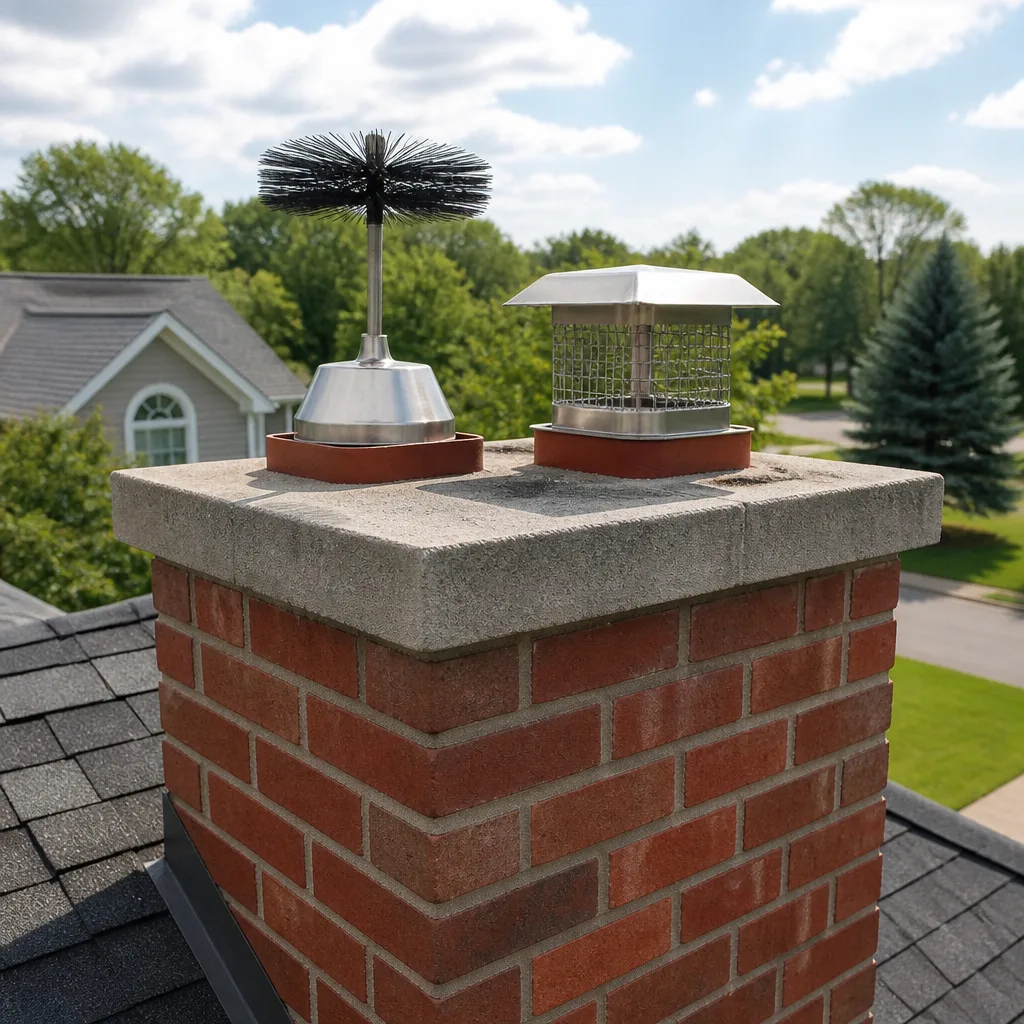 Sweep & inspection
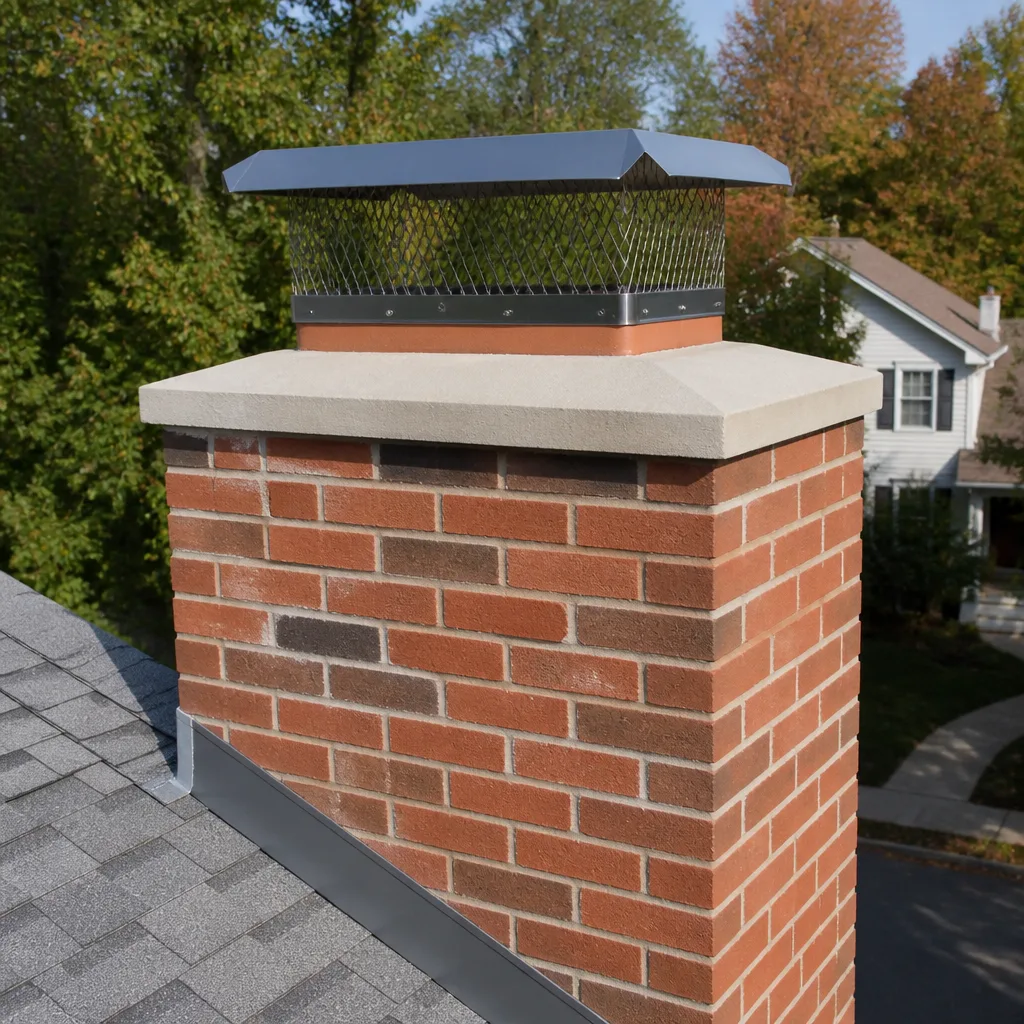 Caps & crowns
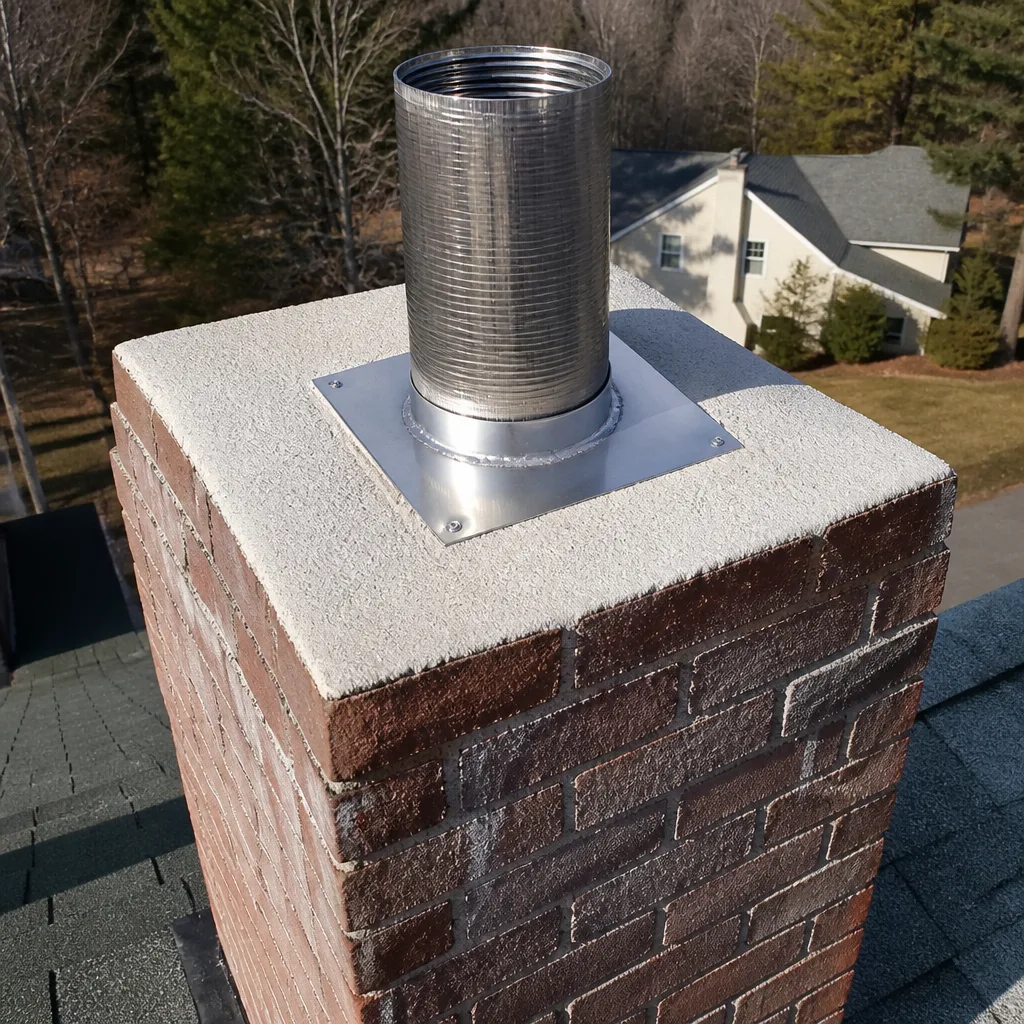 Flue relining
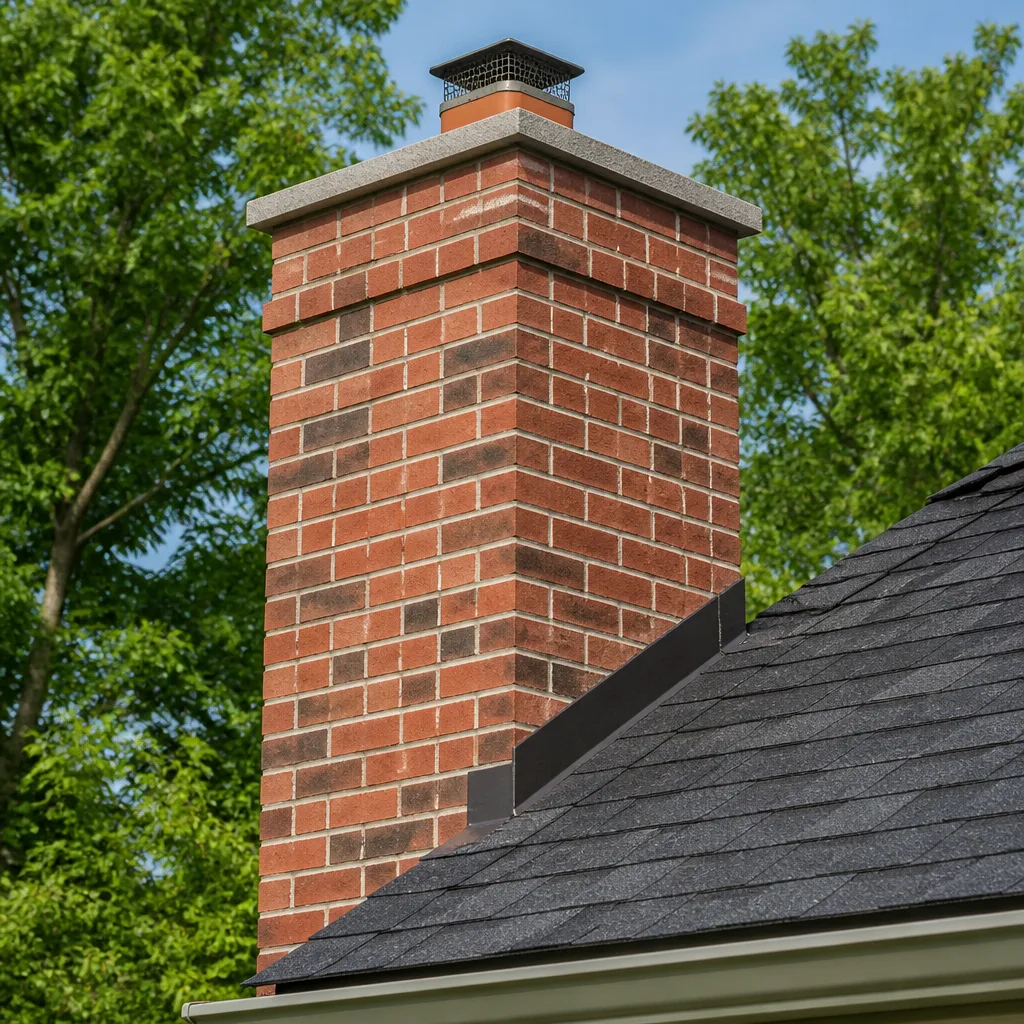 Masonry repair
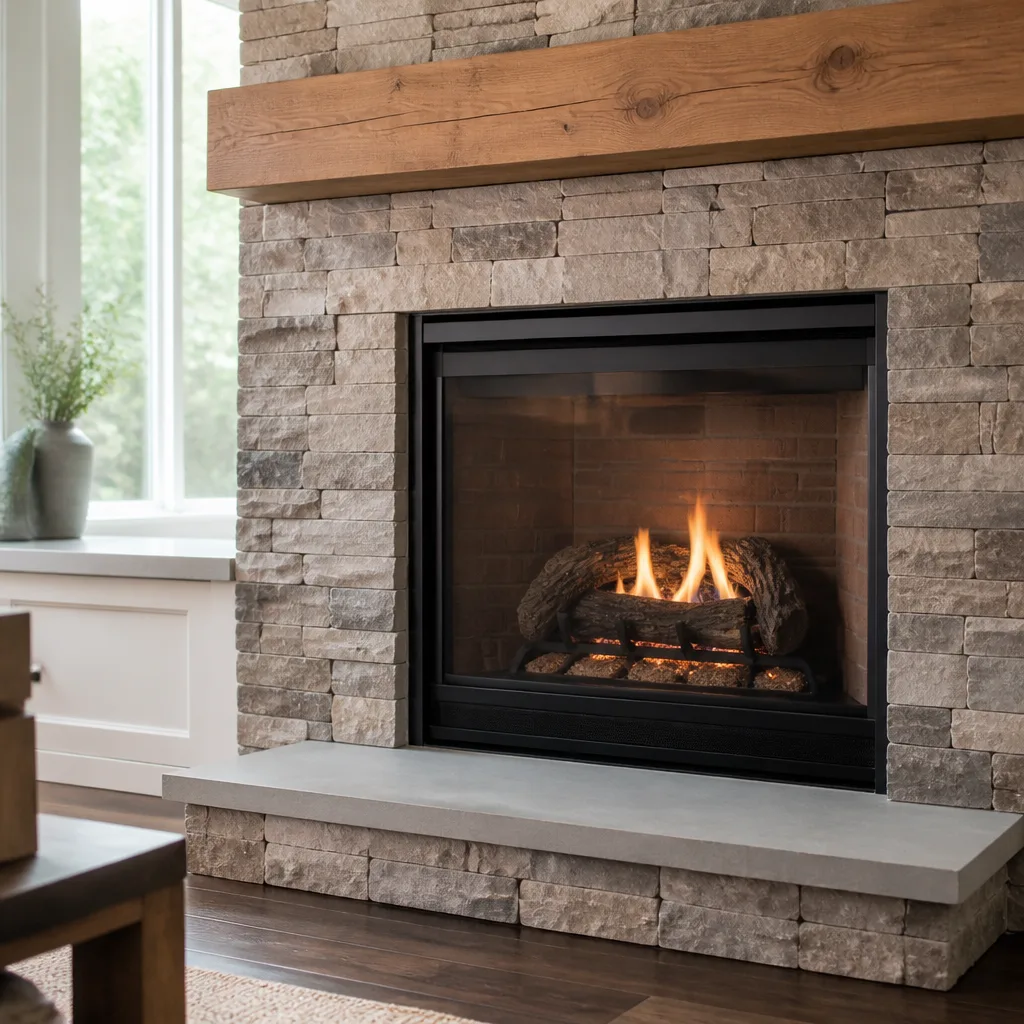 Gas fireplace service
Level 1 sweep and inspection to the NFPA 211 annual standard - flue, crown, cap, and flashing checked and photographed
Chimney sweep logs do not sweep chimneys. They loosen some creosote - which then falls where a brush and vacuum still have to collect it.
Chimney Cleaning Permits, Codes & Inspections in Highlands Ranch, CO: What You Need to Know
Chimney work that fails a home inspection isn’t always about bad craftsmanship. Sometimes it’s about paperwork. A liner replacement done without a permit, a wood stove conversion never signed off, a masonry rebuild that changed the structure of the chimney without the jurisdiction ever knowing. When the house sells, the buyer’s inspector notes it, the title company asks for the permit history, and the seller has to explain a job that looked fine on the surface. Here in Highlands Ranch, where a large share of homes were built in the 1990s and 2000s and many are now changing hands, permit history matters more than most homeowners realize. This guide walks through where Colorado draws the permit line for chimney work, what the International Residential Code expects, what NFPA 211 actually covers, and how an inspection fits in. You’ll also learn what Douglas County will and won’t handle for you.
Quick Answer
Routine chimney cleaning and inspection in Highlands Ranch and across Douglas County do not require a permit. Permits are generally required when chimney work crosses into structural or appliance territory: liner replacement, chimney rebuilds, wood-burning appliance installation or conversion, and any change that moves the chimney’s clearances or footprint. Colorado adopts the International Residential Code (IRC) for one- and two-family homes, and IRC Sections R1001 through R1005 govern masonry chimney construction and clearance. NFPA 211 sets the standard for chimney, fireplace, and venting systems and is what most inspectors reference in the field. When a permit is required, the work is supposed to be inspected by the local code authority, and that paper trail is what shows up during a home sale.
Styles & brands we work with
- Sweep & inspection
- Caps & crowns
- Flue relining
- Masonry repair
- Gas fireplace service
Table of Contents
- Where the Permit Line Sits for Chimney Work
- What the IRC Says About Masonry Chimneys (R1001 – R1005)
- NFPA 211: The Standard Behind Every Inspection
- How Douglas County Building Division Handles Permits
- Why Permit History Shows Up on Home Inspections
- How to Get a Chimney Inspection: County vs. Private
- Why Highlands Ranch Climate Makes These Rules Practical
- Common Mistakes to Avoid
Where the Permit Line Sits for Chimney Work
Most chimney work homeowners ask about falls into one of two buckets: the kind a sweep can do without ever touching a permit and the kind that requires a permit and a code inspection before anyone lights a fire. The distinction is not always obvious, and it’s worth knowing before you hire anyone. Here’s how the categories break down in practice.
Services that are typically permit-exempt
- Sweeping and cleaning. Removing creosote and soot from the flue, firebox, and smoke chamber is routine maintenance, not construction. No permit.
- Inspection. Level 1, Level 2, or Level 3 inspections are diagnostic assessments. No permit.
- Minor mortar repair. Repointing a few loose joints in the firebox or tuck-pointing at the crown is maintenance-scale work that generally does not trigger a permit as long as it doesn’t alter the structure.
- Chimney cap replacement. Swapping a cap or resealing a crown is considered weatherproofing, not structural.
Services that are typically permit-required
- Liner replacement or installation. A new liner is part of the venting system and affects clearances. Douglas County generally requires a permit for this work.
- Structural rebuilds. Rebuilding a chimney above the roofline, changing height, or moving the flue footprint all fall under building code.
- Appliance conversion or installation. Installing a wood stove, switching from wood-burning to gas, or adding an insert that changes the flue configuration.
- Chase or framing changes. Any work that opens the structure around the chimney.
If you’re not sure which category your job falls into, ask the contractor to tell you before the estimate. Then ask the county. It’s a two-minute phone call and it protects you later. If you’re scheduling regular maintenance, our chimney sweep service is a good starting point for knowing what your system actually needs before the question of permits comes up.
What the IRC Says About Masonry Chimneys (R1001 – R1005)
Colorado adopts the International Residential Code for one- and two-family dwellings, which means the code that governs most residential chimneys in Highlands Ranch is the IRC. Within the IRC, chimney requirements sit mainly in Chapter 10, Sections R1001 through R1005. Understanding what those sections cover helps you see why a permit exists in the first place.
- R1001 – General chimney requirements. Covers support, height, and the rule that a chimney has to extend above the roof in specific ways so smoke and embers clear the house.
- R1002 – Masonry chimneys. Materials, thickness, flue sizing, and the requirement that each appliance has its own flue where required.
- R1003 – Fireplace requirements. Hearth dimensions, firebox construction, and the front clearance that keeps embers off the floor.
- R1004 – Factory-built fireplaces. Rules for installing and venting prefabricated units.
- R1005 – Chimney connectors. How appliance flues connect to the main chimney, including slope and clearance.
The code language is dense, but the practical translation is simpler. When a liner goes in, R1002 says the flue must be sized correctly and the appliance must be properly vented. When a fireplace hearth or firebox is rebuilt, R1003 says the clearances to combustibles must be maintained. When an inspector from Douglas County checks the work, those are the sections they’re referencing. Without a permit and inspection, none of that gets verified by anyone except the contractor.
This is part of why we use components from brands like HeatShield, DuraFlex, and Gelco on liner and flue work: the code-compliant sizing is only half the story. The materials have to hold up over years of thermal cycling. Our chimney repair work starts with materials chosen to match the standards the code is built around, not whatever the truck happens to carry.
NFPA 211: The Standard Behind Every Inspection
NFPA 211 is the Standard for Chimneys, Fireplaces, Vents, and Solid Fuel-Burning Appliances. It’s not a building code; it’s a consensus standard maintained by the National Fire Protection Association, and it’s the reference most working chimney inspectors use to decide whether a system is safe. Building officials cite it. Home inspectors cite it. CSIA-certified chimney sweeps cite it. When a chimney inspection in Colorado concludes something needs to be corrected, NFPA 211 is usually the yardstick.
What NFPA 211 covers that matters most
- Clearances to combustibles. How close wood framing, drywall, and other materials can be to the chimney before it becomes a fire risk. Insufficient clearance is one of the most common findings on older Highlands Ranch homes where the original chimney was framed tight.
- Liner sizing and integrity. How large the flue opening should be relative to the appliance, whether the liner must be continuous, and what condition qualifies as “safe to use.”
- Appliance connector requirements. How the connector from a stove or insert attaches to the flue, including the rule that it cannot be penetrated by fasteners that would obstruct the flow.
- Chimney height and termination. Minimum height above the roof and distance from roof surfaces, which affects draft and how embers leave the chimney.
- Inspection levels. NFPA 211 defines the three inspection levels (Level 1, Level 2, Level 3) most homeowners encounter during a service call or a real estate transaction.
The practical upshot: if a permit was required for a liner job and none was pulled, the county has no record that the liner met NFPA 211. That’s the gap homeowners discover at the worst moment, which is a buyer’s inspection.
How Douglas County Building Division Handles Permits
Highlands Ranch sits inside unincorporated Douglas County, and most residential building permits are processed through the Douglas County Building Division. The county follows its adopted code cycle, which for one- and two-family homes rests on the IRC. Here’s how a typical chimney permit looks from a homeowner’s side.
- Call the Building Division or check the permit portal. Confirm whether your specific scope requires a permit. Cleaning never does. Liner installation almost always does. Rebuilds and appliance conversions do. The county staff will tell you the right category if you describe the work accurately.
- Your contractor submits the application. The permit is typically pulled by the licensed contractor performing the work, not the homeowner. The application includes the scope, the appliance or liner being installed, and often a diagram of the flue path.
- Pay the permit fee. Permit fees vary by valuation and scope. The county sets them; expect to pay through the contractor’s invoice as a line item.
- Perform the work. This is where a licensed and insured contractor earns the trust. Larger liner jobs need to be executed to the standard the permit was issued under.
- Schedule the inspection. The county inspector visits, checks the clearances, liner, and connector, and either signs off or writes a correction notice. Corrections mean another inspection step.
- Permit closes. Once the inspection is approved, the permit record is complete. That record becomes a public document attached to your property address.
If you’d like a contractor familiar with Douglas County requirements to look at your system before the permit conversation starts, we offer inspection as a standalone service. An inspection first, so you know exactly what you’re paying for and why. From there, the permit question is straightforward.
Why Permit History Shows Up on Home Inspections
In the Highlands Ranch real estate market, a home inspection report does more than list defects. It gives the buyer a paper trail to compare against the county’s records. If the report shows a liner replacement that doesn’t have a matching permit, the buyer’s agent often asks for a correction before closing. It might look like a small detail. It can hold up a deal for weeks.
What a buyer’s inspector actually checks
- Chimney exterior. Crown condition, cap presence, masonry cracks, spalling brick. Many of these findings trace back to water intrusion that a proper cap and crown would have prevented.
- Flue and liner condition (Level 2 inspection if the home is being sold). Video or camera inspection of the flue interior is now common in real estate transactions, especially for wood-burning systems.
- Firebox condition. Whether the firebox lining is intact and the hearth clearances are to code.
- Attic and roof penetrations. How the chimney meets the roof and whether there are signs of water intrusion around the flashing.
- Permit history. A good inspector will suggest verifying permits at the county for any significant recent chimney work.
For sellers, the honest answer is the cheapest one: have your chimney inspected before the listing goes live. If a repair is needed and it’s permit-relevant, pull the permit and get the work inspected. If the work doesn’t need a permit, have the inspection as documentation. Either way, you’re handing a buyer an answer instead of a question. We see this regularly in Highlands Ranch, and it’s easier to solve the permit question up front than to negotiate it during closing.
How to Get a Chimney Inspection: County vs. Private
There are two different kinds of “inspection” homeowners ask about when they ask whether they need one, and they serve separate purposes. A private chimney inspection evaluates the condition and safety of the system. A building department inspection verifies that permitted work was done to code. Both matter, and neither replaces the other.
Douglas County Building Division inspection
The county inspects only work covered by a permit. If you haven’t pulled a permit, the county has nothing to inspect. The building division is the authority that verifies code compliance for structural, liner, and appliance work. You cannot hire them to perform a routine chimney safety assessment; that’s outside their role.
Private chimney inspection (Level 1, 2, or 3)
A private inspection delivered by a qualified chimney professional covers the interior and exterior of the system, the flue, the firebox, the crown, and the appliance connections. NFPA 211 defines the three levels:
- Level 1. Visual inspection of readily accessible portions of the system. Standard for annual maintenance when the appliance and fuel type have not changed.
- Level 2. Everything in Level 1 plus accessible portions of the attic, crawlspace, and flue via video camera. Standard for real estate transactions, after an event like a chimney fire, or after an appliance change.
- Level 3. Diagnostic inspection that requires opening concealed portions of the structure. Performed when a serious hazard is suspected and Level 1 and Level 2 can’t determine the cause.
We offer inspection as a standalone service at Chimney Sweep Highlands Ranch, which means you’re not obligated to buy a cleaning or a repair to get an honest answer about your system. Our technicians have up to 12 years of experience and will tell you plainly when a fix can safely wait. Our fireplace repair and chimney work is scheduled only when the inspection actually points to something.
Why Highlands Ranch Climate Makes These Rules Practical
Highlands Ranch sits at about 5,900 feet in elevation on the eastern slope of the Front Range, and the local climate shapes how chimney work holds up here. The climate swings between hot, dry summers and cold, snowy winters, with freeze-thaw cycles a regular feature of the winter months and wind events that push weather sideways against chimney exteriors.
What that means for chimneys specifically
- Freeze-thaw cycling stresses masonry. Small hairline cracks in brick or mortar widen as water gets in, freezes, and expands. A crown that isn’t sealed becomes a path for water straight into the chimney structure.
- Burning season is compressed. Many Highlands Ranch households burn more heavily in December through February than the calendar average, which means creosote accumulates faster during a shorter window. Annual sweeping still applies, but the timing matters.
- Altitude affects draft. Thinner air at higher altitude changes how a flue vents. Liner sizing that’s correct at sea level can be marginal at elevation, which is one reason NFPA 211’s sizing rules matter here more than they might elsewhere.
- Wind-driven moisture gets past poorly fitted caps. A cap that’s loose or undersized allows sideways rain or snow to enter the flue during a wind event. Cap and crown work addresses the two leading causes of water intrusion damage.
For a broader look at how these conditions affect ongoing maintenance, our Chimney Sweep Highlands Ranch page covers the seasonal rhythm of service in more depth. The shorter version: your chimney is a system, and every component affects fire safety and efficiency. The codified rules and the local weather conditions push against the same weak points.
Common Mistakes to Avoid
- Skipping the permit because the contractor says it isn’t needed. Cleaning doesn’t need one. A liner replacement often does. Get the answer in writing before the work starts, and call Douglas County Building Division if you’re not sure which category your job falls into.
- Assuming a home inspector’s chimney note is the final word. A general home inspector flags what they see. A NFPA 211 Level 2 inspection gives a specific diagnosis. The two are different documents with different purposes, and a buyer or seller should not confuse one for the other.
- Letting a small crown crack ride through winter. In Highlands Ranch’s freeze-thaw pattern, a hairline crack in the crown can turn into a real leak path within a single season. Cap and crown replacement is inexpensive compared to repairing the interior damage water causes.
- Sizing a liner by guesswork. If a contractor won’t explain the liner sizing relative to the appliance, that’s a red flag. NFPA 211 sizing rules exist for a reason, and the wrong liner affects draft and safety long after installation.
- Running a wood-burning insert in a flue designed for a fireplace. An insert changes the appliance, and the flue has to be re-evaluated. That is often a permit-required change, and it is definitely a NFPA 211 evaluation.
- Not keeping records. When the house goes on the market, having the permit number, the inspection report, and the receipts for any chimney work in hand changes the tone of the negotiation. A tidy file is worth more than a tidy answer under pressure.
- Treating the annual sweep as optional because there’s no visible smoke. A clean-looking firebox doesn’t mean the flue is clear. Soot and creosote build at the top of the flue first, well past what you can see from the hearth.
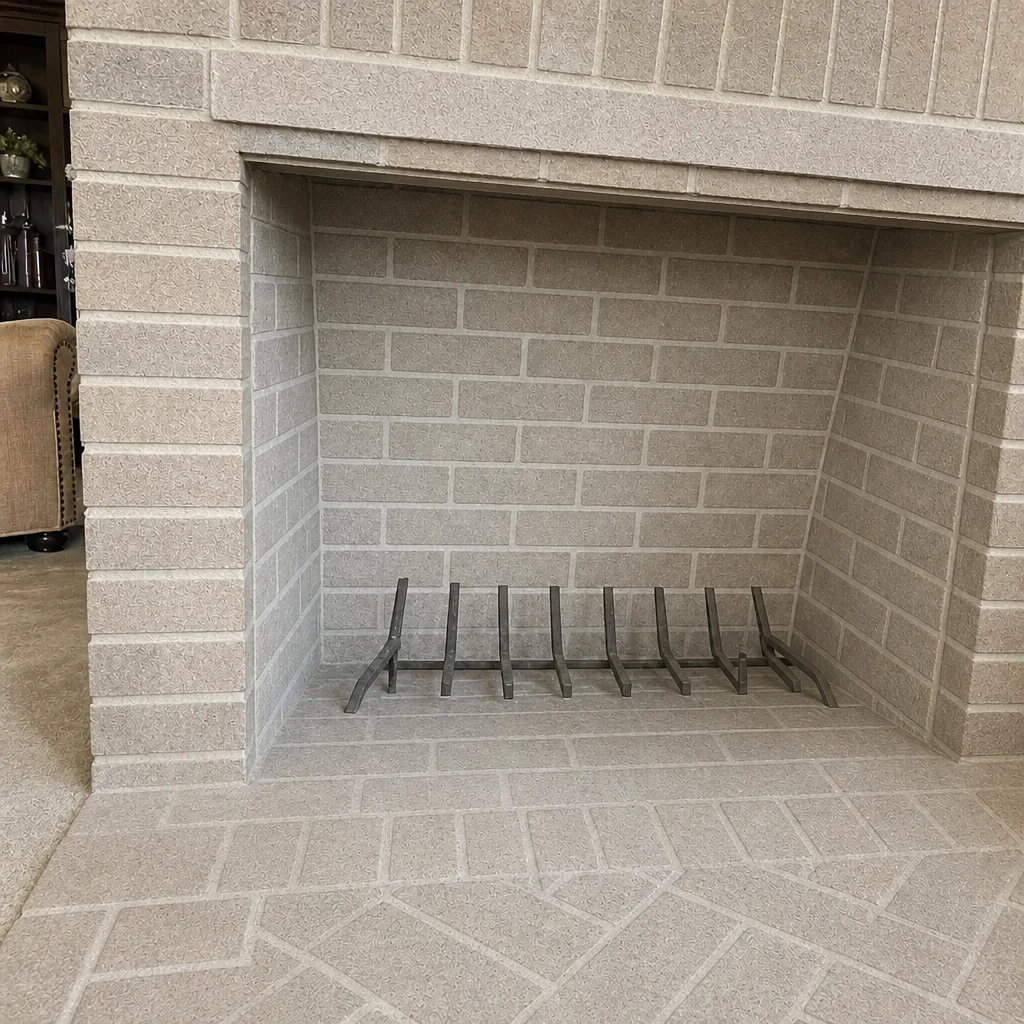
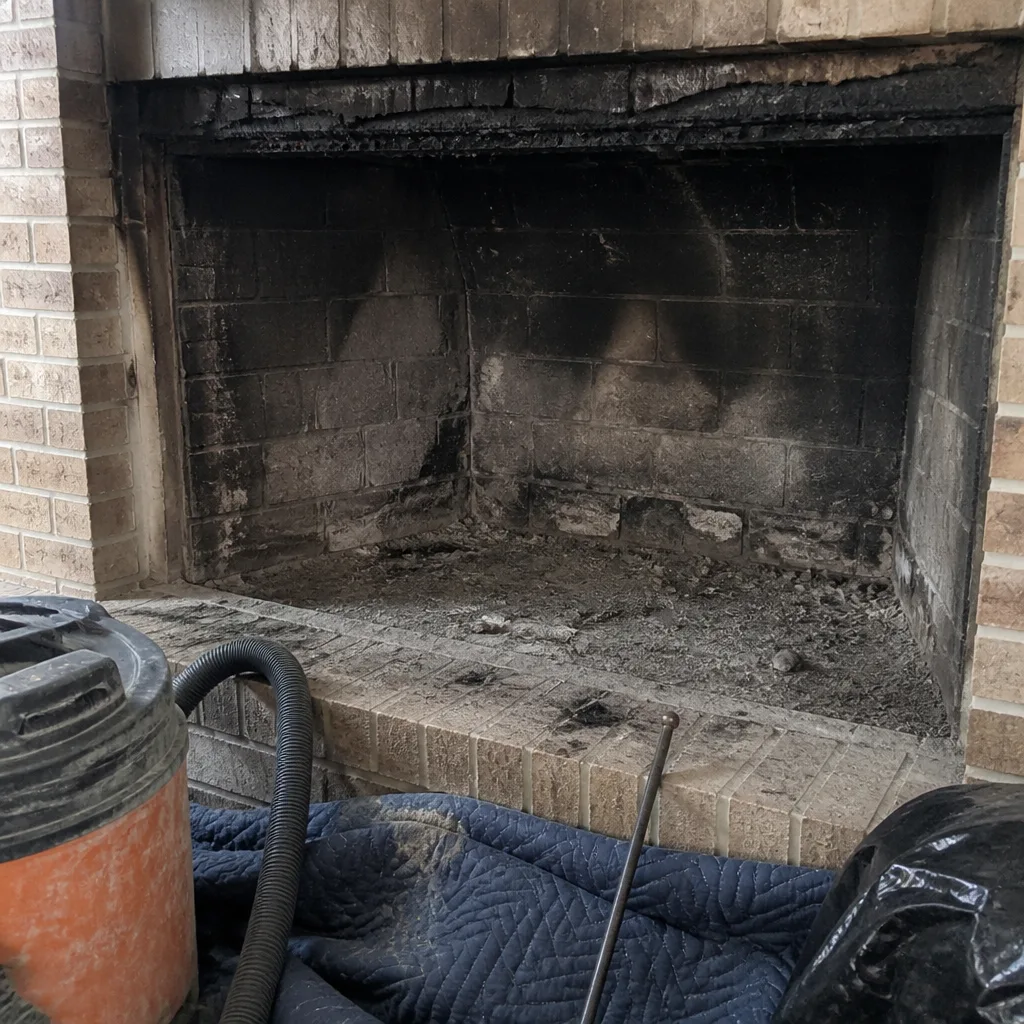
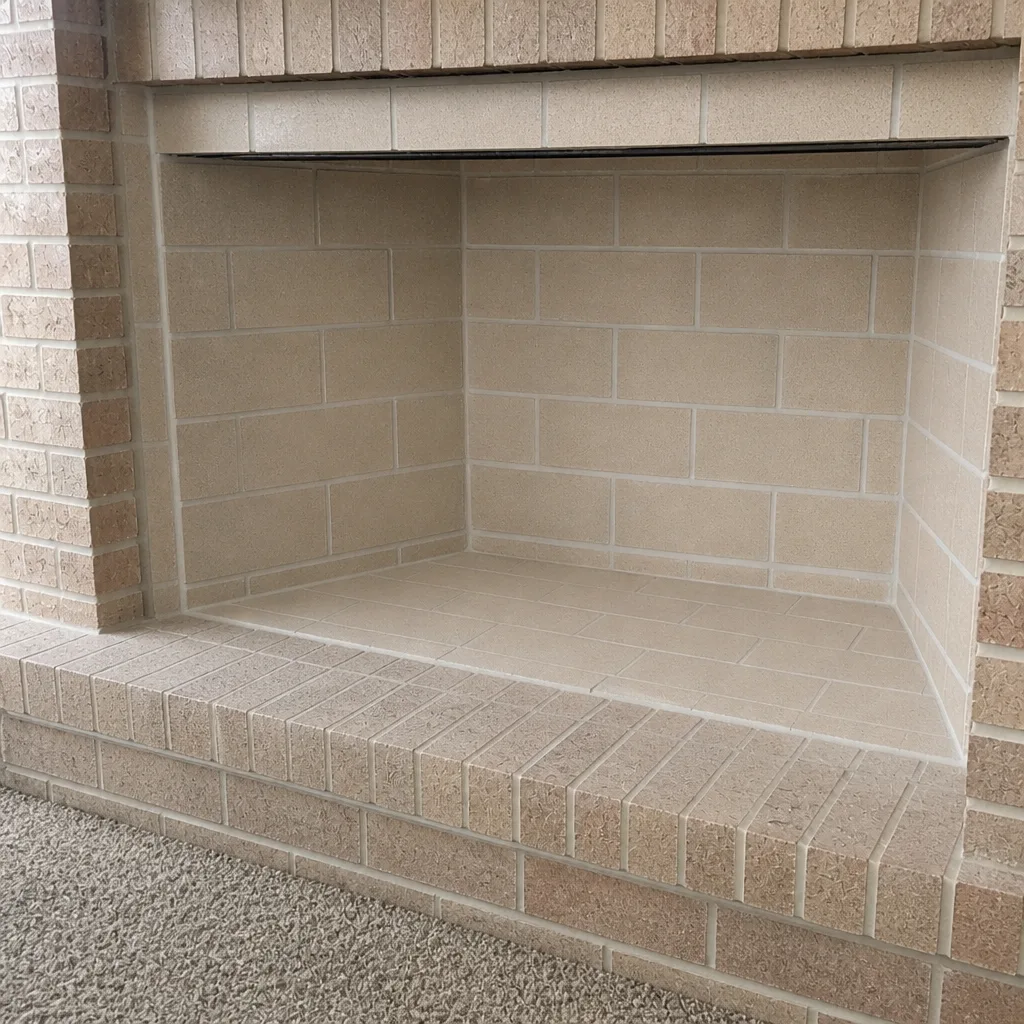
See the difference
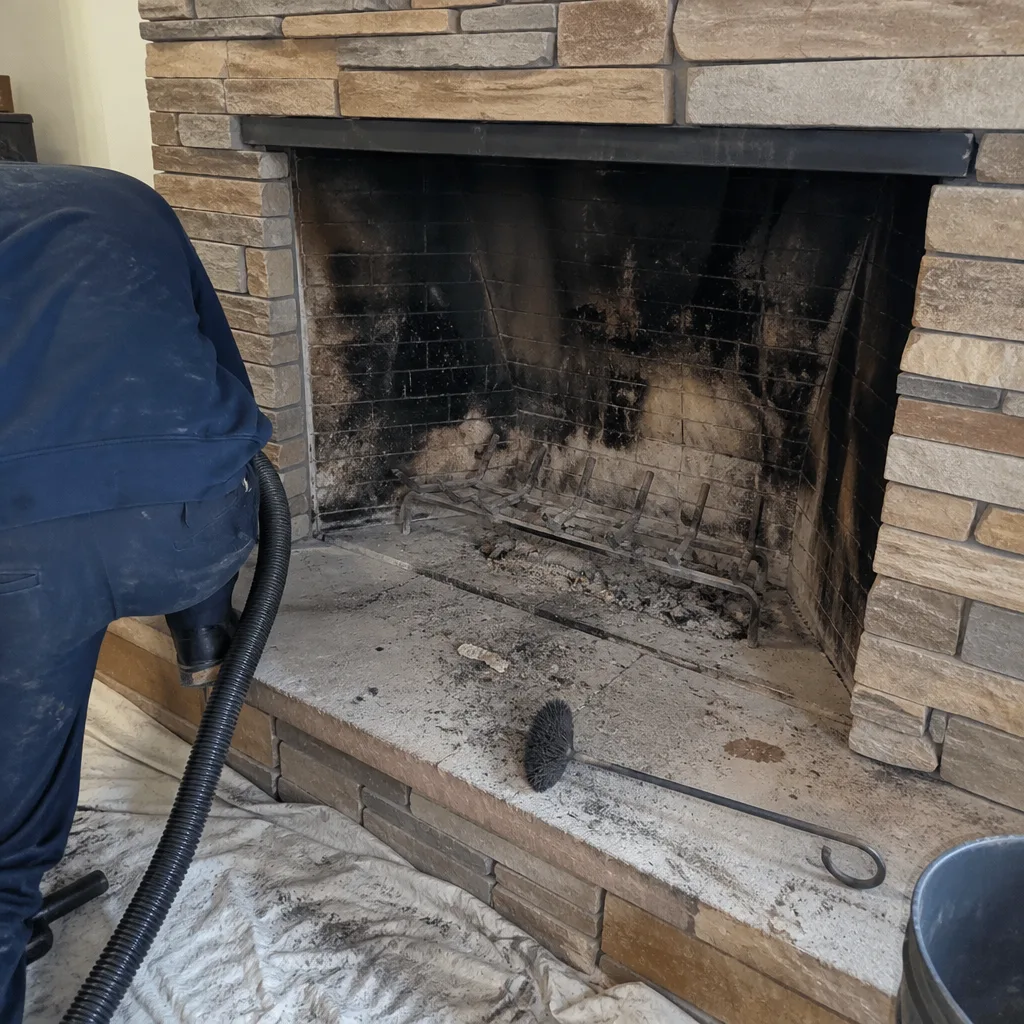 Before
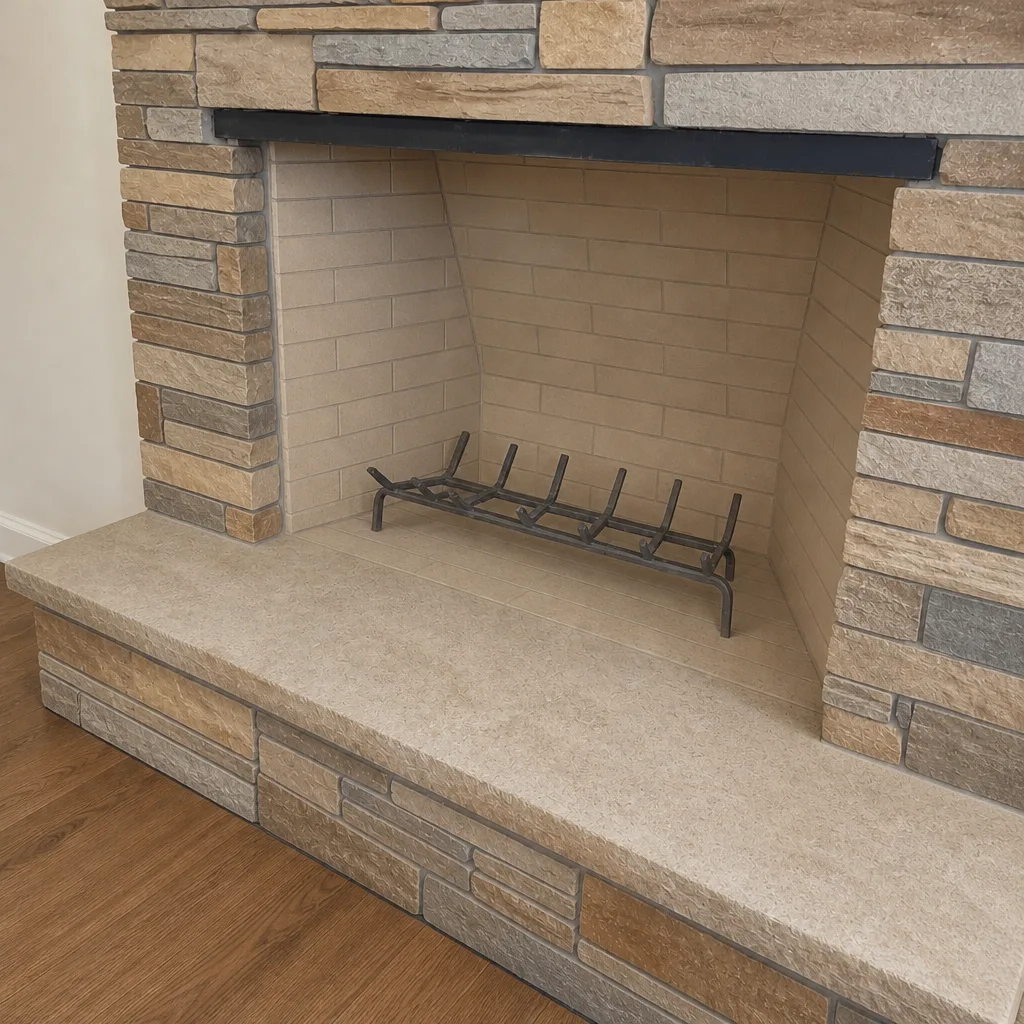 After
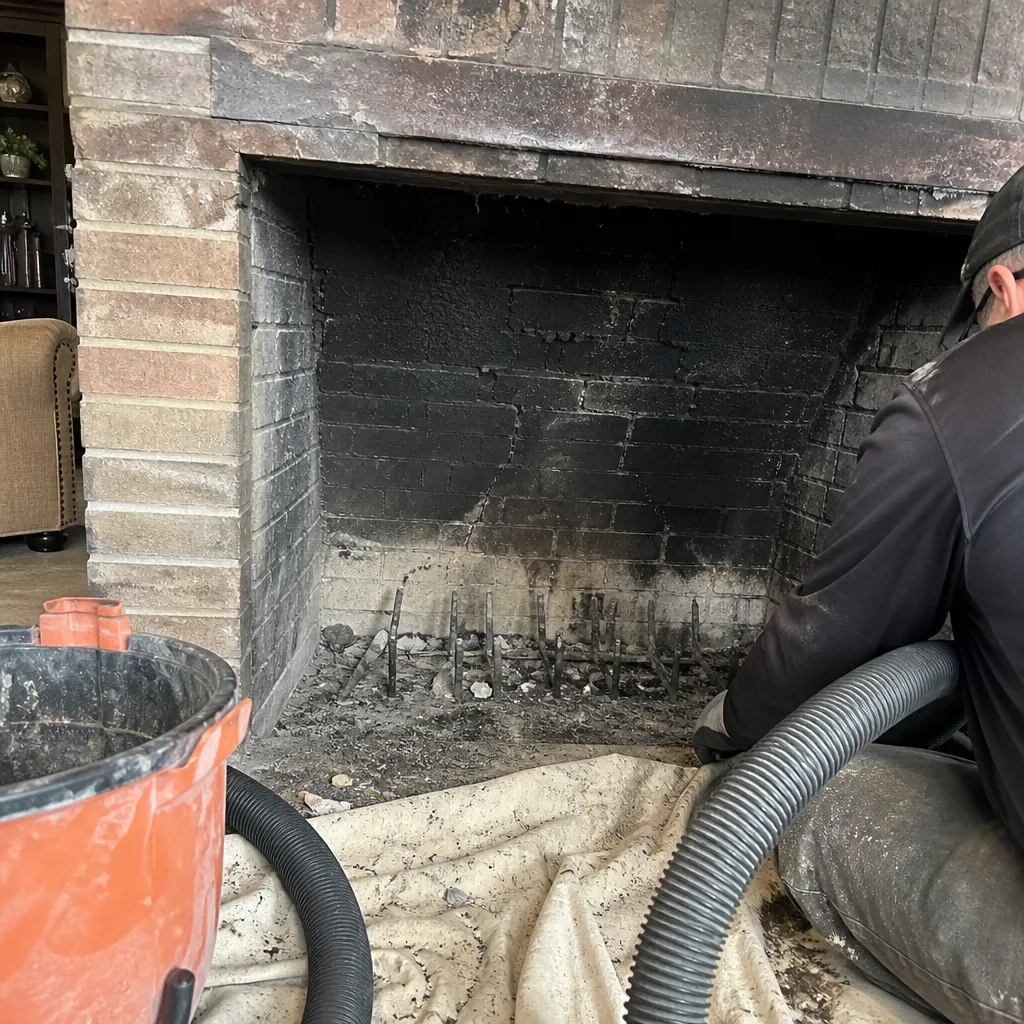 Before
 After
 Before
 After
When to Call a Professional
Call a qualified chimney professional before you light the first fire of the season if you haven’t had the system inspected in more than a year. Call if you’re buying or selling a home in Highlands Ranch and the chimney hasn’t been through a Level 2 inspection. Call if you’ve noticed cracked masonry, a loose cap, water stains on the ceiling near the chimney chase, or a smell of smoke in the house when the fireplace isn’t burning. Call if you’re planning a liner replacement, an insert, or a wood stove and want to know whether the job requires a permit before you commit.
Chimney Sweep Highlands Ranch offers free estimates in Highlands Ranch – call (855) 550-7361. We answer 24/7. Fast dispatch from 7am to 7pm, Sunday through Friday. We work with Copperfield, DuraFlex, HeatShield, and Gelco components, and we’ll tell you directly when a repair is not yet urgent.
Frequently Asked Questions
No. Routine chimney cleaning in Highlands Ranch does not require a permit from Douglas County. Permits apply to structural and appliance-level work such as liner replacement, chimney rebuilds, and wood stove or insert installation. Call (855) 550-7361 for an exact quote – estimates are free.
In most Colorado jurisdictions, yes. A liner replacement is part of the venting system and affects NFPA 211 clearances, so Douglas County generally requires a permit and a code inspection for the work. If your contractor suggests skipping the permit, ask why in writing. Call (855) 550-7361 to schedule a pre-work inspection – estimates are free.
A Level 1 inspection is a visual check of accessible portions of the system and is standard for annual maintenance. A Level 2 inspection adds a video or camera inspection of the flue interior plus accessible attic and crawlspace areas, and is standard for real estate transactions. Both are defined under NFPA 211. Call (855) 550-7361 if you’re not sure which level your home needs – estimates are free.
It can. If the buyer’s inspector finds a liner replacement or appliance installation with no matching county permit, the buyer’s agent will often ask for documentation or corrections before closing. Having an NFPA 211 inspection done before the listing sidesteps the issue; call (855) 550-7361 to schedule one. Estimates are free.
No. The Douglas County Building Division only inspects work that was permitted. For a general safety evaluation of the chimney system, you hire a private chimney professional who performs inspections under NFPA 211. Call (855) 550-7361 to schedule a private inspection – estimates are free.
The only reliable way is a professional inspection that checks clearances, liner conditions, appliance connector requirements, and termination height against NFPA 211. You can’t confirm compliance from the outside of the chimney. Call (855) 550-7361 for an inspection-first assessment – estimates are free.
Chimney fire damage and water intrusion from a failed cap or crown are the two categories most often raised with insurers after an inspection finds a problem. Whether a specific loss is covered depends on your policy and the cause. We can work with your insurer on documentation, and the inspection report gives you something concrete to send. Call (855) 550-7361 with questions – estimates are free.
Yes. At Chimney Sweep Highlands Ranch, inspection is a standalone service, not a mandatory add-on to a cleaning. That’s deliberate. Call (855) 550-7361 to book just an inspection – the estimate is free, and we’ll tell you plainly if a cleaning or repair can safely wait.
The Bottom Line
Chimney cleaning in Highlands Ranch doesn’t need a permit. Liner replacement, structural rebuilds, and appliance conversions usually do, and the reason is straightforward: those jobs change the system in ways the code was written to manage. Douglas County enforces the IRC, NFPA 211 governs how the work should hold up, and the paper trail from a proper permit and inspection is the thing that protects you when the house is inspected. If you’re uncertain about your system, get an inspection first. When a repair isn’t urgent, we’ll say so. When it is, we’ll tell you what needs to happen and why.
Chimney Sweep Highlands Ranch provides sweeping, inspection, fireplace repair, chimney repair, and cap and crown work in Highlands Ranch and the surrounding area. Our technicians have up to 12 years of experience, and we use professional-grade components from Copperfield, DuraFlex, HeatShield, and Gelco. Call (855) 550-7361 for a free estimate. We answer 24/7. Fast dispatch from 7am to 7pm, Sunday through Friday.
Written by the team at Chimney Sweep Highlands Ranch.