
Last updated November 25, 2026
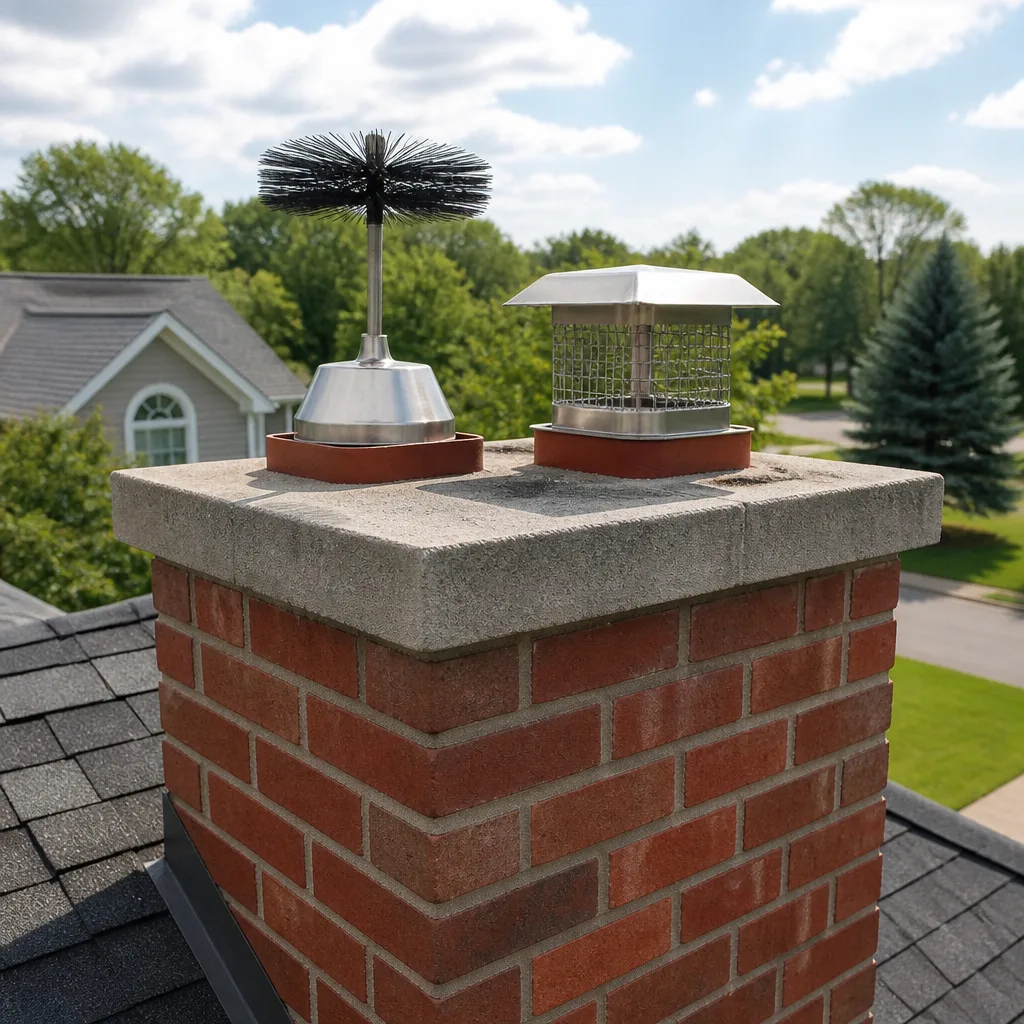 Sweep & inspection
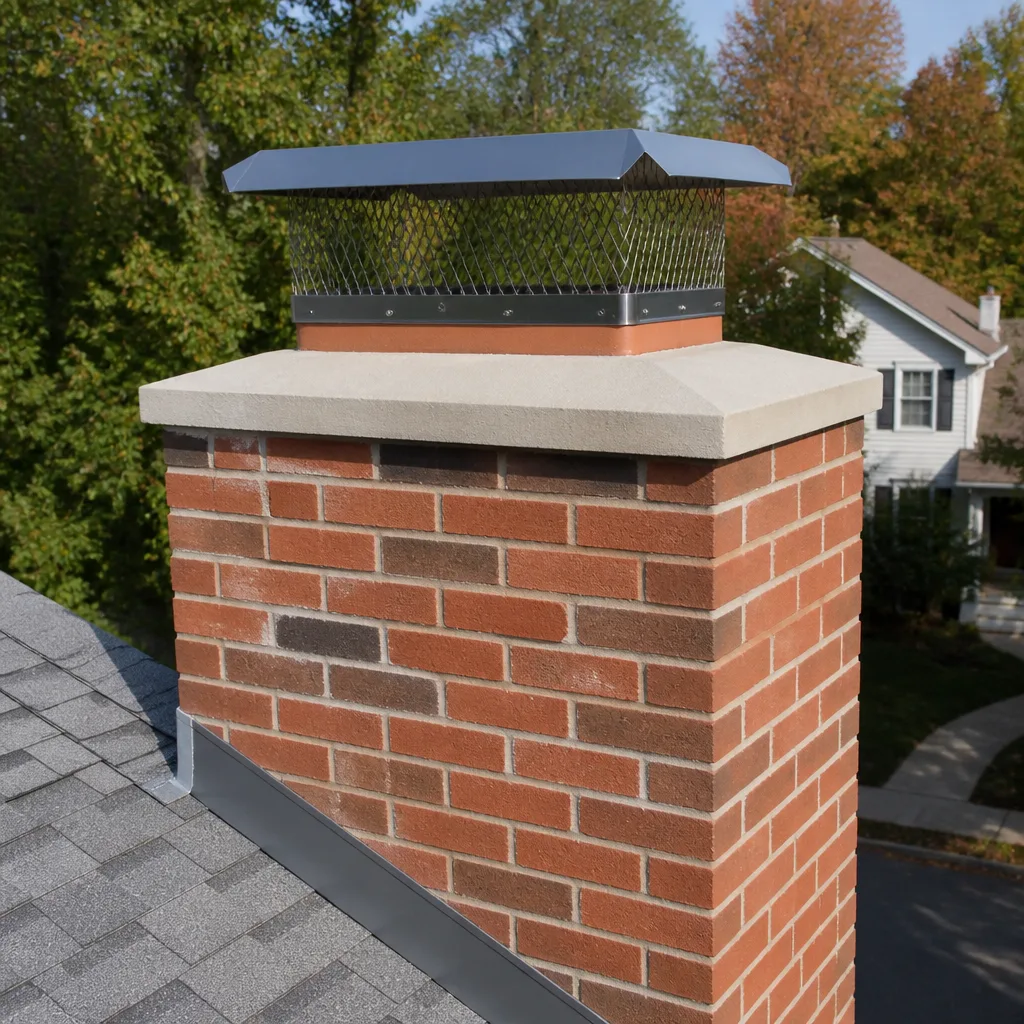 Caps & crowns
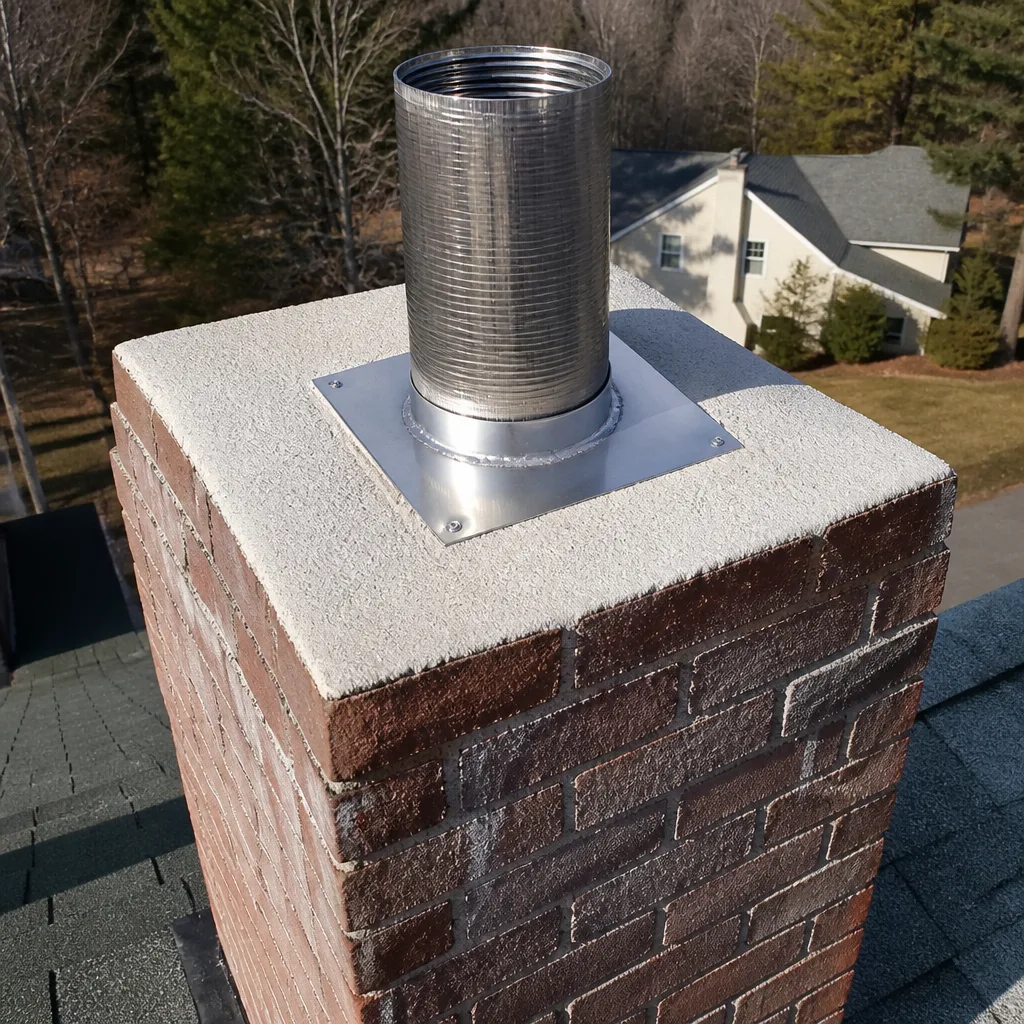 Flue relining
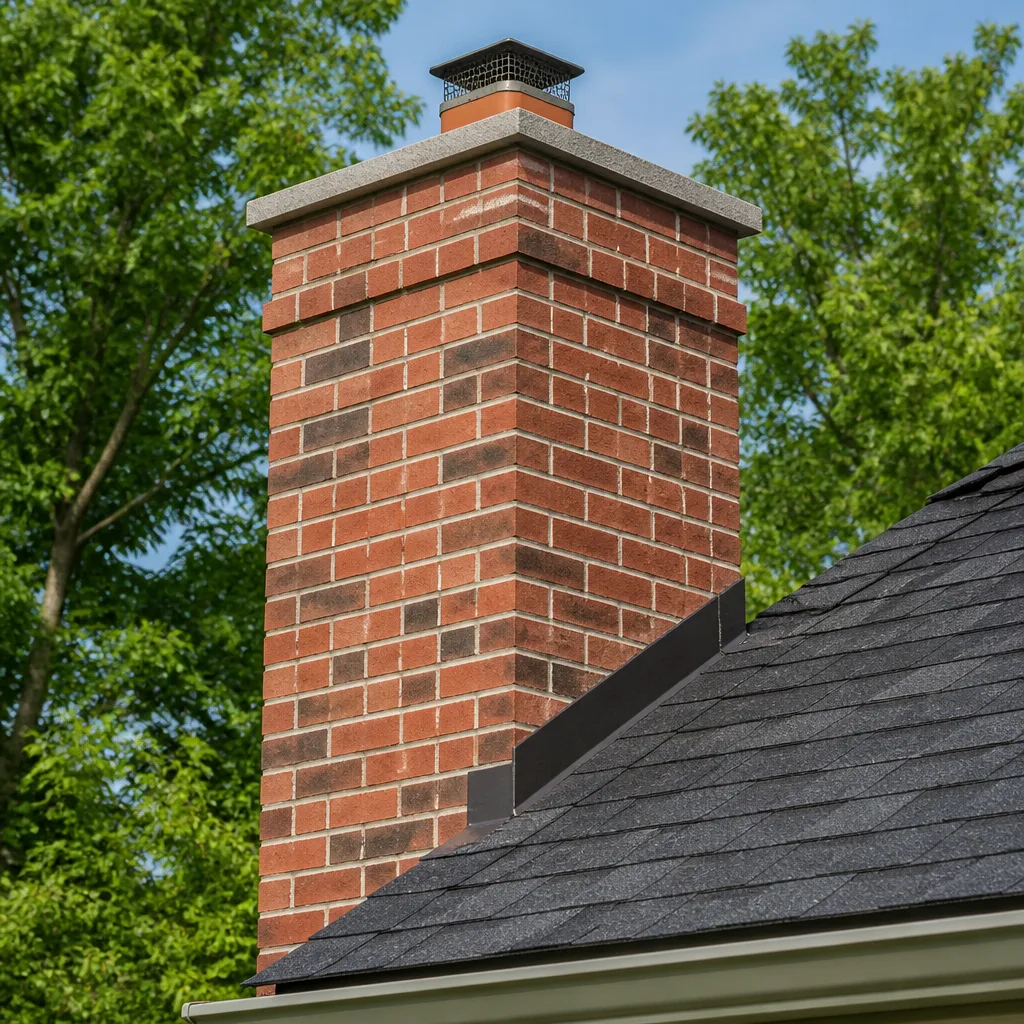 Masonry repair
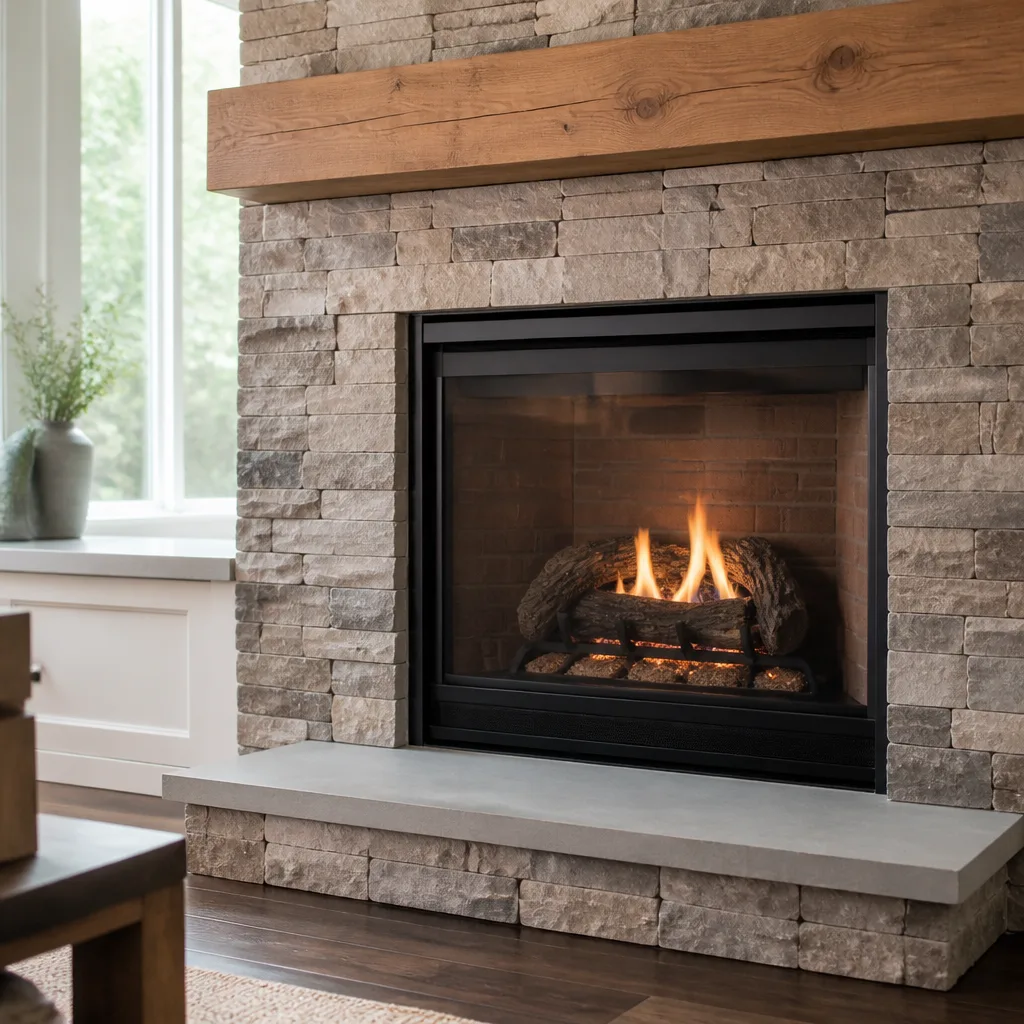 Gas fireplace service
Level 1 sweep and inspection to the NFPA 211 annual standard - flue, crown, cap, and flashing checked and photographed
Chimney sweep logs do not sweep chimneys. They loosen some creosote - which then falls where a brush and vacuum still have to collect it.
Chimney Cleaning Warning Signs: A Highlands Ranch Homeowner’s Reference Guide
Most homeowners look for chimney problems in the wrong place. They check the firebox, see ash, and figure everything’s fine. But the warning signs that matter most often show up somewhere else entirely: a faint brown stain on a ceiling two rooms over, a strong campfire smell in your living room on a hot July afternoon with no fire burning, or a patch of white powder on the brick outside that looks cosmetic but is telling you water is already inside the masonry. This guide maps each symptom back to the component that actually causes it, so you can describe what you’re seeing accurately and get the right diagnosis the first time. We’ll cover what’s urgent, what can wait, and what each sign means for your home in Highlands Ranch.
Quick Answer
The most important chimney cleaning warning signs are: a strong smoky or creosote odor when no fire is burning, dark staining on interior walls or ceilings near the chimney, white efflorescence on exterior brick, rust or cracking inside the firebox, and visible smoke escaping from the crown or mortar joints. Any of these points to a specific component failure, not just a dirty flue. Signs involving active smoke from the crown, flame rollout, or sudden draft reversal need immediate attention; others can be evaluated at your next scheduled inspection.
Styles & brands we work with
- Sweep & inspection
- Caps & crowns
- Flue relining
- Masonry repair
- Gas fireplace service
Table of Contents
- Symptom-to-Component Mapping: What Each Sign Actually Means
- White Efflorescence on Brick: Why It’s a Water Intrusion Signal
- Draft Problems: Pressure Dynamics vs. Physical Obstruction
- Firebox Warning Signs That Go Beyond Cleaning
- Urgent vs. Can-Wait: Sorting Your Warning Signs
- Creosote Buildup: The Warning Sign You Can’t See
- When to Schedule an Inspection in Highlands Ranch
- Common Mistakes to Avoid
Symptom-to-Component Mapping: What Each Sign Actually Means
Your chimney is a system, and every component affects fire safety and efficiency. When something goes wrong, the symptom often appears on a surface that isn’t the source. A stain on a ceiling doesn’t mean the ceiling is the problem; it means water or creosote has traveled from the chimney through the building envelope. Knowing which component is responsible helps you describe the issue accurately when you call.
Here’s how the most common symptoms map to their actual sources:
- Strong smoky odor when no fire is burning (especially in warm weather): Creosote off-gassing through a deteriorating smoke chamber. The smoke chamber is the transition zone between the firebox and the flue, and when its parging breaks down, it becomes porous and releases accumulated creosote vapors back into the living space.
- Dark staining on walls or ceiling near the chimney: Creosote or water penetrating through cracked masonry or a failing liner. If the stain is brownish and oily, it’s likely creosote; if it’s yellowish or rings like a watermark, it’s water intrusion.
- White efflorescence on exterior brick: Water intrusion into the masonry. When water moves through brick and evaporates on the surface, it leaves behind mineral deposits that look like white powder. This signals that moisture is actively penetrating, not just sitting on the outside.
- Rust on the damper plate or firebox components: Moisture in the chimney system, typically from a failed crown, missing cap, or cracked flashing. Rust on a damper is a reliable indicator that water has been entering the firebox.
- Smoke rolling back into the room when the fire is lit: Damper failure, flue obstruction, or pressure imbalance. The damper may be stuck partially closed, or the flue may be blocked by creosote, debris, or a collapsed liner section.
- Visible smoke from the crown or mortar joints (not the flue opening): Active fire in the chimney structure or severe cracking that allows smoke to escape through the masonry itself. This is an emergency.
- Spalling firebrick or cracked refractory panels: Thermal stress or moisture damage to the firebox itself. The firebox is due for repair, not just cleaning.
- Sudden draft reversal or flame rollout: Pressure dynamics, a blocked flue, or a failing liner. Flame rollout (flames spilling out of the firebox opening) indicates the chimney is not venting properly and needs immediate attention.
In our experience serving Highlands Ranch, the two most commonly misread signs are the summer odor (often mistaken for a draft problem) and efflorescence (often dismissed as cosmetic). Both point to structural issues that worsen over time. We’ve seen homeowners call about a “smoky smell” when the actual problem was a crumbling smoke chamber that needed HeatShield resurfacing, not a sweep.
White Efflorescence on Brick: Why It’s a Water Intrusion Signal
White efflorescence on chimney brick is not a cosmetic issue. It’s evidence that water is moving through the masonry and evaporating on the surface, leaving mineral salts behind. That means moisture is already inside the brick and mortar, and it’s been there long enough to dissolve and deposit minerals. The powder you see is just the visible part of a process that’s happening below the surface.
What makes efflorescence serious is what it indicates about the masonry beneath. Water inside brick expands when it freezes, and in Highlands Ranch, freeze-thaw cycles are a regular part of winter. Each cycle pushes the brick closer to spalling (where the face of the brick flakes off) and the mortar closer to crumbling. Left unaddressed, this leads to structural deterioration that’s far more expensive to repair than the crown or flashing issue that started it.
The most common sources of water intrusion into a chimney in Highlands Ranch are:
- A cracked or deteriorated crown. The crown is the concrete cap at the top of the chimney that sheds water away from the masonry. When it cracks, water flows directly into the chimney structure.
- Failed flashing at the roof line. Flashing is the metal seal where the chimney meets the roof. When it pulls away or corrodes, water runs down the chimney face and into the attic or ceiling.
- A missing or damaged chimney cap. The cap covers the flue opening to keep rain and animals out. Without it, water enters the flue directly.
- Porous or cracked brick. Older masonry absorbs water like a sponge. Once saturated, it feeds efflorescence and accelerates freeze-thaw damage.
We address cap and crown issues as part of the full-system work we do because these two components are among the leading causes of water intrusion damage. If you’re seeing efflorescence on your chimney in Highlands Ranch, the right first step is an inspection to identify the source of the moisture, not a surface treatment to hide the evidence.
Draft Problems: Pressure Dynamics vs. Physical Obstruction
Not every draft problem is a chimney problem. Some are air pressure problems that have nothing to do with how clean your flue is. Distinguishing between the two matters because the solutions are completely different.
Pressure-dynamic draft problems happen when the air pressure inside your home is off-balance. Modern homes in Highlands Ranch are built tighter than older houses, which means less natural air infiltration. When exhaust fans (kitchen hood, bathroom fans, clothes dryer) pull air out of the house, they create negative pressure that can overcome the chimney’s natural draft. Competing exhaust systems, high-efficiency furnaces, or recent insulation and air-sealing upgrades can all contribute.
Signs your draft problem is pressure-related:
- The chimney drafts fine when no exhaust fans are running, but backdrafts when they are
- The problem is worse on windy days or in certain rooms of the house
- The fire burns well once it’s going, but smoke rolls back during startup
- The problem started after a remodel, insulation upgrade, or new furnace installation
Physical obstruction or liner damage causes draft problems that are consistent and typically worsen over time. If the flue is partially blocked by creosote, debris, a bird nest, or a collapsed liner section, no amount of pressure balancing will fix it.
Signs your draft problem is obstruction-related:
- Smoke rolls back every time, regardless of fans or weather
- You notice a decrease in draft that’s gotten worse over the season
- Visible debris or damage inside the flue opening
- The fire is hard to start and smoky once it’s burning
When we inspect chimney systems in Highlands Ranch, we look at both possibilities. A camera inspection shows whether the flue is physically clear; observing how the chimney performs under different conditions helps us understand whether pressure dynamics are part of the picture. That’s why a diagnostic-first approach matters: treating a pressure problem with a cleaning won’t solve it, and treating an obstruction with a pressure-balancing strategy won’t solve it either.
Firebox Warning Signs That Go Beyond Cleaning
Your firebox takes the most direct heat of any part of the system, and it shows wear in ways that a cleaning can’t address. If you see any of the following signs, the firebox is due for repair work, not just a sweep.
- Spalling firebrick: Firebrick that’s flaking, crumbling, or losing its face is no longer able to handle the heat it’s exposed to. Once the face of the brick goes, the brick behind it is vulnerable.
- Cracked refractory panels: Refractory panels (the brick-like lining in prefabricated fireboxes) can crack from thermal stress. A hairline crack is worth watching; a crack you can fit a coin into means the panel needs replacement.
- Rust on the damper plate: A rusty damper is a water problem, not a cleaning problem. Water in the firebox will eventually find its way to other components, so the source needs to be identified.
- Crumbling mortar joints in the firebox: The mortar between firebrick is the first thing to break down if the firebox is running too hot or has been exposed to moisture.
- Gaps or openings between the firebox and the surround: This is a fire safety concern because it can allow heat into the framing behind the fireplace.
A standard sweep cleans the flue and removes creosote. It doesn’t fix damaged firebrick, rebuild a firebox, or restore refractory panels. When we see firebox damage during an inspection, we treat it as fireplace repair work, not a cleaning job. For a closer look at what structural firebox issues involve, see our fireplace repair page.
The firebox isn’t the only place where a cleaning falls short. Smoke chamber deterioration, liner cracks, and crown damage all require diagnostic work and, often, structural repair. For an overview of the repair side of chimney care, our chimney repair page covers what those fixes involve.
Urgent vs. Can-Wait: Sorting Your Warning Signs
Sorting a symptom into “act now” or “schedule at the next inspection” is the difference between a fast phone call and days of uncertainty about whether your home is safe. Some warning signs are time-sensitive because they indicate conditions that can lead to a chimney fire or structural collapse. Others are important but don’t require immediate action.
Time-sensitive signs that need prompt attention:
- Visible smoke coming from the crown or mortar joints (not the flue opening). This suggests fire inside the chimney structure or severe cracking that allows smoke to escape through the masonry. Both are hazardous.
- Flame rollout: Flames spilling out of the firebox opening when the fire is burning. This means the chimney is not venting properly and the fire is dangerous to operate.
- Sudden draft reversal: A chimney that was drafting fine and suddenly reverses can indicate a new obstruction or a structural issue in the flue.
- Strong smoke smell in the house when no fire is burning and windows are closed: This can indicate a blocked flue or a cracked liner that’s allowing flue gases to enter the living space.
- Visible damage to the chimney after a storm or earthquake: Cracks in the masonry, a displaced cap, or visible leaning in the chimney.
Signs that can be evaluated at your next scheduled inspection:
- White efflorescence on the exterior brick: This indicates water intrusion, but it’s not an immediate safety hazard. It should be diagnosed and addressed, just not as an emergency.
- Faint creosote odor in warm weather: Off-gassing means the smoke chamber or liner needs attention, but in most cases, it’s not a same-day emergency.
- Minor staining on the exterior chase: Water staining that hasn’t reached the interior is worth investigating, but a minor stain isn’t a crisis.
- Slight smoke odor in the firebox area: Some residual smoky odor is normal after fires. Persistent, strong odor warrants an inspection.
- Small cracks in the firebox refractory panels: Hairline cracks should be watched. Significant cracks require repair, and the timing should fit your schedule.
The distinction matters because it helps you decide whether to call now or add it to your list for the season. If you’re in Highlands Ranch and you’re unsure which category a sign falls into, describe what you’re seeing to a technician. The safest approach is to have someone who works with chimneys every day evaluate whether the sign belongs in the “urgent” or “can wait” column.
Creosote Buildup: The Warning Sign You Can’t See
Creosote is the most dangerous warning sign because you usually can’t see it. It accumulates inside the flue as a byproduct of incomplete combustion, and it comes in three forms with very different risk profiles.
- First-degree creosote: Sooty, powdery, and relatively easy to brush away. This is the most common form and the least immediately dangerous.
- Second-degree creosote: Flakey, brittle, and harder to remove. It contains more concentrated fuel content and can ignite under the right conditions.
- Third-degree creosote: Glazed, hardened, and highly flammable. This is the form associated with chimney fires. It’s difficult to remove with standard brushes and often requires specialized cleaning.
A standard sweep removes first-degree creosote and, with effort, most second-degree creosote. Third-degree glazed creosote may need mechanical agitation or chemical treatment before it can be brushed out. If it’s present, it’s a sign the chimney has been operating with poor draft or burning unseasoned wood, and the cause needs to be addressed along with the removal.
The warning sign isn’t the creosote itself (you can’t see it); it’s the conditions that lead to it. Burning wet or unseasoned wood, running the fire cold and smoky, or letting the flue get too cool all contribute. In Highlands Ranch, we see more creosote problems in chimneys that are used as supplemental heat sources with fires that smolder rather than burn hot. A properly burning fire produces less creosote; a smoldering one produces plenty.
Since the creosote level inside the flue isn’t something you can check visually from the hearth, an inspection is the only way to know what’s there. A camera inspection shows the condition of the flue from the firebox to the top, and it gives you a way to see what the technician sees. For homeowners who want to understand what routine flue cleaning actually involves, our chimney sweep page covers the process in detail.
When to Schedule an Inspection in Highlands Ranch
In Highlands Ranch, the best time to schedule a chimney inspection is before burning season starts. Fall is when most homeowners discover problems, and the schedule fills up quickly. A spring or summer inspection catches issues when the chimney isn’t in use and repairs can be completed without affecting your burning season.
An inspection is offered as a standalone service, not as an upsell attached to cleaning. That means you can book an inspection to evaluate a specific concern without committing to a sweep, or you can book a sweep and ask for an inspection on the same visit if something looks off. An inspection first so you know exactly what you’re paying for and why.
Some situations call for an inspection outside the usual seasonal schedule:
- After a chimney fire. Even a small fire can damage the liner and the chimney structure. An inspection is the only way to know the extent.
- Before burning season if the chimney hasn’t been inspected in a while. If it’s been a few years since the last look, the condition of the liner and smoke chamber are unknown.
- After any event that might have damaged the chimney. A storm, a nearby construction project, or a masonry crack that appeared suddenly are all triggers.
- Before buying a home in Highlands Ranch. A chimney inspection gives you a clear picture of what you’re taking on.
- When you notice any of the warning signs in this guide.
Our technicians have up to 12 years of experience with the systems we service, and we work with brands like DuraFlex and Olympia Chimney for liner components and HeatShield for ceramic flue resurfacing. Those aren’t consumer retail parts; they’re what chimney professionals specify. The reason we mention them here is that the brand of the repair materials matters when you’re diagnosing a liner or flue problem. A cheap liner that fails in a few years can leave you right back where you started.
Common Mistakes to Avoid
- Assuming a clean sweep means a safe chimney. A sweep removes creosote, but it doesn’t fix a cracked liner, a deteriorating smoke chamber, or a failed crown. If you’ve never had an inspection, cleaning without one leaves the condition of the flue unknown.
- Treating efflorescence as cosmetic. White powder on the brick looks like a surface issue, but it means water is already inside the masonry. Painting over it traps the moisture and accelerates the damage.
- Burning unseasoned wood to save a few dollars. Green wood produces more creosote and runs colder. The savings on the wood disappear when you’re paying to remove glazed creosote.
- Ignoring a summer chimney smell because you’re not using the fireplace. The smell means creosote vapors are entering the living space. The fact that there’s no fire doesn’t change the structural issue that’s causing it.
- Waiting until fall to book an inspection. Highland Ranch homeowners tend to think about the chimney when the first cold snap hits. At that point, the schedule is crowded and the urgency is higher.
- Trying to evaluate a draft problem without checking for obstruction. Pressure dynamics and physical blockage both cause draft issues, and the fixes are completely different. Guessing wastes time and often makes the problem worse.
- Skipping the camera inspection. If you can’t see the flue, you’re guessing at what’s in it. A camera inspection shows you the actual condition, and that’s what makes the report useful.
See the difference
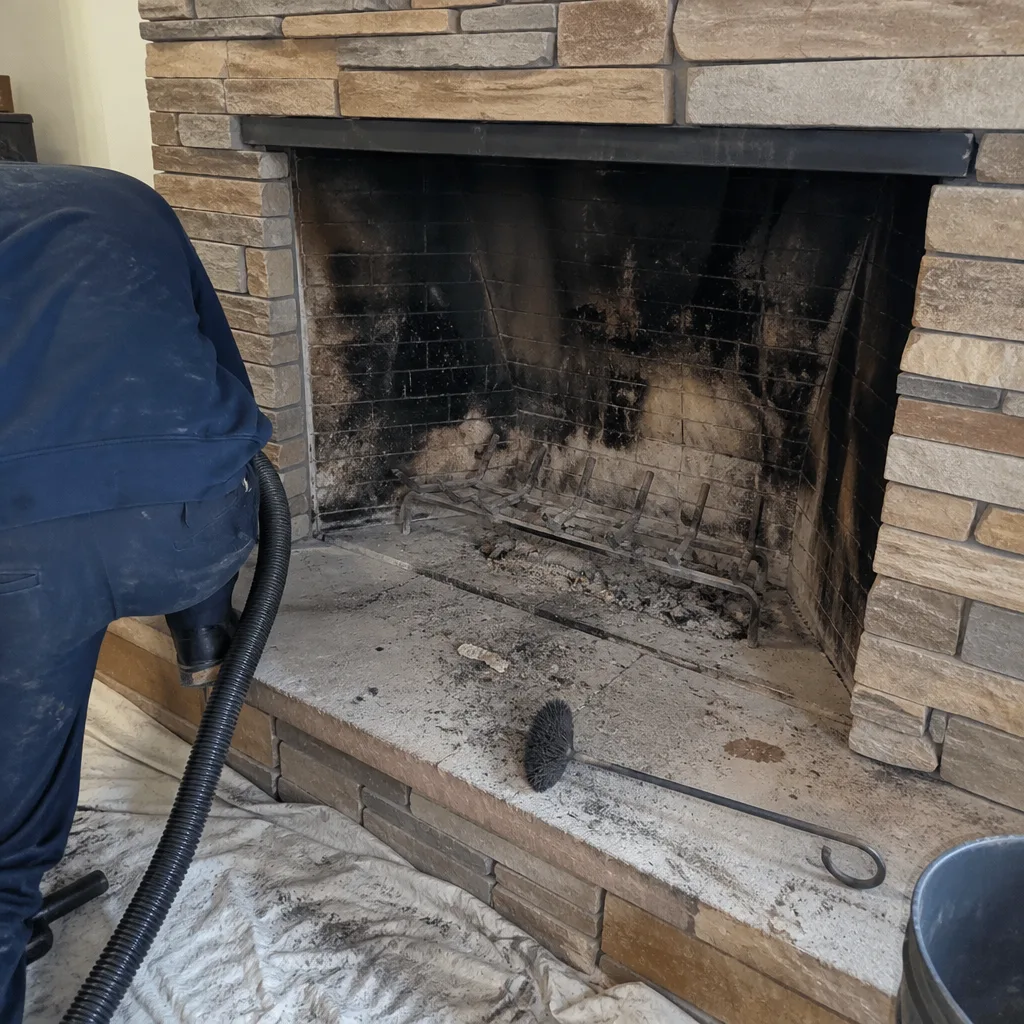 Before
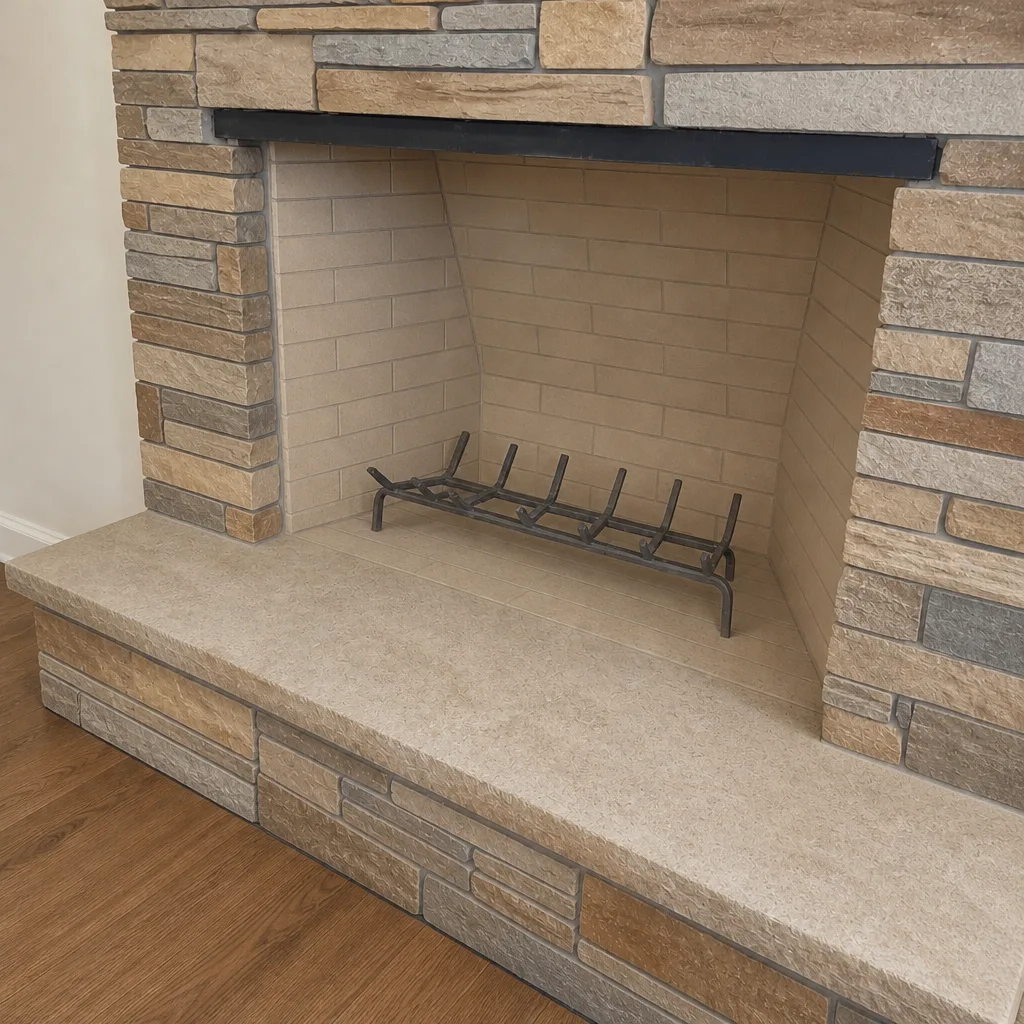 After
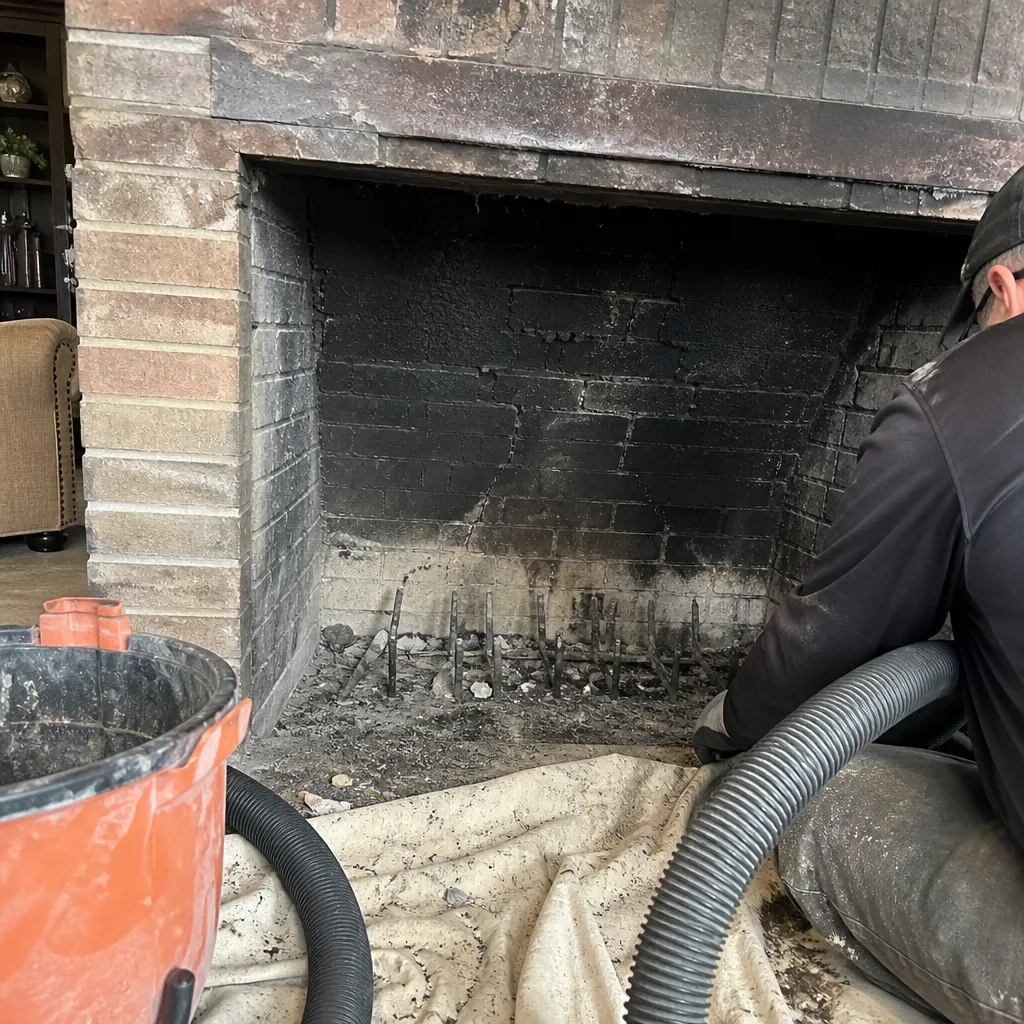 Before
 After
 Before
 After
When to Call a Professional
Call a professional if you’re seeing any of the time-sensitive signs: smoke coming from the crown or mortar joints, flame rollout, sudden draft reversal, or a strong smoke smell in the house with no fire burning. Call if you’ve noticed efflorescence on the brick and want to identify the source of the moisture. Call if the firebox has spalling brick or cracked refractory panels, or if the damper plate is rusty. Call if it’s been more than a season since the last inspection and you don’t know the condition of the liner. And call if you’re not sure whether what you’re seeing is normal; describing a symptom accurately to someone who works on chimneys every day is the fastest way to know whether you need to act now or can wait.
Chimney Sweep Highlands Ranch offers free estimates in Highlands Ranch. Call (855) 550-7361. We answer 24/7. Fast dispatch from 7am to 7pm, Sunday through Friday.
Frequently Asked Questions
The summer chimney smell is the sign most people miss. A strong smoky or campfire odor in the living room when no fire is burning usually comes from creosote off-gassing through a deteriorating smoke chamber. It’s an indicator of a structural issue, not a draft quirk, and it’s worth having checked before burning season. Call (855) 550-7361 for an exact quote on an inspection, estimates are free.
Yes, it usually means water is moving through the masonry. Efflorescence is the visible deposit left behind when water evaporates from brick, and it indicates active moisture intrusion. The source is typically a cracked crown, failed flashing, or a missing cap, and the masonry beneath the surface is at risk of freeze-thaw damage. An inspection identifies the source.
A pressure problem usually comes and goes based on exhaust fans, wind, and recent air-sealing work, while an obstruction causes consistent backdrafting regardless of conditions. If smoke rolls back every time you light a fire, suspect an obstruction or liner damage. If it happens only when the kitchen hood is on, suspect pressure. A camera inspection answers the question directly. Call (855) 550-7361.
You can brush a flue, but you can’t evaluate what you’re looking at without training and a camera. The conditions that cause chimney fires, such as cracked liners, glazed creosote, and smoke chamber deterioration, aren’t visible from the firebox. An inspection is the only way to know whether the chimney is safe to use. Call (855) 550-7361 to book one.
Most chimneys need cleaning once a year with regular use, but the right interval depends on how much you burn and what you burn. A chimney used as home heat needs more frequent attention than one used on occasional cold nights. The best approach is to have the flue inspected and then base the cleaning schedule on what’s actually in the flue. Schedule an inspection before burning season.
We’re closed on Saturday, but you can call and we’ll book you into the next opening. We’re open Sunday through Friday, 7am to 7pm, and we answer the phone 24/7. If the sign is smoke from the crown, flame rollout, or sudden draft reversal, don’t use the fireplace until it’s been evaluated. Call (855) 550-7361.
The Bottom Line
Chimney warning signs show up on the wrong surface more often than not. The stain is on the ceiling, the smell is in the summer air, the white powder is on the exterior brick. What matters is mapping the symptom back to the component that caused it, then knowing whether it’s urgent or something to schedule. The key points: efflorescence means water intrusion, summer smell means smoke chamber deterioration, rust means moisture, draft problems split between pressure and obstruction, and firebox damage needs repair, not cleaning. If you’re seeing any of these signs in Highlands Ranch, call (855) 550-7361 for a free estimate. We answer 24/7, and fast dispatch runs 7am to 7pm, Sunday through Friday. Not sure your home is in our service area? Start at Chimney Sweep Highlands Ranch for a full system check.
Written by the team at Chimney Sweep Highlands Ranch.