
Last updated November 25, 2026
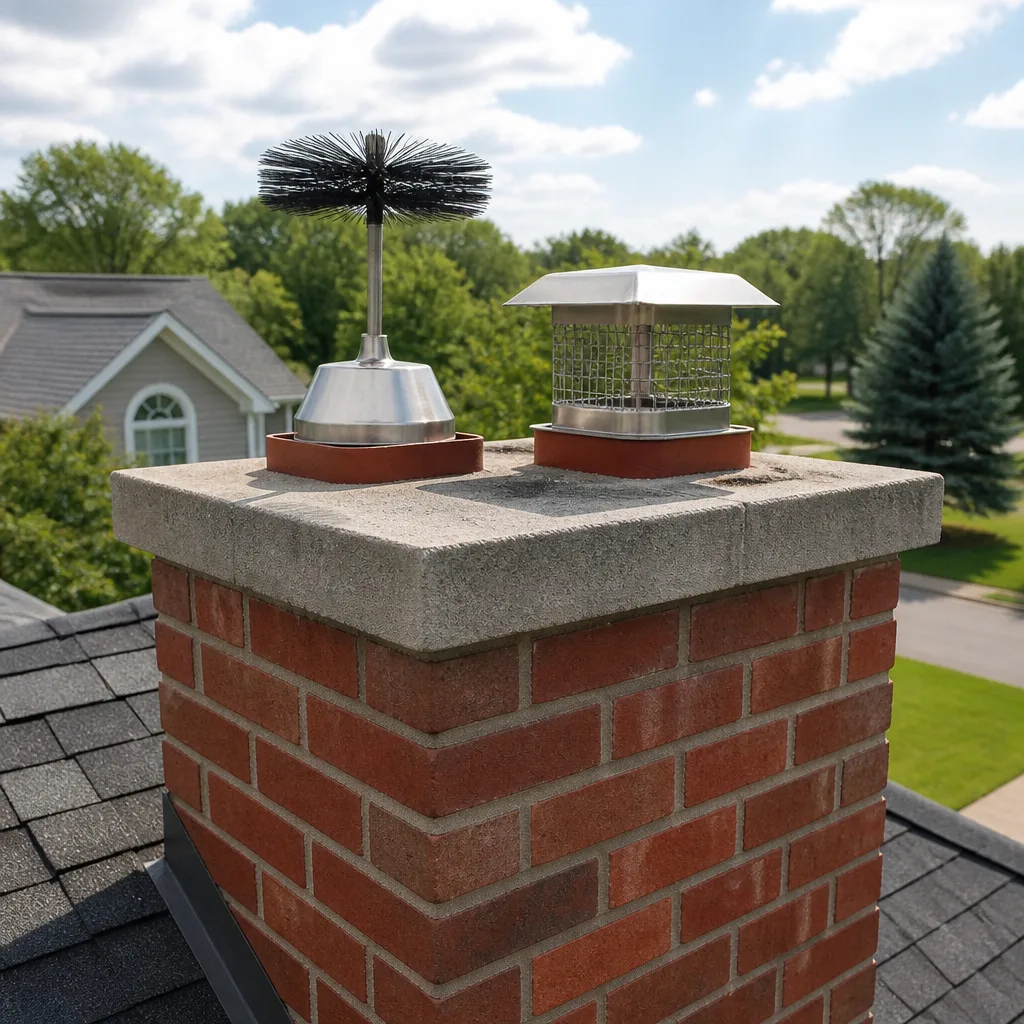 Sweep & inspection
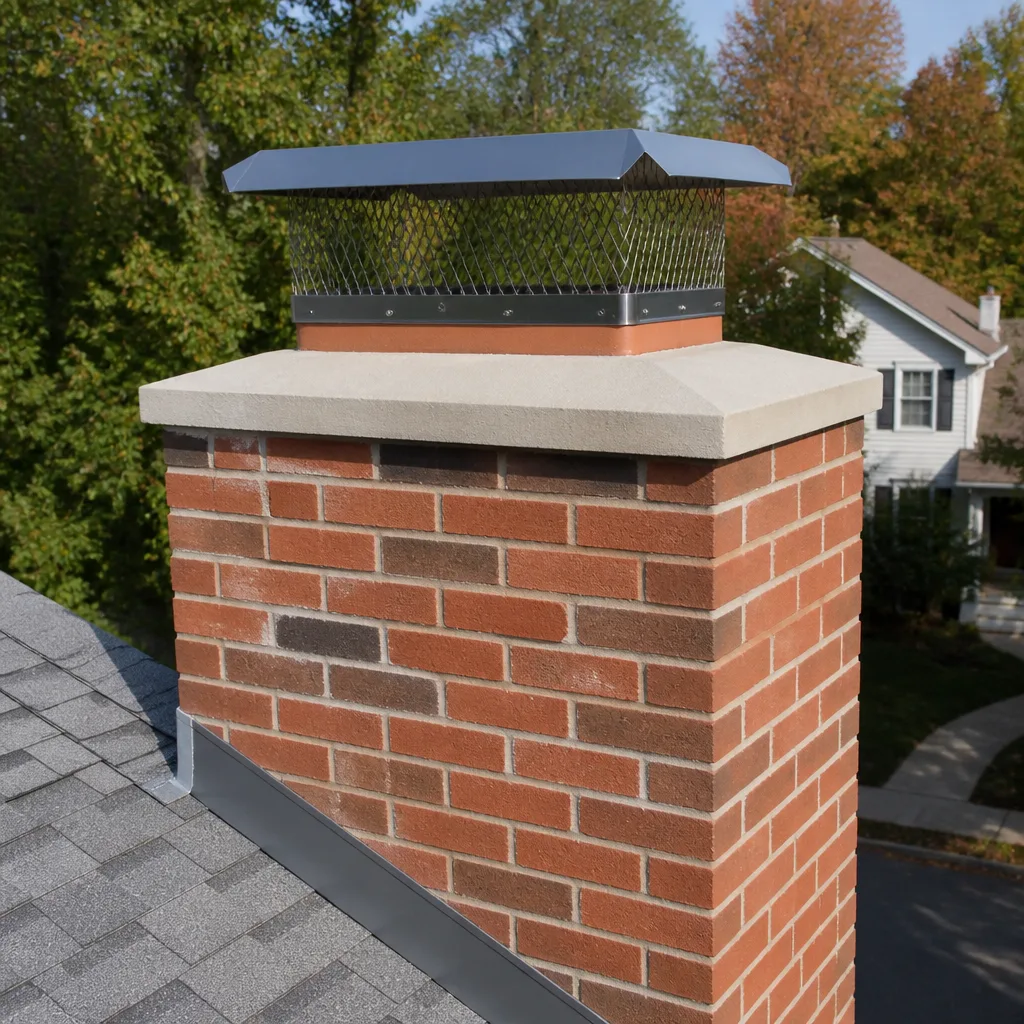 Caps & crowns
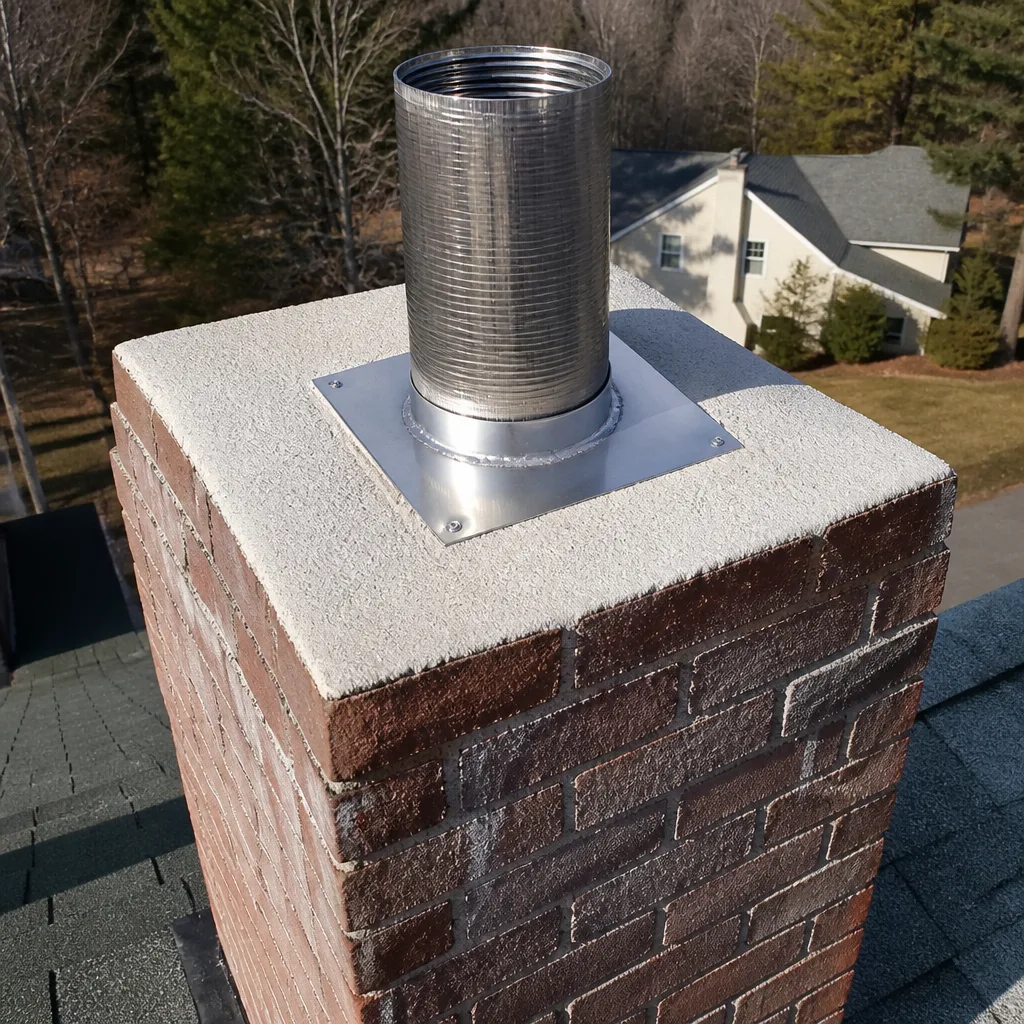 Flue relining
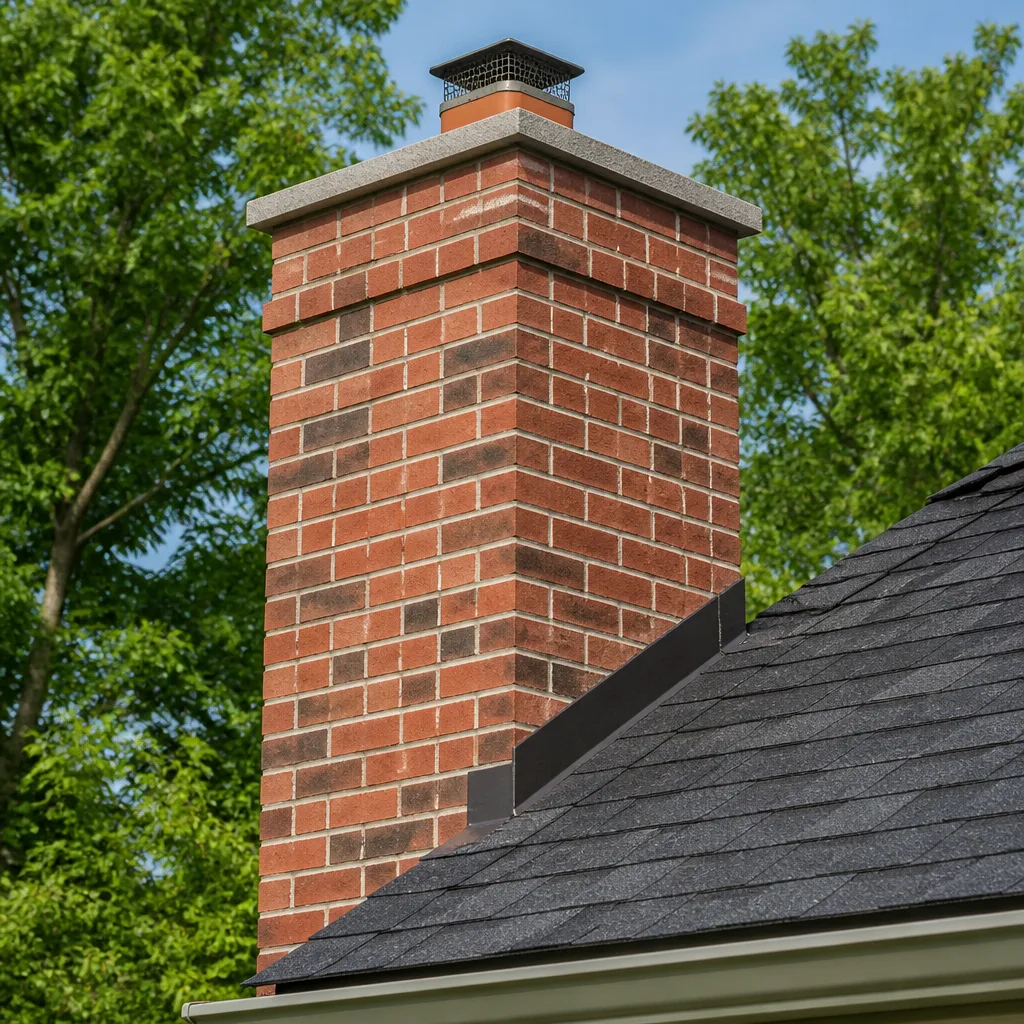 Masonry repair
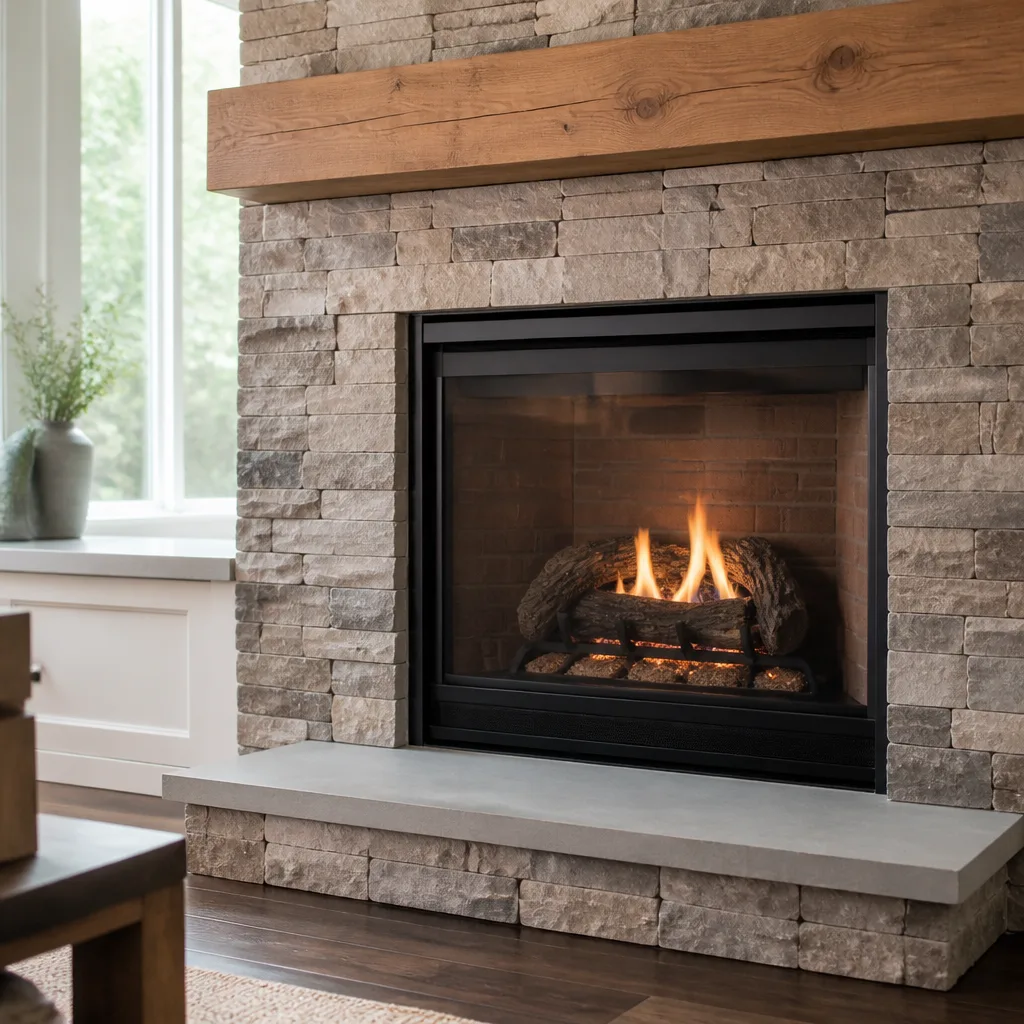 Gas fireplace service
Level 1 sweep and inspection to the NFPA 211 annual standard - flue, crown, cap, and flashing checked and photographed
Chimney sweep logs do not sweep chimneys. They loosen some creosote - which then falls where a brush and vacuum still have to collect it.
The Complete Guide to Chimney Cleaning in Highlands Ranch
Most chimney fires don’t start where you’d expect. Homeowners picture flames climbing out of the firebox and up the flue, but the ignition point is often the smoke chamber – a sloped cavity above the damper that most people have never heard of and many basic sweep services never touch. Soot and creosote collect on its corbelled walls, and because the surface is rough and the angle is awkward, a quick brush-down the flue leaves it coated. In Highlands Ranch, where high altitude changes how wood burns and clay-heavy soils quietly shift the ground beneath masonry chimneys, that buildup happens faster than most guides admit. This guide walks the whole system – firebox to crown – so you know what’s actually being cleaned and why each part matters.
Quick Answer
Chimney cleaning in Highlands Ranch means more than sweeping soot from the flue. A proper service cleans and inspects the full system – firebox, smoke shelf, smoke chamber, flue liner, damper, and crown – because creosote accumulates in stages and the smoke chamber is where many chimney fires actually begin. At roughly 5,800 feet of elevation, wood burns differently here, and the region’s clay soils and heavy freeze-thaw cycles put extra stress on masonry, so the inspection matters as much as the cleaning.
Styles & brands we work with
- Sweep & inspection
- Caps & crowns
- Flue relining
- Masonry repair
- Gas fireplace service
Table of Contents
- How Highlands Ranch’s Altitude Changes What Happens in Your Chimney
- What a Full-System Clean Actually Covers
- The Three Stages of Creosote and Why They Matter
- Clay Soils, Freeze-Thaw, and Masonry Movement in Douglas County
- CSIA Inspection Levels I, II, and III Explained
- What Happens During a Professional Cleaning
- How Often Should You Schedule a Cleaning?
- Wood Choice, Storage, and Burn Habits
How Highlands Ranch’s Altitude Changes What Happens in Your Chimney
Burning wood at 5,800 feet is not the same as burning it at sea level, and the difference shows up inside your chimney. Thinner air holds less oxygen per cubic foot, so a fire needs more draft to pull the same amount of combustion air through the firebox. When draft is weak, the fire burns cooler and less completely – and incomplete combustion is exactly what produces creosote. This is why a Highlands Ranch homeowner burning the same cord of wood as a friend in a low-elevation city can end up with heavier deposits in a single season.
Altitude affects the system in a few connected ways:
- Cooler flue gas. Lower oxygen density means fires often run below their ideal temperature, and cooler exhaust condenses on flue walls sooner.
- Stronger draft demand. Your chimney has to work harder to establish upward flow, so a partially blocked or undersized flue is felt more acutely here.
- Drier wood needed. Because combustion is already less efficient, wet or green wood compounds the problem fast. Seasoned wood matters more at elevation, not less.
- Pressure effects from wind. The Front Range’s gusty downslope winds can push against a chimney top and disrupt draft, especially on shorter flues.
The practical takeaway is simple: in Highlands Ranch, creosote can build faster than the “once a year is plenty” rule of thumb suggests, and a cleaning schedule based on how much you actually burn beats a calendar guess. If you notice the fire struggling to catch, smoke rolling back into the room, or a duller burn than last season, that’s your system telling you draft and deposit buildup need a look. Scheduling a chimney sweep early in the season catches these issues before they compound.
What a Full-System Clean Actually Covers
Your chimney is a system, and every component affects fire safety and efficiency. A sweep that only runs a brush down the flue addresses one part of it. Here’s what a full-system clean should cover, and what each component does:
- Firebox. The firebox is where the fire lives, and its refractory brick or panels take direct heat. Cleaning removes ash and soot, and the sweep checks for cracked bricks, deteriorated joints, and gaps that let heat reach the structure behind.
- Damper. The damper controls airflow and seals the flue when the fireplace is idle. It gets checked for smooth operation and a tight seal – a warped or stuck damper wastes heat and can let cold air and moisture down the flue.
- Smoke shelf. This flat ledge just above the damper catches falling soot and debris and redirects smoke. It’s a trap for buildup and often neglected.
- Smoke chamber. The sloped, corbelled cavity above the smoke shelf compresses smoke before it enters the flue. Its rough walls collect creosote, and this is where many chimney fires originate. Cleaning it takes specialized tools, not a flue brush.
- Flue liner. The liner contains combustion products and protects the surrounding structure. It’s swept clean and inspected for cracks, gaps, and deterioration.
- Crown and cap. The crown is the concrete top that sheds water away from the chimney; the cap keeps rain, animals, and debris out of the flue. Both are checked for cracks and rust, because water intrusion is one of the biggest causes of long-term chimney damage.
We handle all of these in one visit, from the firebox to the cap, so you’re not left piecing the job together across contractors. When repairs turn up – a cracked crown, a damaged damper, a failing liner – the work flows into chimney repair without a second company and a second appointment. Brands like Gelco for caps and Olympia Chimney for liners and components matter here because they’re what tradespeople specify, not what’s convenient on a store shelf.
The Three Stages of Creosote and Why They Matter
Creosote is the residue left behind when wood smoke cools and condenses on flue walls, and it doesn’t arrive in one form. It builds in three distinct stages, and each stage needs a different removal approach. Knowing the difference explains why a standard brush sweep sometimes isn’t enough.
- Stage 1 – soot and flaky residue. This is the light, powdery, or flaky deposit from recent burning. It’s the easiest to remove, and a standard brush sweep handles it well.
- Stage 2 – hardened, crusty deposits. As more smoke condenses over the surface of Stage 1 creosote, it hardens into a crust that clings to the flue wall. Brushing removes some of it, but the glazed patches resist a standard brush and often need more aggressive tools or chemical treatment to break down.
- Stage 3 – glazed, tar-like creosote. This is dense, shiny, and fuel-rich – the most flammable form. It’s also the hardest to remove and can require a specialized approach, sometimes professional chemical treatment or in severe cases liner replacement. Stage 3 creosote is the kind most associated with chimney fires.
Here’s the important part for Highlands Ranch homeowners: the same altitude effects that make fires burn less efficiently also speed the transition from Stage 1 to Stage 2. A chimney that’s merely “a little sooty” in early winter can be working on hardened deposits by spring. That’s why we assess the creosote stage during every cleaning and explain what we find, rather than just brushing and leaving. If the deposits have progressed beyond what a brush can safely clear, we say so and tell you what it takes to correct it.
Clay Soils, Freeze-Thaw, and Masonry Movement in Douglas County
Most chimney guides ignore the ground the chimney sits on, and in Highlands Ranch that’s a real oversight. Douglas County’s soils are heavy in expansive clay, and those soils change volume with moisture – swelling when wet, shrinking when dry. A masonry chimney is a tall, rigid structure, and when the soil beneath its foundation heaves and settles, that movement can translate into the structure above it. Hairline cracks open in mortar joints, the crown can separate from the flue, and gaps appear where the chimney meets the roofline.
The climate adds a second stress. Highlands Ranch swings through a deep freeze-thaw cycle through much of the year – water gets into small cracks during the day, freezes and expands overnight, and widens them further. Over a few seasons, a hairline crack in a mortar joint or crown becomes a real pathway for water. Water intrusion is a leading driver of chimney deterioration, and it’s often invisible from the ground.
What this means for you:
- Inspect the crown and mortar regularly. Small cracks should be sealed before freeze-thaw cycles widen them into structural problems.
- Watch for interior water signs. Staining on the firebox or smoke chamber, rust on the damper, or a musty smell after rain all point to water getting in.
- Treat the crown as the roof of your chimney. A cracked crown that sheds water improperly is a chronic problem, not a cosmetic one. Cap and crown work addresses the two leading causes of water intrusion, which is why we treat it as preventive maintenance, not just reactive repair.
Because the soil and climate work together here, we pay close attention to mortar joints and structural integrity during every Highlands Ranch inspection. When resurfacing is needed, a HeatShield ceramic flue resurfacing can restore a deteriorating liner without the cost and disruption of a full tear-out and reline – the restore-rather-than-replace path that the material makes possible.
CSIA Inspection Levels I, II, and III Explained
Not every chimney inspection is the same, and the CSIA – the Chimney Safety Institute of America – defines three levels. Knowing which one applies to your situation keeps you from paying for more than you need or getting less than you should.
- Level I – a basic visual check. This covers readily accessible areas of the chimney and is appropriate for a chimney that’s in known good condition and hasn’t changed, typically paired with a routine cleaning. If you’ve been burning normally and nothing has shifted, a Level I is often enough.
- Level II – a more detailed inspection. Level II adds a close look at accessible portions of the flue and other areas not visible with a basic walkthrough, and it’s the level that applies when there’s a change in the system – a new appliance, a change in fuel type, a chimney that’s been through an event like a chimney fire, or a real estate transaction. It’s also where problems like hidden liner damage tend to surface.
- Level III – diagnostic, and rarely the first step. Level III is reserved for when a specific problem is suspected but can’t be evaluated without opening up concealed areas, which may involve removing parts of the chimney or its surrounding structure. It’s the most involved level and applies to genuine diagnostic situations.
We offer inspection as a standalone service, not a mandatory add-on to a cleaning, so you pay for the level your situation actually calls for. That’s the point of the diagnostic-first approach: you know what you’re getting and why before anything else happens. If you want an inspection on its own, simply ask for it. If you suspect liner damage or have had a chimney fire, a Level II is the honest starting point.
What Happens During a Professional Cleaning
A professional cleaning is methodical, and knowing the sequence helps you understand what you’re paying for. Here’s how a full-system cleaning typically runs:
- Set up and protect the workspace. Drop cloths and containment protect your floors and furnishings, and the sweep works up from the firebox with the flue sealed off to keep soot contained.
- Clean the firebox and smoke shelf. Ash and soot come out first, and the smoke shelf gets cleared of the debris that falls onto it.
- Clean the smoke chamber. This is the step most basic services skip. Specialized tools work the corbelled walls to break down creosote that a flue brush can’t reach.
- Sweep the flue. The right brush for your liner type runs the length of the flue, and deposits removed from below are all collected.
- Check the damper. Operation and seal get verified; the damper should move freely and close tightly.
- Inspect the crown and cap. From the top side, the crown is checked for cracks and the cap for damage and proper fit, then the sweep checks the flue and smoke chamber once more for anything that needs attention.
When a flue path is complex or non-standard, rigid systems sometimes can’t complete the job. DuraFlex flexible liner systems cover those configurations, which means we can finish more repairs in a single visit instead of tearing into the structure. Throughout, we let you know what we found and anything that needs doing – so nothing is recommended without evidence you can see for yourself.
How Often Should You Schedule a Cleaning?
The honest answer is that annual is a floor, not a ceiling, and your burn habits set the real interval. The common guidance is to have a chimney cleaned and inspected annually, but at Highlands Ranch’s altitude, where creosote forms faster, how much and how cleanly you burn matters more than the calendar alone. If you burn frequently through the season, a cleaning partway through can be worthwhile.
Schedule a cleaning and inspection when:
- You have burned roughly a cord of wood or more since the last cleaning – heavy use builds deposits faster.
- You notice the fire struggling to catch, smoke rolling back into the room, or a weaker flame than in past seasons.
- You smell a strong smoky or creosote odor in the home when the fireplace isn’t running.
- It’s the start of the season and you haven’t had the system checked since last year.
- Anything has changed – a new appliance, a chimney fire, a remodel, or a move into a home whose chimney history is unknown.
Don’t wait for a problem to announce itself. A cleaning at the start of your burning season lets a professional spot Stage 2 buildup, a cracked crown, or a weakening liner while they’re still small issues. If you haven’t had your system checked for Highlands Ranch’s upcoming burn season, call (855) 550-7361 – the estimate is free and the price is set per job by a written estimate you see before any work begins.
Wood Choice, Storage, and Burn Habits
How you burn wood is the single biggest thing you control over creosote formation, and it’s often overlooked. Seasoned wood – split, dried, and burning cleanly – produces far less creosote than green or wet wood, and at high altitude the effect is amplified because fires run cooler to begin with. Wet wood forces the fire to burn off moisture before it can burn efficiently, which drops flue temperatures and sends more unburned material up to condense on the walls.
A few habits make a real difference:
- Burn seasoned wood. Split and stack it so it dries well, and choose dry, well-seasoned logs over fresh-cut wood. It lights more easily and burns hotter and more completely.
- Keep it covered and off the ground. Store wood under cover so rain and snow don’t undo the seasoning, and keep the bottom layer off damp ground.
- Burn hot, clean fires. A long, smoldering fire at low heat is the enemy of your flue – it produces the cool, smoky exhaust that deposits creosote. A smaller, hotter fire burns cleaner.
- Don’t burn trash or treated wood or anything that isn’t meant for a fireplace; it produces more residue and can damage the system.
Good burn habits don’t replace cleaning, but they stretch the interval between cleanings and keep the system healthier overall. Combined with regular inspection, they’re the two easiest things a Highlands Ranch homeowner can do to protect the chimney.
Common Mistakes to Avoid
- Cleaning only the flue and skipping the smoke chamber. The smoke chamber is where many chimney fires start, and a quick flue brush never touches it. Ask what a cleaning includes before you book it.
- Treating “cleaned” as “inspected.” A cleaning and an inspection are different jobs. Skip the inspection and you won’t know about a cracked crown or a failing liner until it’s a much bigger problem.
- Assuming annual is enough in Highlands Ranch. At 5,800 feet, creosote builds faster and fires burn less efficiently, so a heavy user here may need more than a once-a-year look.
- Ignoring the crown until it leaks. A small crack in the crown or a mortar joint gets widened by Douglas County’s freeze-thaw swings. Seal it early, before water and winter do the rest.
- Burning wet or unseasoned wood to save effort. Wet wood is the fastest route to heavy creosote at altitude. Season and store wood properly and you’ll clean less and burn safer.
- Letting a strong smokey smell go unchecked. A persistent creosote or smoke odor, or smoke rolling back into the room, is your system asking for attention – not something to wait out.
- Piecing the job across several contractors. A sweep who only cleans and refers out every repair adds appointments and splits responsibility. One company that covers sweep through structure keeps it simple.
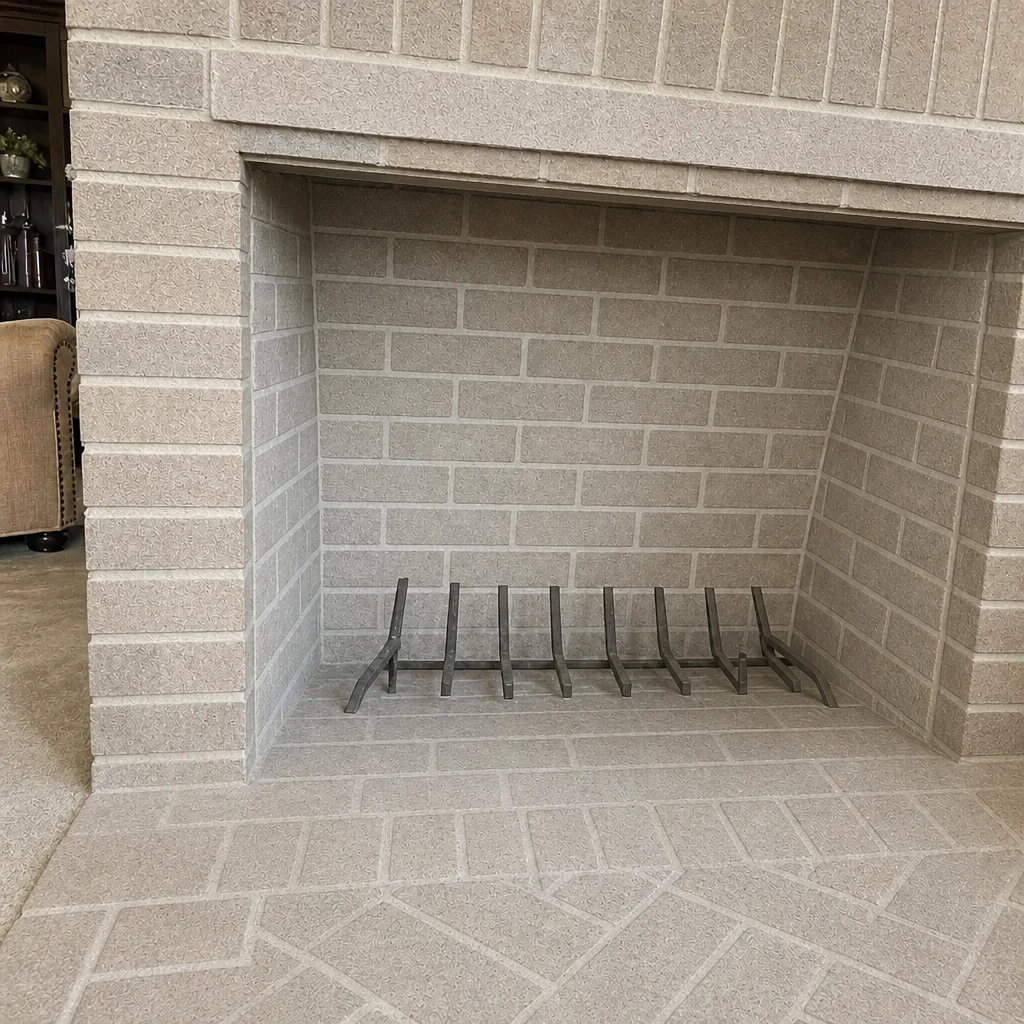
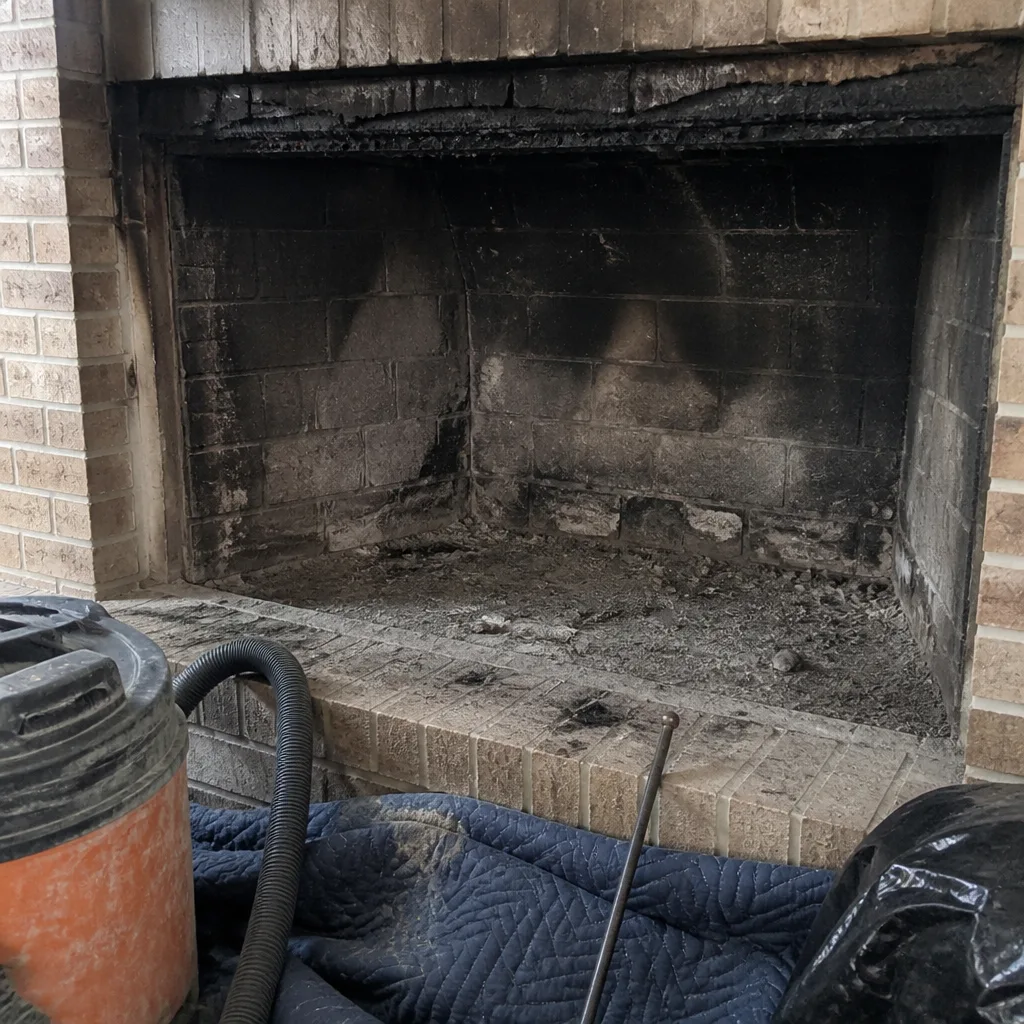
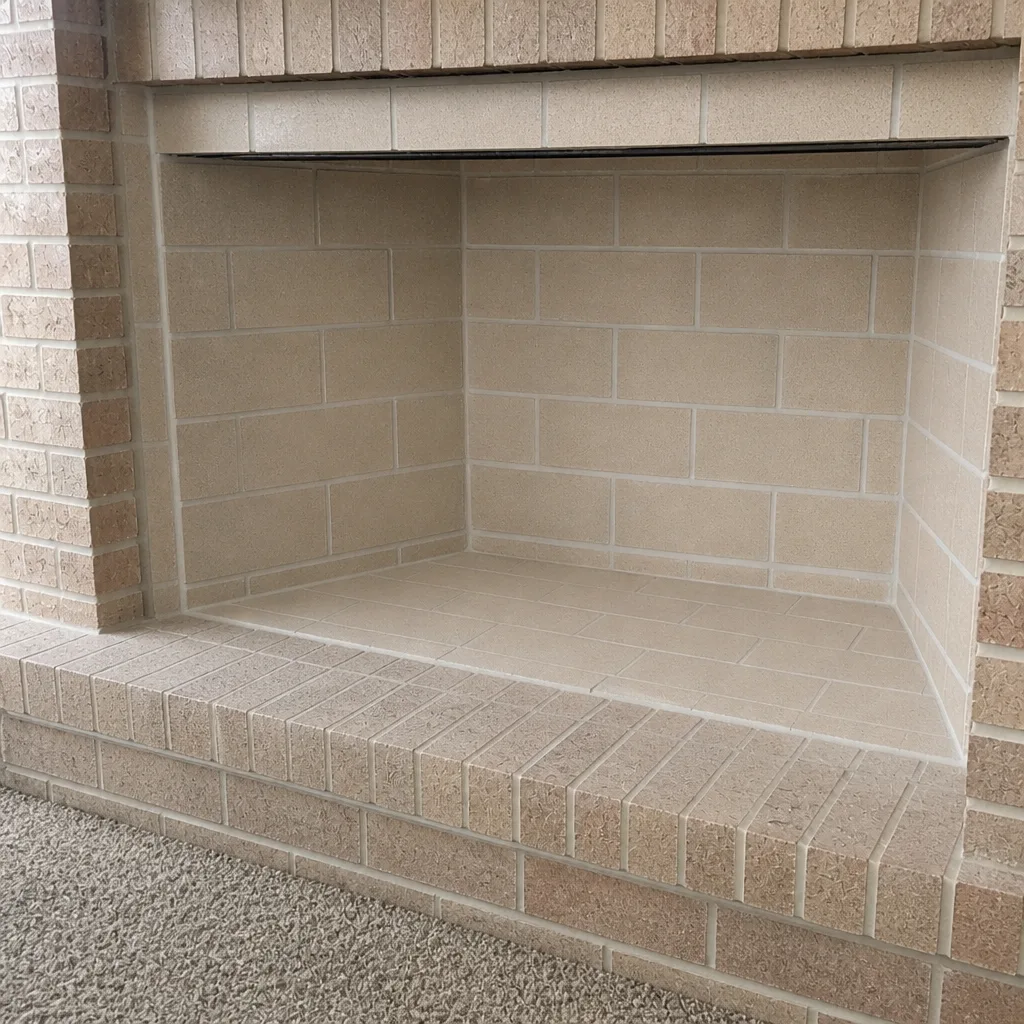
See the difference
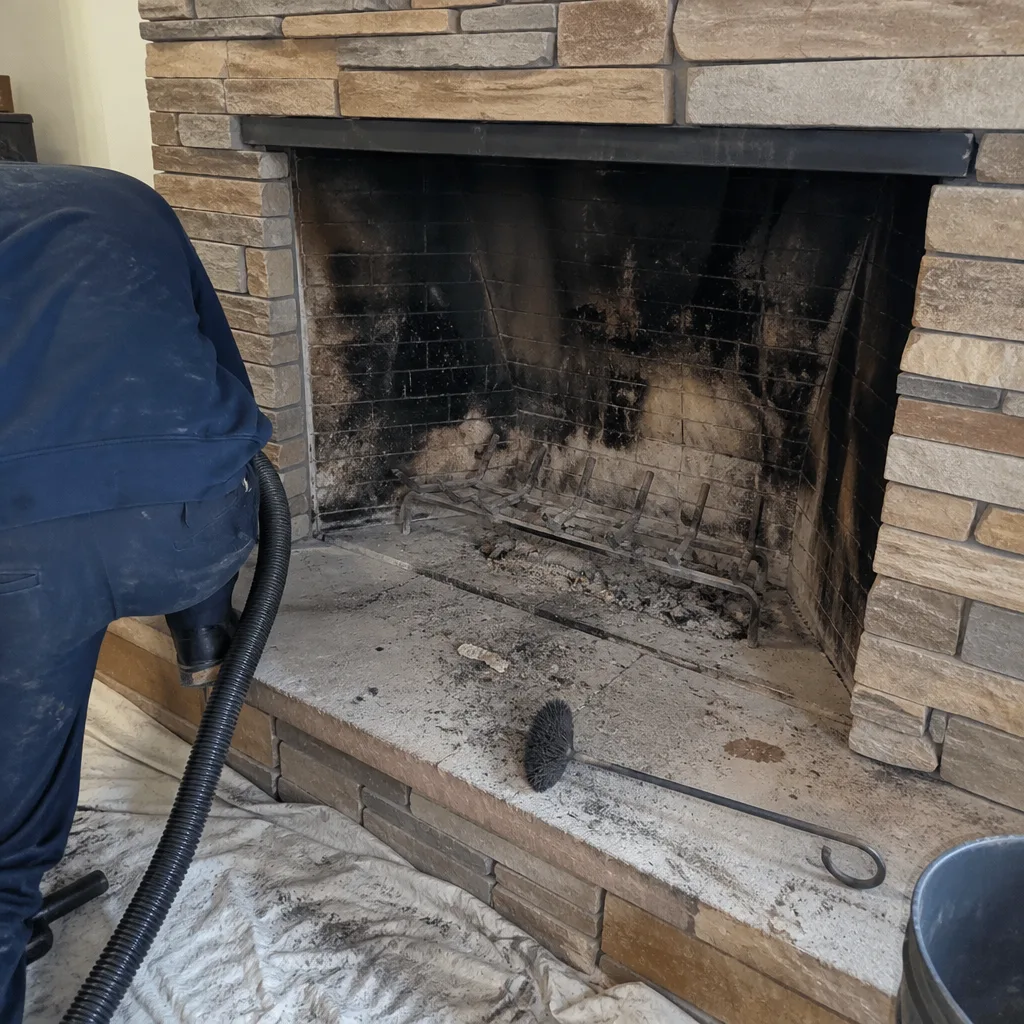 Before
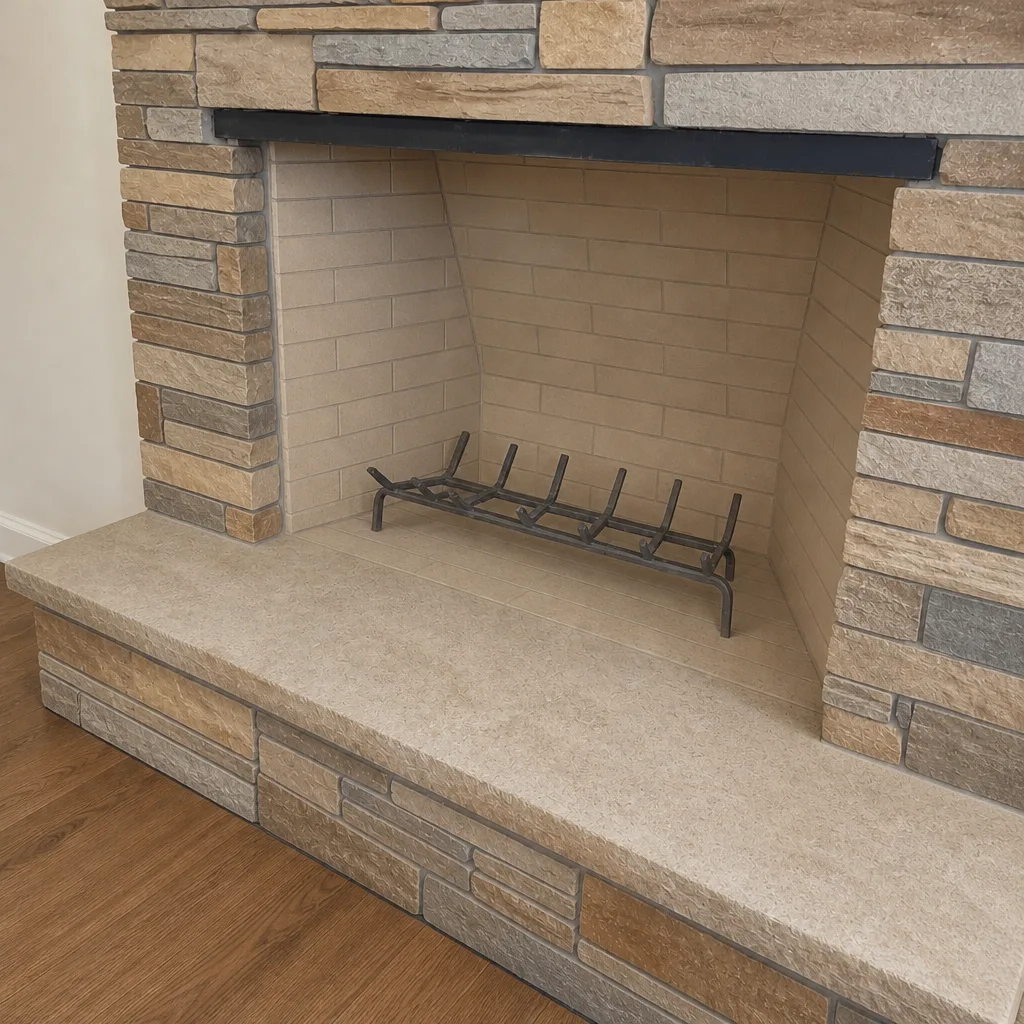 After
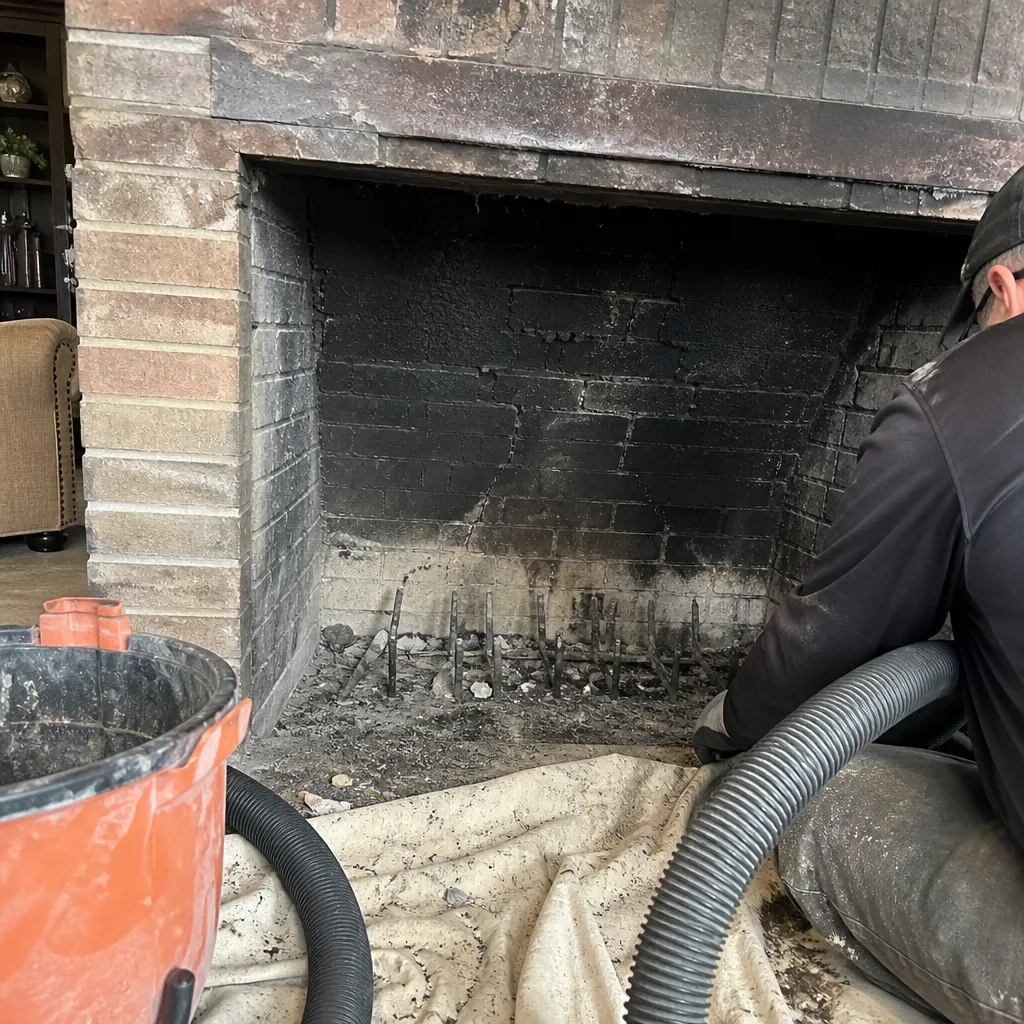 Before
 After
 Before
 After
When to Call a Professional
Some situations are clearly a job for a trained professional. If you’ve had a chimney fire, heard a loud roar from the flue, or noticed smoke rolling back into the room, stop burning and get the system inspected before you use it again. A strong creosote smell, staining or rust around the firebox, or visible cracks in the crown or mortar all warrant a professional look. And if your flue has heavy Stage 2 or glazed Stage 3 deposits, a standard brush sweep isn’t enough – the removal needs the right tools and technique. Chimney cleaning and inspection deal with the parts of your home where fire, combustion gases, and water converge; those are not components to check from the ground with a flashlight. Chimney Sweep Highlands Ranch offers free estimates in Highlands Ranch – call (855) 550-7361, and we’ll tell you honestly what your system needs and what can safely wait.
Frequently Asked Questions
The price is set per job by a written estimate based on your flue, the creosote stage, and whether inspection or repairs are involved. We give you the estimate in writing before any work starts, so you always know what you’re paying for. Call (855) 550-7361 for an exact quote – estimates are free.
A flue sweep alone leaves the smoke chamber and smoke shelf uncleaned, and the smoke chamber is where many chimney fires originate. A full-system clean covers the firebox, smoke shelf, smoke chamber, flue, damper, and crown together. In our experience in Highlands Ranch, the components most people have never heard of are the ones that matter most.
Annual cleaning and inspection is the baseline, but altitude changes the math. At roughly 5,800 feet, wood burns less efficiently and creosote forms faster, so heavy users may need more than once a year. Your real interval depends on how much and how cleanly you burn – call (855) 550-7361 and we’ll help you set it.
Creosote keeps building, and it can progress from light soot to hardened crust to glazed Stage 3 deposits that are highly flammable. Along the way, a debris-blocked flue can cause smoke to back into the home, and a small crown crack can let water in and start structural damage. Call (855) 550-7361 if you haven’t had the system checked this season.
Yes – inspection is a standalone service, not a mandatory add-on. You can book an inspection on its own and pay only for the level your situation actually calls for. That keeps the diagnostic honest and puts the decision in your hands.
A Level I is a basic visual check, appropriate for a system in known good condition that hasn’t changed. A Level II is more detailed and applies when something has changed – a new appliance, a change in fuel, a chimney fire, or a real estate transaction. A Level III is a deeper diagnostic used only when a problem can’t be evaluated without opening up concealed areas.
The Bottom Line
Chimney cleaning in Highlands Ranch is a full-system job, not a brush-down. The smoke chamber, smoke shelf, liner, damper, crown, and firebox all matter, and the region’s altitude, clay-heavy soils, and constant freeze-thaw cycles make creosote buildup and masonry wear happen differently here than in lower, flatter places. The three stages of creosote demand different removal methods, and CSIA inspection levels exist for a reason – so you get exactly the level of scrutiny your system needs. From the firebox to the cap, we handle it all with professional-grade components from Gelco, Olympia Chimney, HeatShield, and DuraFlex. Have your system checked before the season starts and you’ll know exactly where it stands.
Call Chimney Sweep Highlands Ranch at (855) 550-7361 for a free estimate. We answer 24/7. Fast dispatch from 7am to 7pm, Sunday through Friday. For fireplace components like a damaged damper or firebox, our fireplace repair service can address the source of the problem, and an inspection first means you’ll know exactly what you’re paying for and why.
Written by the team at Chimney Sweep Highlands Ranch.