
Last updated November 25, 2026
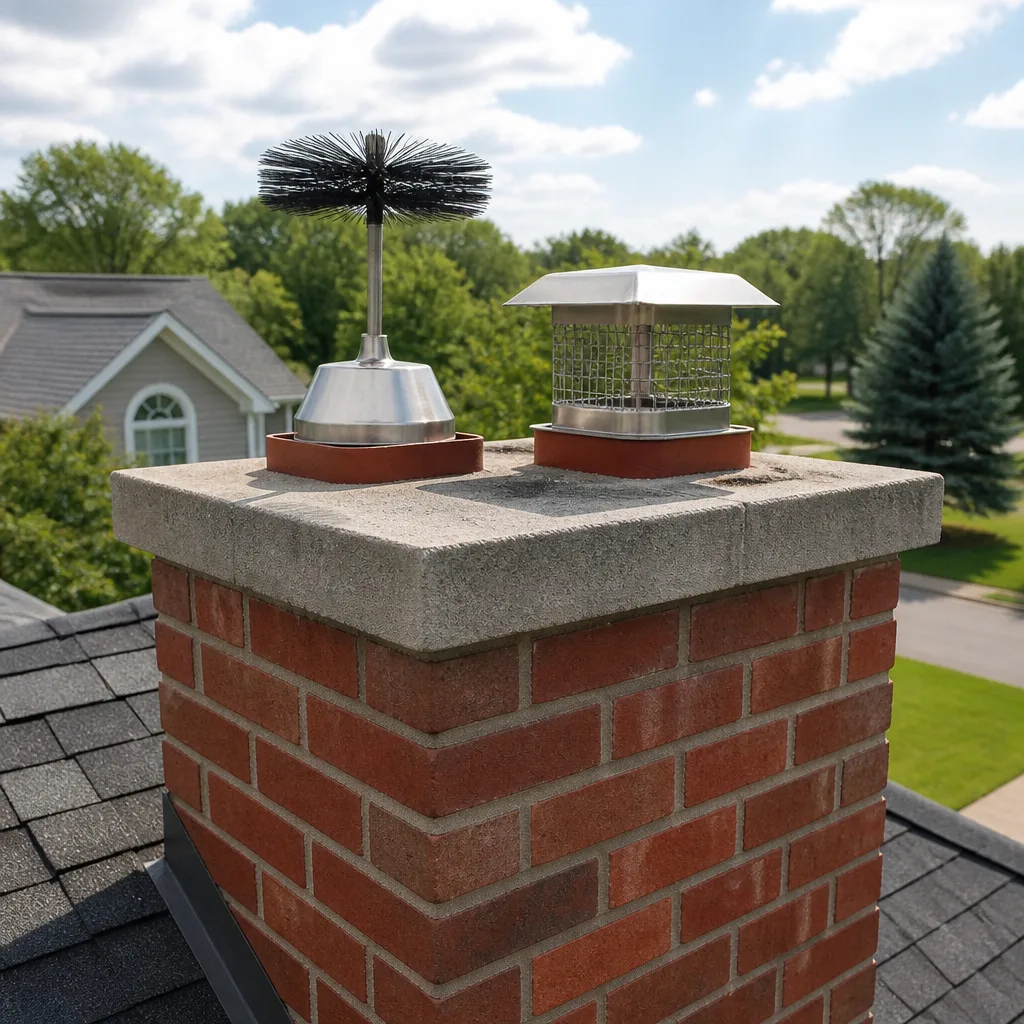 Sweep & inspection
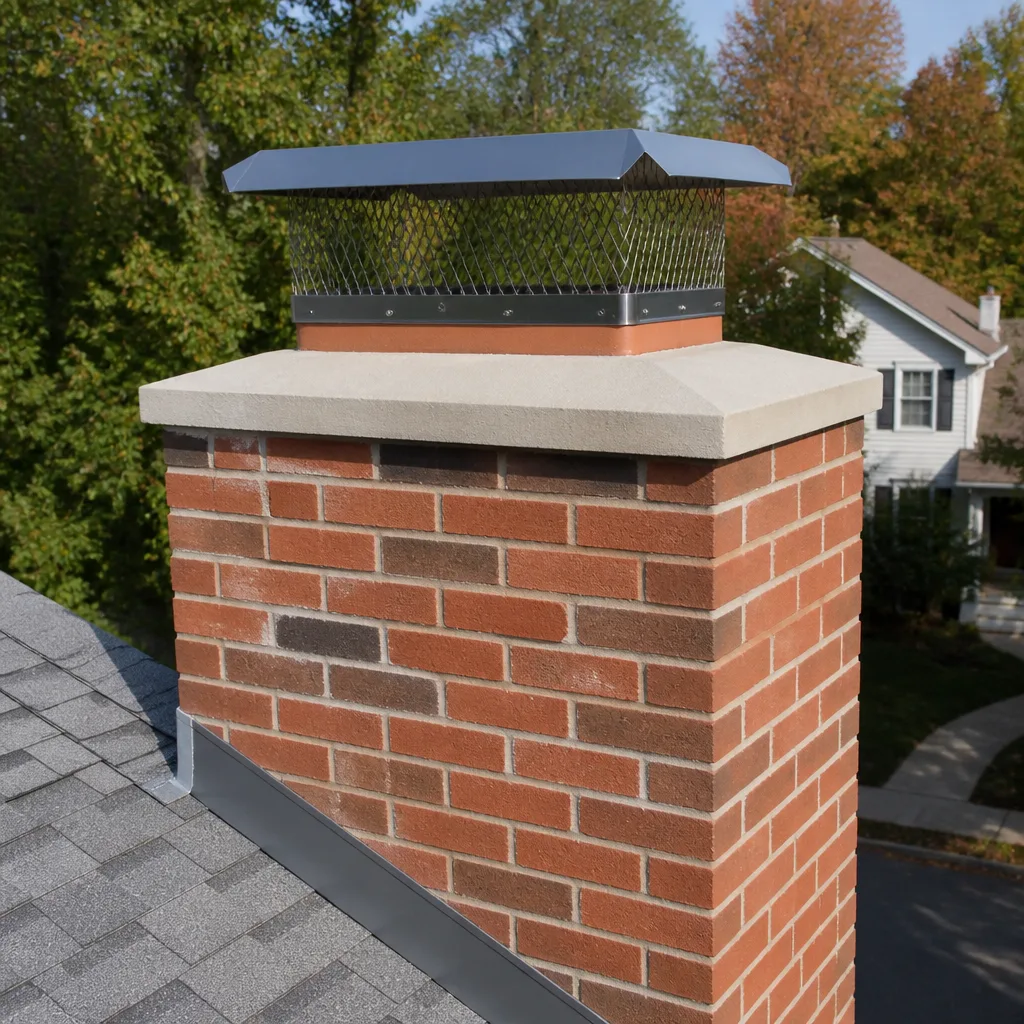 Caps & crowns
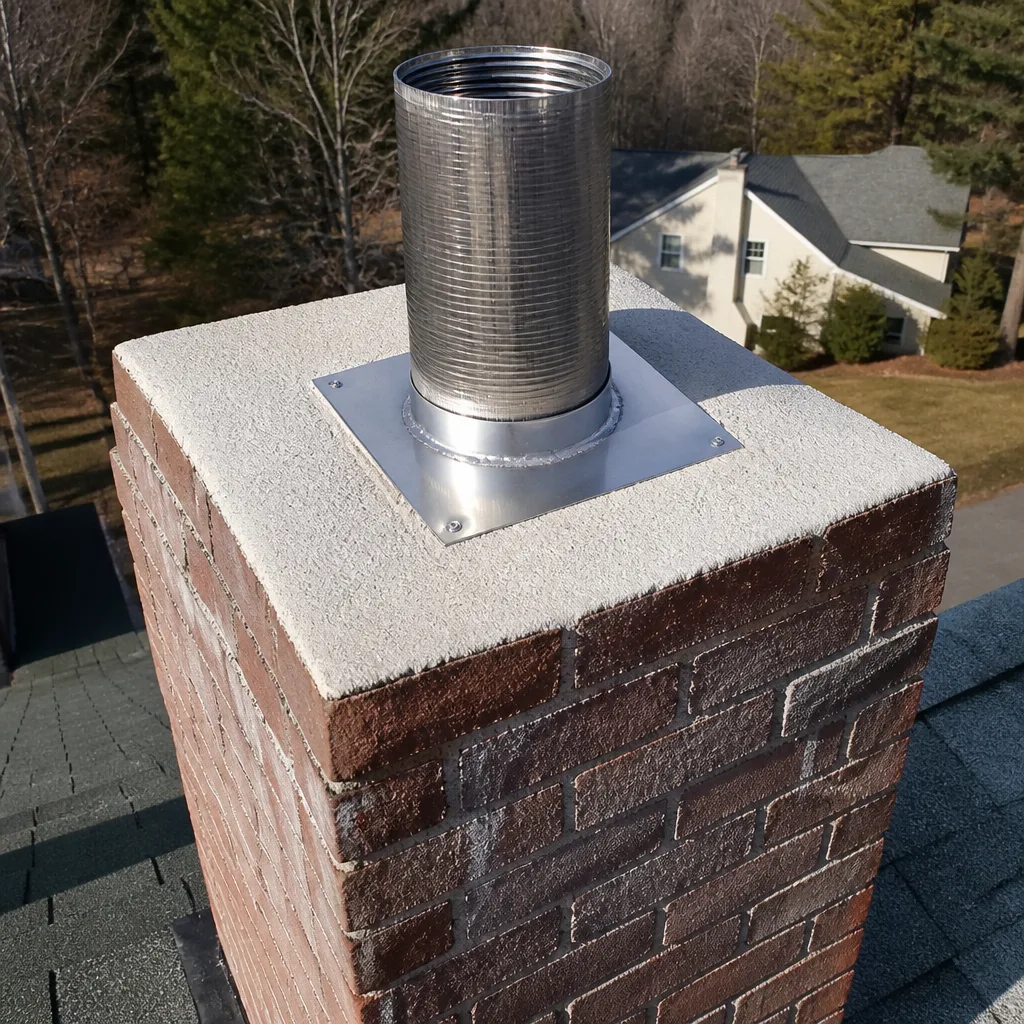 Flue relining
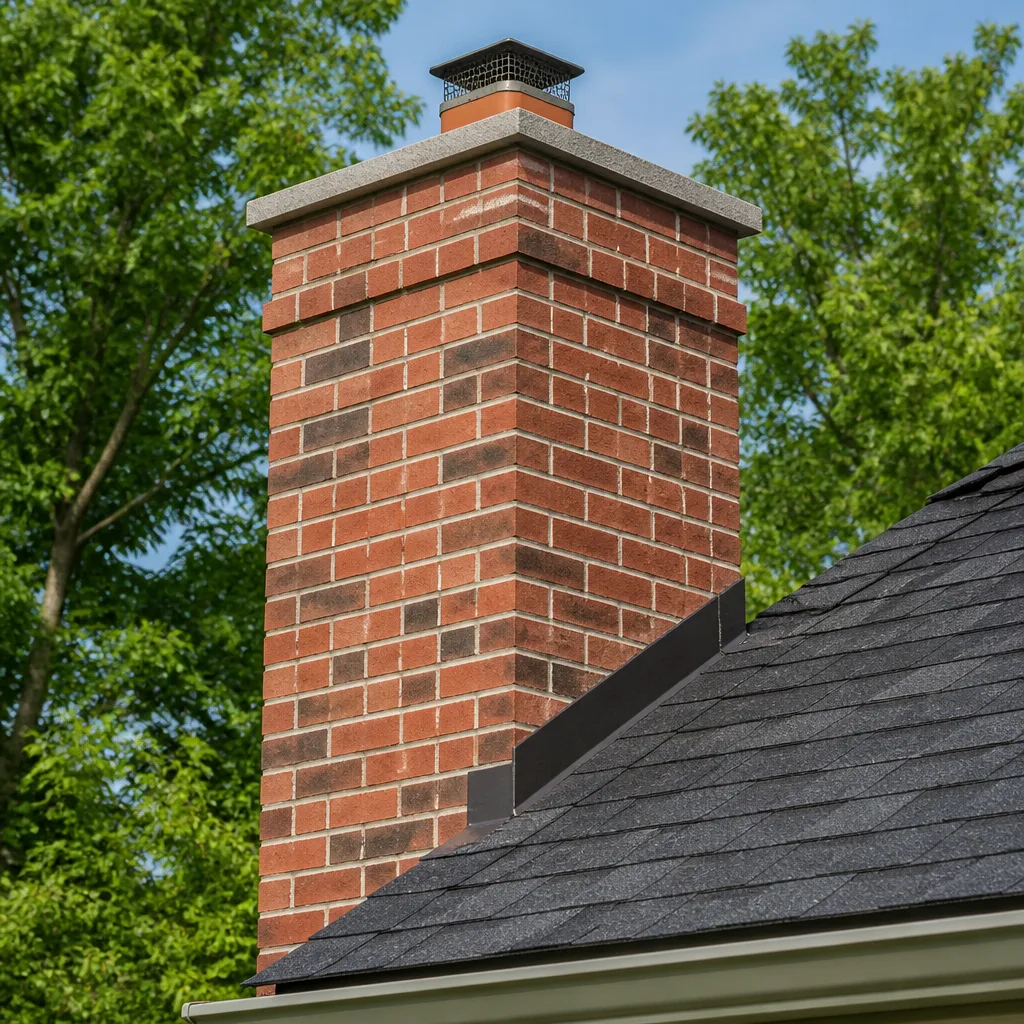 Masonry repair
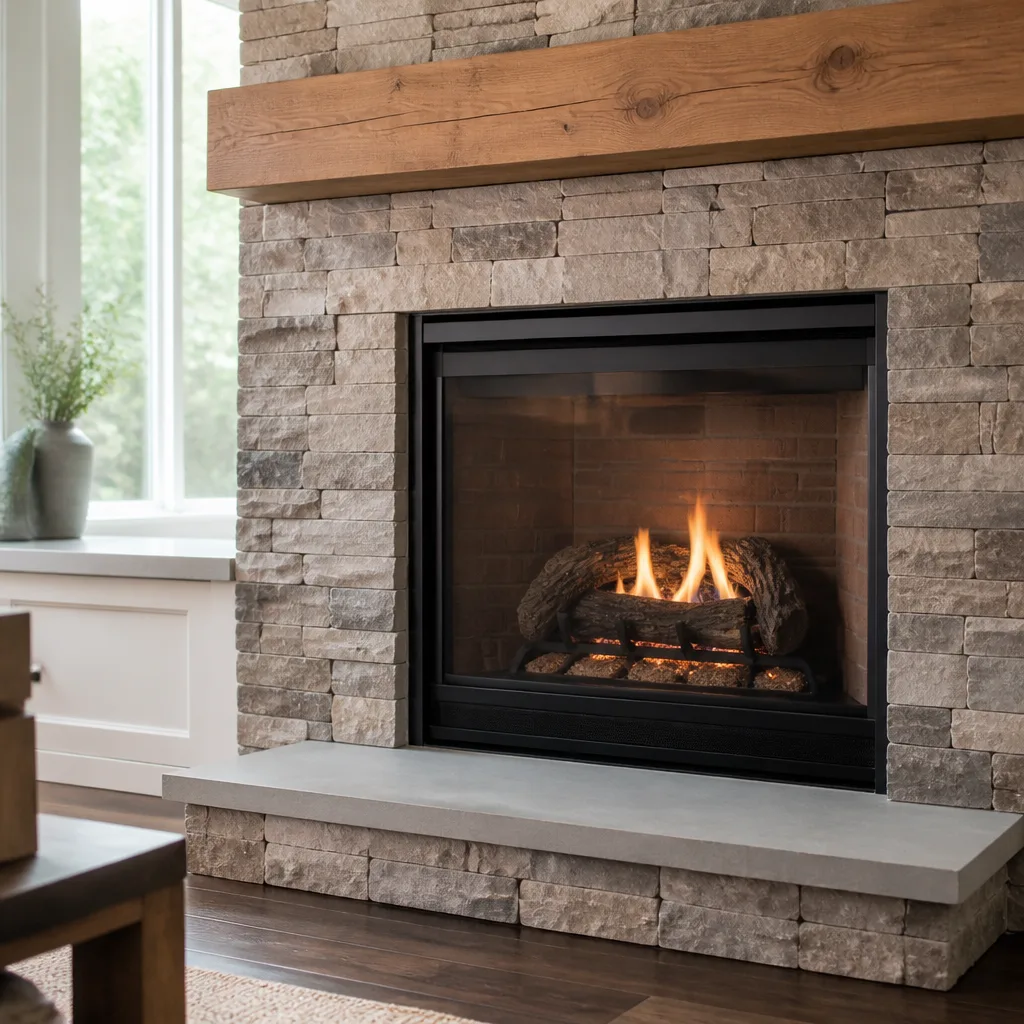 Gas fireplace service
Level 1 sweep and inspection to the NFPA 211 annual standard - flue, crown, cap, and flashing checked and photographed
Chimney sweep logs do not sweep chimneys. They loosen some creosote - which then falls where a brush and vacuum still have to collect it.
How to Hire a Chimney Cleaning Contractor in Highlands Ranch: A Step-by-Step Guide
A $79 chimney sweep coupon in your mailbox isn’t a deal. It’s a business model. That low number exists to get a van into your driveway, and the real money comes later, once you’re told the flue needs work you have no way to verify. Highland Ranch homeowners ask us constantly how to tell a genuine, full-system chimney contractor from a coupon-driven cleaning crew, and the honest answer is that the title “chimney sweep” is unprotected here in Colorado. Anyone with a brush can print it on a business card. What follows is a concrete vetting framework – the certifications that actually matter, the questions to ask before booking, and how to read a written estimate so you’re not sold work you don’t need. We’ll walk through each step so you can hire with confidence.
Quick Answer
To hire a chimney cleaning contractor in Highlands Ranch, verify what certifications the technician holds (CSIA for sweeping and inspection, NFI for fireplace and appliance work), confirm they perform level-two video inspections with a camera, and insist on a written report and a line-item estimate before any work begins. Ask whether they’ll do a standalone inspection rather than bundling it with a sweep, and check that their specialty covers the full system – firebox through cap and crown – so you aren’t sent to a second contractor when a repair surfaces. The lowest bid is usually the one that skips the liner and smoke chamber, so compare scope, not just price.
Styles & brands we work with
- Sweep & inspection
- Caps & crowns
- Flue relining
- Masonry repair
- Gas fireplace service
Table of Contents
- Why “Chimney Sweep” Is an Unprotected Title in Colorado
- CSIA vs. NFI: Which Certification Applies to What
- Interview Questions to Ask Before You Book
- The Three Levels of Chimney Inspection
- How to Read a Written Estimate Line by Line
- Why the Lowest Bid Usually Misses the Liner and Smoke Chamber
- How to Verify a Contractor’s Local History in Douglas County
- Highlands Ranch Climate and Your Sweeping Schedule
Why “Chimney Sweep” Is an Unprotected Title in Colorado
In Colorado, there’s no state license that specifically governs chimney sweeping. A general contractor’s license covers structural work, and a plumber handles certain gas connections, but the actual cleaning and inspection of a chimney flue sits in a gap that lets a wide range of people advertise the service. That’s the core problem. The term “chimney sweep” is descriptive, not regulated, so a handyman who owns a rotary brush and a shop vacuum can call themselves one.
What this means for you is that the credential doesn’t live in a state database. It lives in trade certifications, and those you have to ask about directly. There are three practical signals that separate a full-system specialist from a coupon operation:
- Trade certification. Chimney professionals are certified through the Chimney Safety Institute of America (CSIA), and fireplace and appliance specialists through the National Fireplace Institute (NFI). A contractor who holds either is telling you they’ve been tested on the code and safety standards behind the work.
- Scope of service. A full-system specialist covers sweeping, inspection, fireplace repair, chimney repair, and cap and crown work. A scope-limited crew does one thing and refers the rest out.
- Diagnostic-first practice. A contractor who offers inspection as a standalone service – not just a mandatory add-on to cleaning – is signaling they want you to know what’s happening before you pay for it.
The Colorado climate adds pressure here. Highlands Ranch sits at high altitude with cold winters and a real freeze-thaw cycle, which drives moisture into masonry and stresses the cap and crown. That means a chimney that looks fine on the outside may have a cracked crown or a damaged liner you can’t see. Which brings us to why the person you hire needs to be able to assess the whole system, not just sweep the flue and leave.
CSIA vs. NFI: Which Certification Applies to What
The two certifications homeowners hear about most are CSIA and NFI, and they cover different parts of the trade. Knowing which applies to which job keeps you from hiring the wrong specialist for the work you actually need.
CSIA (Chimney Safety Institute of America) is the standard for chimney sweeping and inspection. A CSIA-certified sweep has been tested on venting, combustion safety, and inspection procedure. If your primary need is a cleaning and a professional assessment of the flue, this is the credential to look for. It’s also the one most directly tied to the safety questions that matter – creosote buildup, draft problems, and what an inspection should actually cover.
NFI (National Fireplace Institute) is the standard for fireplace and heating appliance work. NFI certification is specific to the appliance type – wood, gas, or pellet – because each has its own venting and combustion requirements. If you’re having a fireplace repaired, a gas appliance serviced, or an insert addressed, an NFI-certified specialist is the right call. The two certifications aren’t interchangeable, and a well-rounded contractor may hold both or work alongside someone who does.
Here’s a practical way to think about it:
- If you want a chimney sweep and inspection, confirm CSIA certification.
- If you need fireplace repair or a gas appliance addressed, confirm NFI certification for that appliance type.
- If the job spans both – which is common in older Highlands Ranch homes – ask whether the contractor holds both or can coordinate the right specialist.
When you call, don’t be shy about asking. A professional will tell you their certification plainly. A coupon operation often won’t know what you’re talking about.
Interview Questions to Ask Before You Book
The single highest-value thing you can do before booking is ask a short list of questions by phone. The answers tell you almost everything about how the contractor operates. A real specialist answers these directly. A loss-leader operator gets vague and steers the conversation toward the introductory price.
Ask these questions, in this order:
- “What inspection level do you perform, and when?” A level-one inspection is a visual check of the accessible parts of the system. A level-two inspection adds a video camera scan of the flue. Most chimney cleaning should include a level-two when there’s any change in the system, a new home, or a suspected problem. If the answer is only ever “we look at it,” ask why.
- “Do you use a camera, and will I see the footage?” A camera reveals cracks, gaps, and misaligned flue tiles that a visual check can miss. If they don’t own a camera, they can’t show you evidence.
- “What does your written report include?” You want photos, the inspection level performed, what was found, and a recommendation for each finding. A verbal “you’re all set” is not a report.
- “Is inspection available as a standalone service?” If every inspection is bundled into a sweep, ask why they won’t check your system without selling a cleaning alongside it.
- “What’s the range of work you can do in one visit?” Sweep, inspection, fireplace repair, chimney repair, and cap and crown – if they can’t cover the system, you’ll be hiring someone else the moment a repair surfaces.
- “What does the sweep include in writing?” The written scope should name the firebox, smoke chamber, flue, and cap. “Cleaning and inspection” as a single line is a red flag.
Write the answers down. If you call three contractors, you’ll have a comparison that’s far more useful than three prices.
The Three Levels of Chimney Inspection
Chimney inspections come in three recognized levels, and knowing the difference keeps you from paying for the wrong one – or getting a level-one when you needed a level-two. The levels are defined by the National Fire Protection Association (NFPA) 211 standard, which is the code reference chimney professionals work from.
Level one is a visual inspection of readily accessible parts of the system, done without tools. It’s appropriate for an annual check when the system hasn’t changed and you’re burning the same fuel you always have. Level two adds a video camera scan of the flue and inspection of accessible attic, crawlspace, and chase areas. It’s called for after a chimney fire, when you move into a new home, after an appliance change, or when there’s any sign of a problem. Level three is a diagnostic inspection that may involve opening walls or removing components – reserved for suspected hidden hazards.
For most Highlands Ranch homeowners, the practical rule is simple: routine cleaning deserves at least a level-one, and anything more than a routine cleaning – a new home, a change in how the chimney performs, a suspected issue – warrants a level-two with camera footage you can see. If a contractor can’t tell you which level they’re performing and why, that’s your answer.
This is why we treat inspection as its own service. An inspection first – so you know exactly what you’re paying for and why. A contractor who sells the cleaning first and the inspection second has the incentive backwards.
How to Read a Written Estimate Line by Line
A written estimate is the clearest window into a contractor’s competence, because vague language is where low-quality scopes hide. The rule to remember: if a line item doesn’t name a specific component and a specific action, it’s not a real scope.
Here’s what a solid estimate should contain, and what to watch for:
- Component named specifically. “Sweep flue and clean firebox” is a real line. “Cleaning and inspection” as a single line is vague and usually means the smoke chamber got skipped.
- Inspection level stated. The estimate should say whether a level-one or level-two inspection is included, and whether camera footage is provided.
- Repairs listed individually. A crown repair, a cap replacement, and a liner restoration are three separate line items with three separate scopes. Bundling them into “chimney repair” hides what you’re actually paying for.
- Materials named. Professional-grade components are specified by brand because the trade specifies them. When a repair involves a liner or a crown, ask what product is being used. We work with HeatShield, Gelco, Olympia Chimney, and Famco because those are what professionals specify, not what’s convenient.
- Clear what’s excluded. A good estimate tells you what it won’t cover, so there are no surprises mid-job.
Compare estimates by scope first and price second. When two bids differ by hundreds of dollars, the gap is almost always a missing component, not a better deal. And always ask for the written estimate before booking – the price is set per job by that written estimate, and the estimate itself should be free.
Why the Lowest Bid Usually Misses the Liner and Smoke Chamber
The lowest bid is structurally likely to miss liner and smoke chamber work – not because the contractor is dishonest, but because those components take more time and more equipment to address properly. A sweep that runs a brush up the flue and vacuums the firebox is quick. Assessing the smoke chamber, checking the flue tiles for gaps, and testing the liner for cracks takes longer, and a low bid simply doesn’t budget for it.
That’s the mechanism behind the coupon model. The $79 clean gets the van out. The liner recommendation comes after, and it’s often framed as urgent. Sometimes the liner genuinely does need work – high-altitude freeze-thaw in Highlands Ranch is hard on masonry, and a cracked crown lets water in that damages the liner over time. But you should never have to take that on faith. Two things protect you:
- Camera evidence you can see. Nothing gets recommended without footage you can watch and a photo report you can keep. If a contractor can’t show you the crack, don’t authorize the repair.
- An honest “wait” when work can wait. A good contractor tells you when a component is fine, or when a repair can safely be scheduled for later. A recommendation for thousands of dollars of liner work with no visual proof is a reason to get a second opinion, not a reason to sign.
This is where material choice matters too. HeatShield ceramic flue resurfacing can restore a deteriorating liner without a full tear-out and reline, which is a meaningfully different scope than replacement. Restore the liner rather than replace the chase – HeatShield makes that possible. When you’re comparing bids, ask whether restoration is an option or whether the only path offered is replacement.
How to Verify a Contractor’s Local History in Douglas County
Verifying a contractor’s history is more than checking a star rating. You want to confirm they’re set up to do business in Colorado, that they know the local code requirements, and that their reviews reflect real work in the area rather than a national call center.
Work through these checks:
- Business registration. Confirm the company is registered to do business in Colorado. A general contractor’s license or registration may apply to structural repair work; ask to see it for any job that involves structural changes.
- Insurance. A legitimate contractor carries liability insurance and workers’ compensation. Ask for a certificate, and confirm the coverage is current. The local pro should be licensed and insured as their state requires.
- Permits for applicable work. Structural chimney repair, certain relining jobs, and appliance installations often require a permit from the local building department. A contractor who shrugs at permits is telling you something about how they work.
- Local reviews and history. Read reviews for specifics – did the reviewer describe a camera inspection, a written report, work in a Highlands Ranch neighborhood? Vague five-star reviews are worth less than detailed ones.
- Trade credentials in the area. Ask whether they’ve worked in Douglas County and the surrounding Highlands Ranch area, and whether they’re familiar with the local housing stock and climate demands.
For work that involves the gas line or the electrical components of a gas fireplace, insist on a licensed trade professional – gas and electrical work carry real hazards and shouldn’t be handled by a general sweep. When in doubt, a call to the local building department clarifies what permits your job needs.
Highlands Ranch Climate and Your Sweeping Schedule
How often you sweep depends on how much you burn and what you burn, but the Highlands Ranch climate shifts the calculus. Our cold winters mean a fireplace gets real use, and the altitude and freeze-thaw cycle put steady stress on the cap, crown, and masonry. That combination makes the annual check more valuable here than in a milder climate.
As a working rule:
- Annual sweep and inspection for a wood-burning fireplace in regular use during the heating season. Book it before burning season starts, so the system is ready when the cold arrives.
- More often if you burn heavily – creosote accumulates faster with frequent fires, and a level-two inspection is worth scheduling if you notice any change in draft or smell.
- Gas fireplaces still need attention. A gas fireplace doesn’t produce creosote the way wood does, but the venting, the firebox, and the appliance itself still need inspection. NFI-certified work applies here.
- After any chimney fire, or any event that might have damaged the flue, a level-two inspection is standard.
- Cap and crown check every season. A cracked crown lets water into the masonry, and water damage is the leading cause of long-term chimney deterioration. Cap and crown service addresses the two leading causes of water intrusion.
The urgency here is seasonal, not hourly – book the sweep before burning season rather than waiting until the first cold snap. We answer 24/7, and fast dispatch runs from 7am to 7pm, Sunday through Friday.
Common Mistakes to Avoid
- Booking on the coupon price alone. A low introductory clean is a business model, not a bargain. Ask what the written scope includes before you compare prices.
- Skipping the camera inspection. A visual check can miss cracks and gaps in the flue tiles. Insist on seeing the camera footage, especially in an older Highlands Ranch home.
- Accepting “cleaning and inspection” as one vague line. That language usually means the smoke chamber was skipped. A real scope names the flue, firebox, smoke chamber, and cap separately.
- Authorizing liner work without evidence. Thousands of dollars of relining with no photo report is a reason to pause. Get the footage first, and get a second opinion if it’s not offered.
- Hiring a scope-limited crew. If they sweep but can’t repair the crown or the liner, you’ll end up hiring a second contractor mid-job. Look for the full range of chimney repair capability.
- Ignoring the cap and crown. Water intrusion is the slow killer of masonry chimneys, and the cap and crown are the first line of defense. Skipping them until there’s visible damage costs more later.
- Forgetting the gas or appliance specialist. Gas fireplace and appliance work calls for NFI certification, and a general sweep may not have it. Ask before booking.
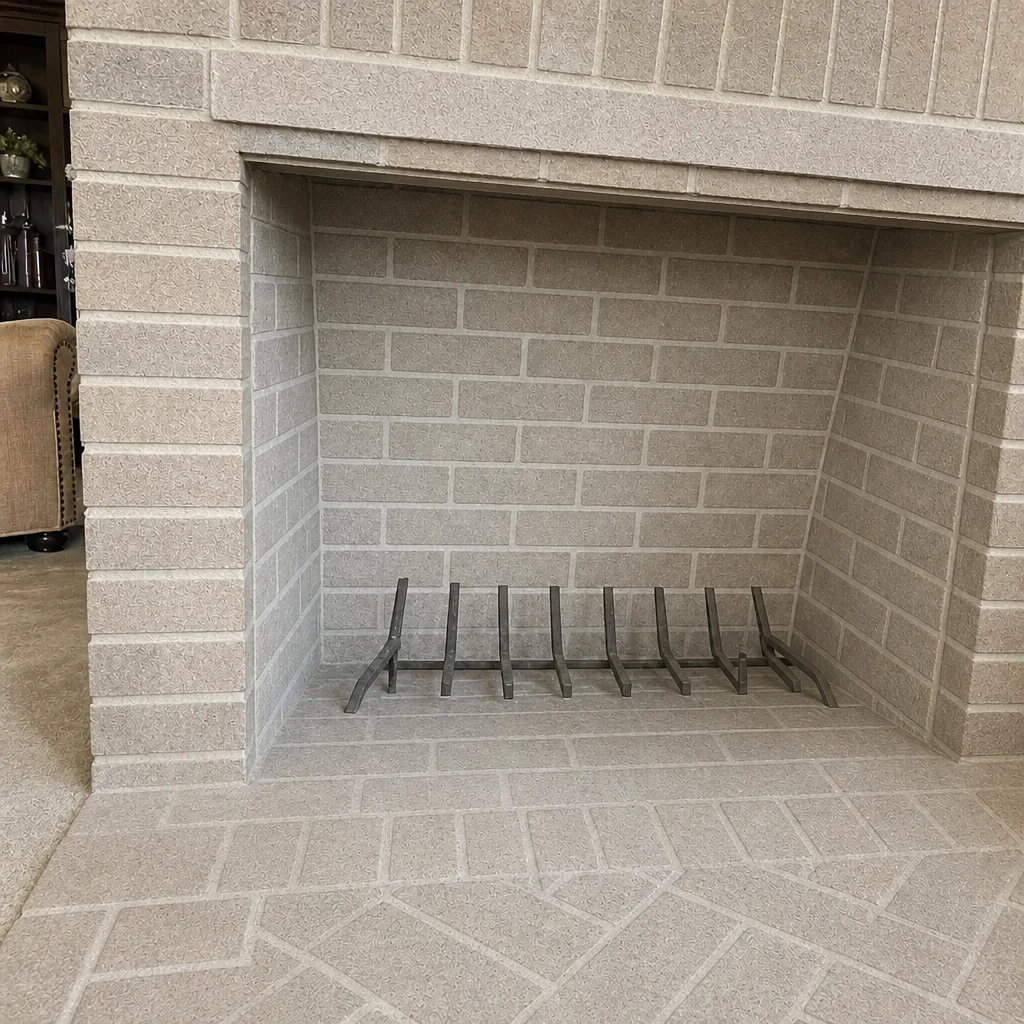
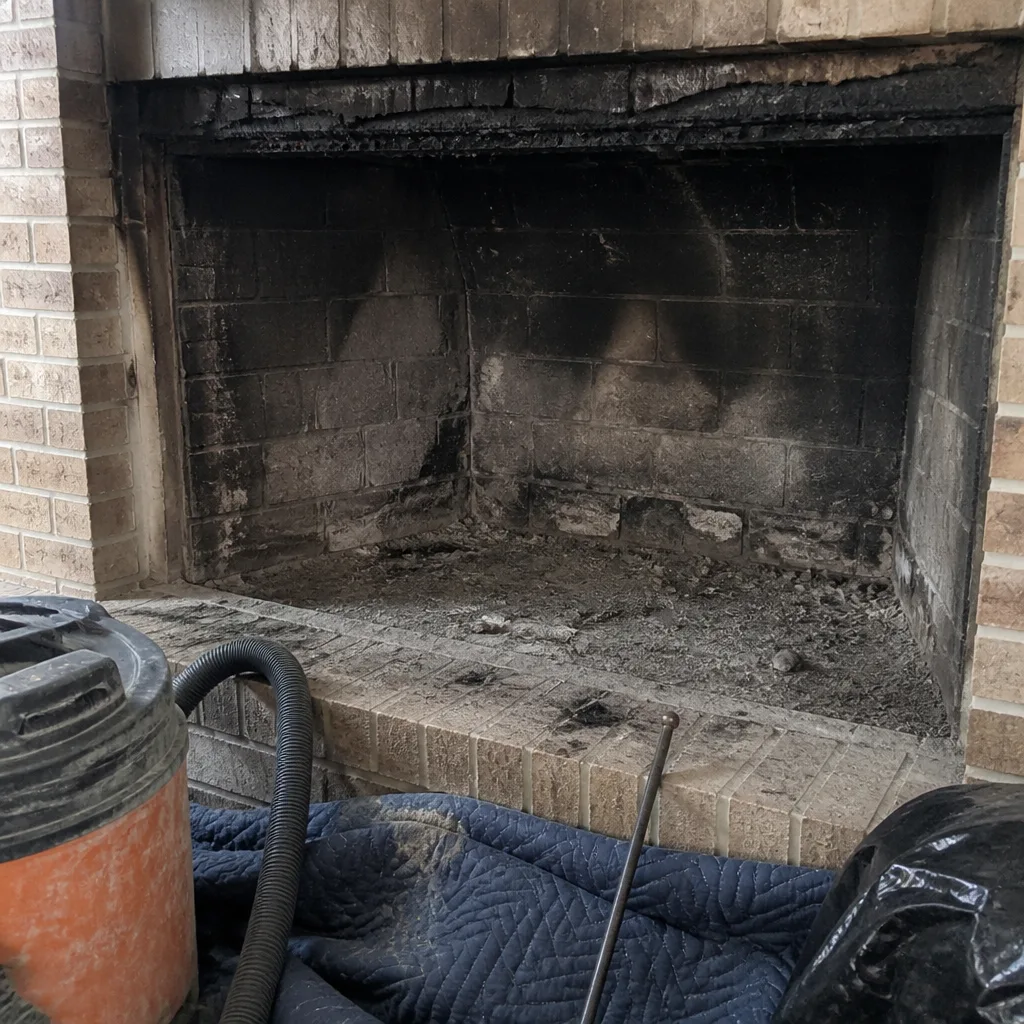
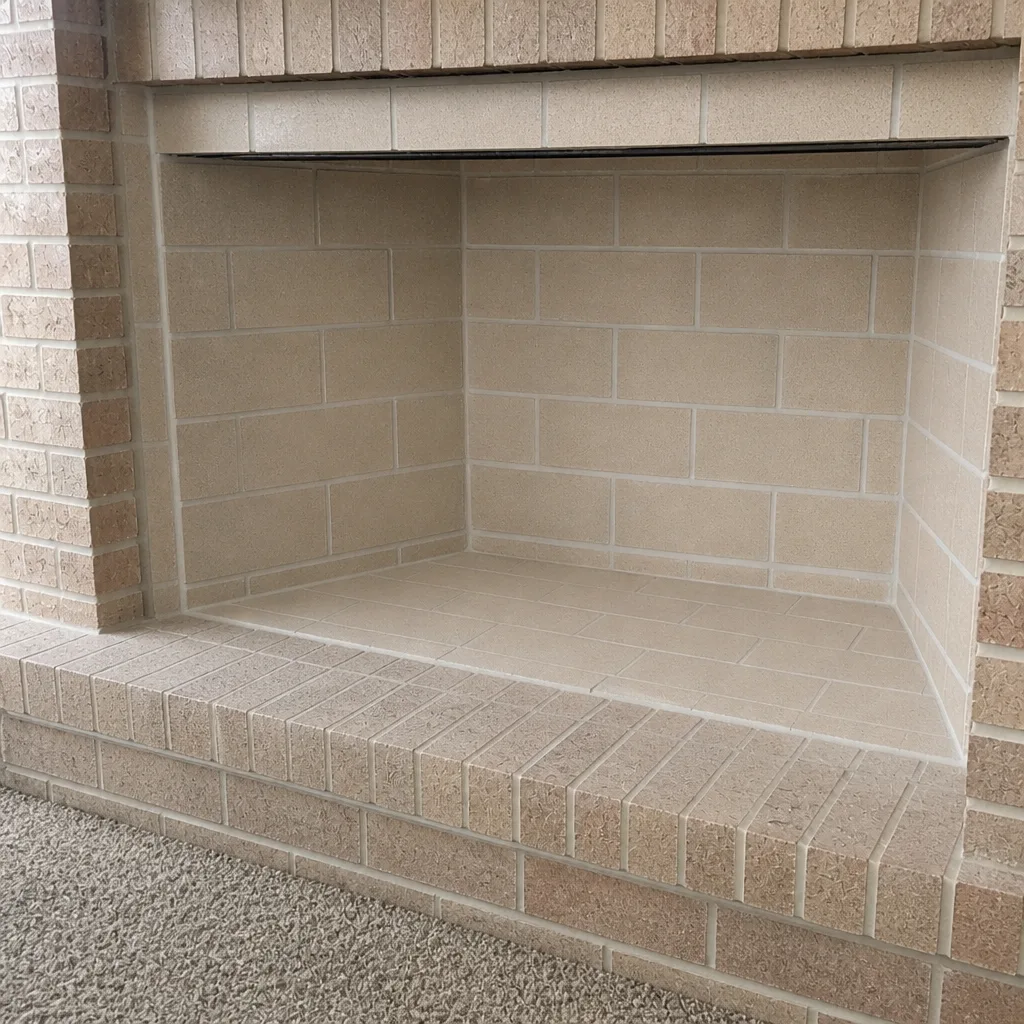
See the difference
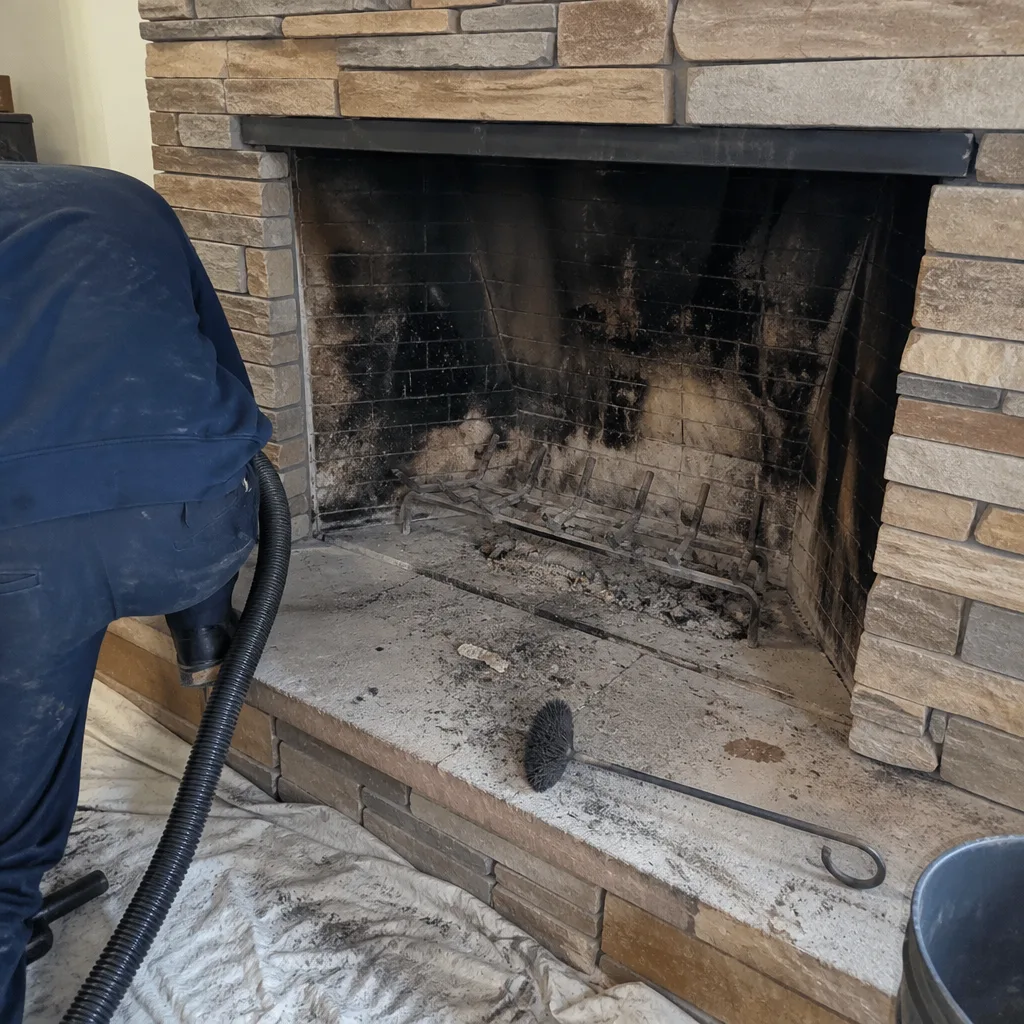 Before
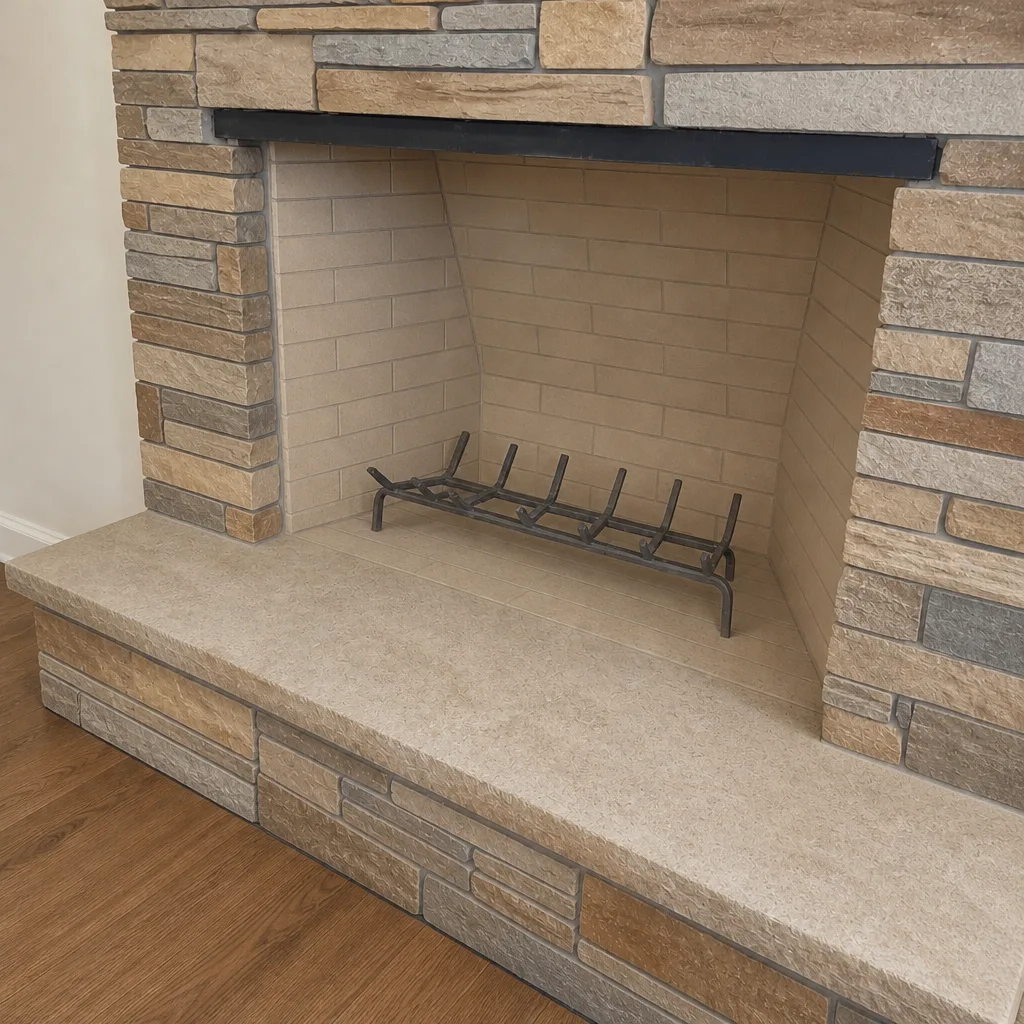 After
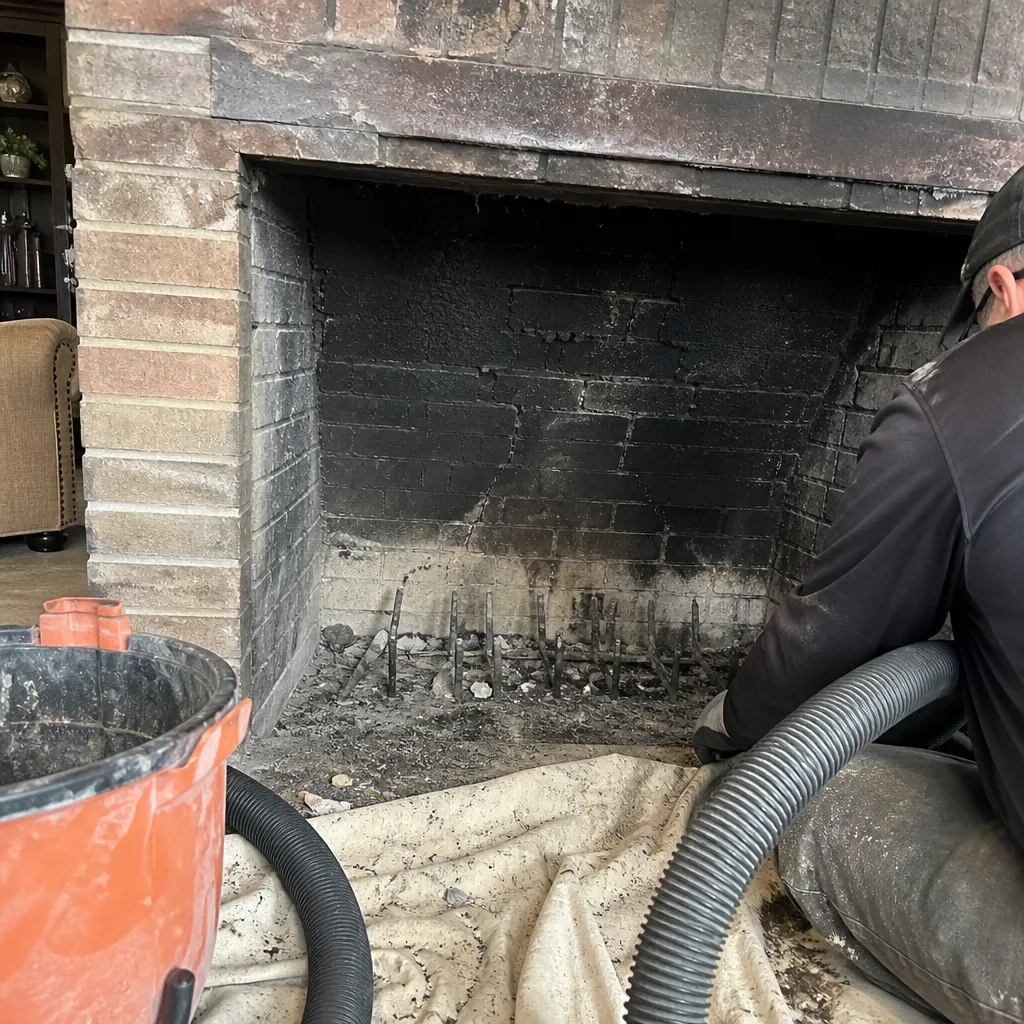 Before
 After
 Before
 After
When to Call a Professional
Call a professional before you burn for the season, not after. If you haven’t had the chimney inspected in a year or more, if you’ve moved into a new Highlands Ranch home and don’t know the chimney’s history, if you’ve had a chimney fire, or if you notice a change in draft, smell, or how the fireplace performs, that’s a reason to book. So is visible water damage near the cap or crown, or a masonry crack you can see from the ground. The risks are real – creosote buildup can fuel a chimney fire, and a blocked or cracked flue can let carbon monoxide into the home – but the reason to act is safety, not sales pressure. A trained professional can tell you what’s fine and what isn’t. Chimney Sweep Highlands Ranch offers free estimates in Highlands Ranch – call (855) 550-7361. We answer 24/7. Fast dispatch from 7am to 7pm, Sunday through Friday.
Frequently Asked Questions
A standard chimney sweep and inspection in Highlands Ranch is typically estimated per job based on the flue configuration, the level of inspection, and whether any repair is needed – the written estimate sets the final price, and the estimate itself is free. Ask for the scope in writing rather than a single number, because a coupon price that looks low often excludes the smoke chamber and camera inspection. Call (855) 550-7361 for an exact quote.
You need a new liner if, and only if, the inspection shows the existing one is cracked, deteriorated, or has gaps that compromise safety – and you should be able to see that evidence on camera. HeatShield ceramic flue resurfacing can restore a deteriorating liner in some cases without a full replacement, which is why an honest assessment matters. Nothing gets recommended without camera evidence you can see. Call (855) 550-7361 to book an inspection.
Once a year for a wood-burning fireplace in regular use, and more often if you burn heavily. In Highlands Ranch’s cold winters, the annual sweep and inspection is worth booking before burning season starts so the system is ready. Gas fireplaces need inspection too, even without creosote buildup. Call (855) 550-7361 to schedule yours.
Creosote accumulates in the flue with every fire, and enough of it can fuel a chimney fire; a blocked or cracked flue can also let carbon monoxide into the home. Skipping the annual check means those risks build up unseen. That’s a reason to act, but not a reason to panic – a professional can tell you clearly what’s fine and what needs work. Call (855) 550-7361 for an honest assessment.
No. CSIA covers chimney sweeping and inspection, while NFI covers fireplace and heating appliance work, broken down by appliance type. For a cleaning and inspection, look for CSIA; for fireplace or gas appliance repair, look for NFI. If your job spans both, ask whether the contractor holds both or can coordinate the right specialist. Call (855) 550-7361 with questions.
Yes. A standalone inspection should be available on its own, not bundled as a mandatory add-on to cleaning. Chimney Sweep Highlands Ranch offers inspection as an independent service so you know exactly what you’re paying for and why. Call (855) 550-7361 to book one.
The Bottom Line
Hiring a chimney contractor in Highlands Ranch comes down to verifying what the title doesn’t guarantee. Confirm CSIA or NFI certification depending on the work, insist on a level-two video inspection with footage you can see, and read the written estimate for specific line items rather than vague “cleaning and inspection” language. Expect the lowest bid to skip the liner and smoke chamber, and treat any repair recommendation without camera evidence as a reason to get a second look. A full-system specialist covers the firebox through the cap and crown, so you’re not hiring twice. From the firebox to the cap, we handle it in one visit – and we’ll tell you plainly when work can safely wait. For the full range of service, see Chimney Sweep Highlands Ranch.
Ready to book? Call Chimney Sweep Highlands Ranch at (855) 550-7361 for a free estimate. We answer 24/7. Fast dispatch from 7am to 7pm, Sunday through Friday.
Written by the team at Chimney Sweep Highlands Ranch.