
Last updated November 25, 2026
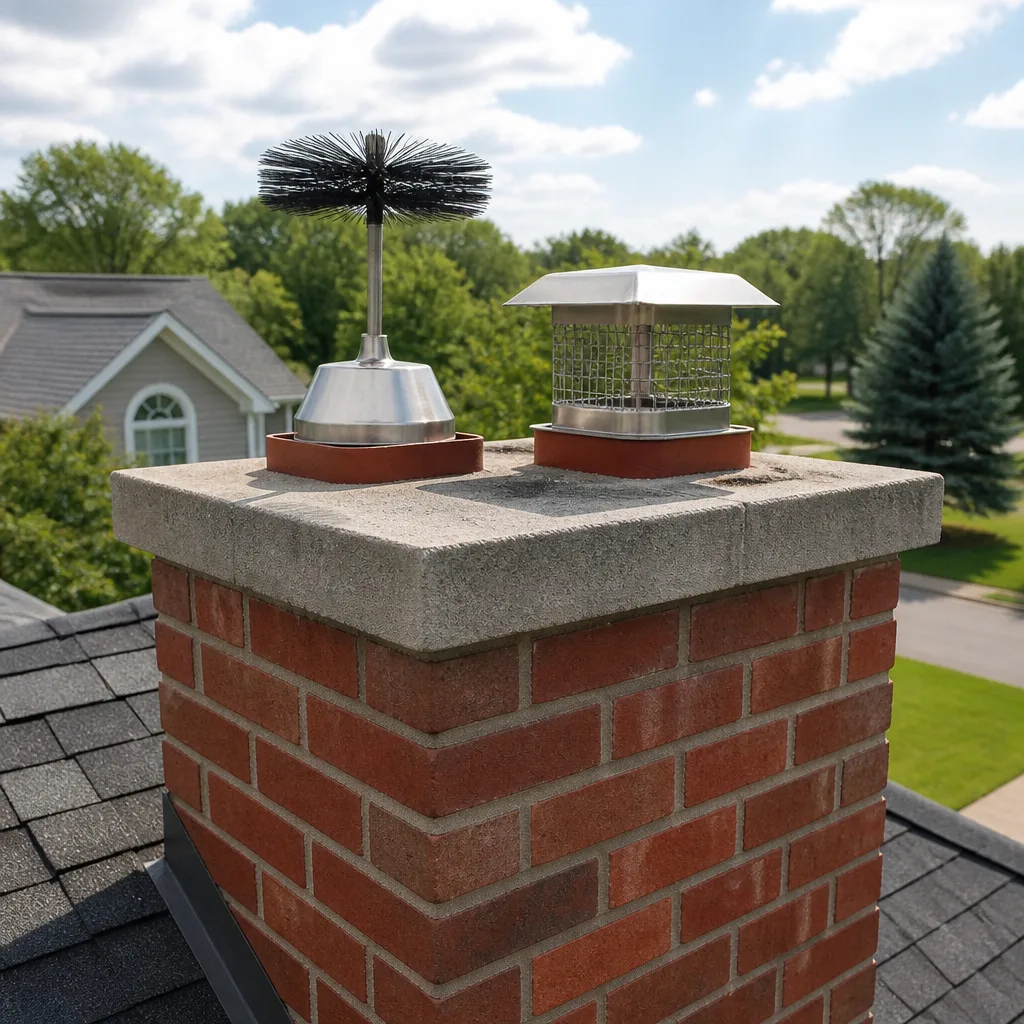 Sweep & inspection
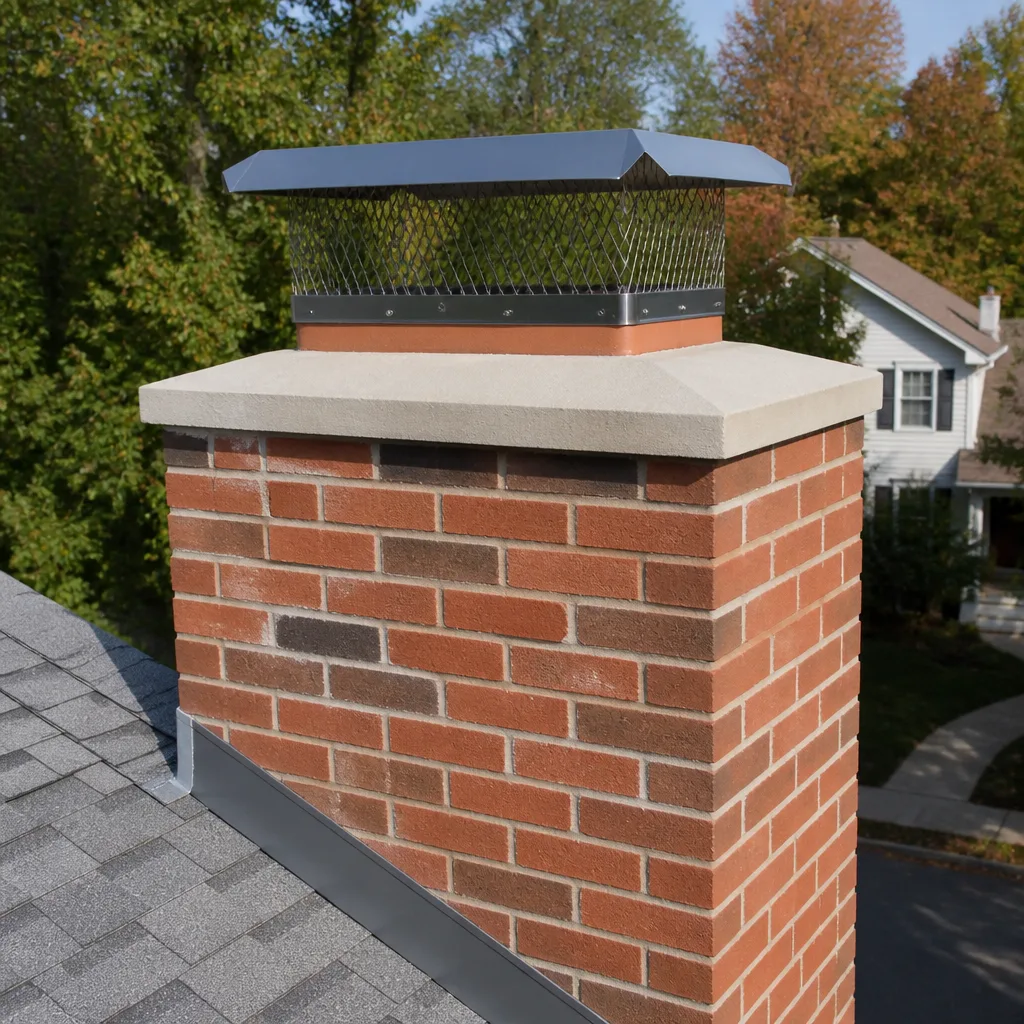 Caps & crowns
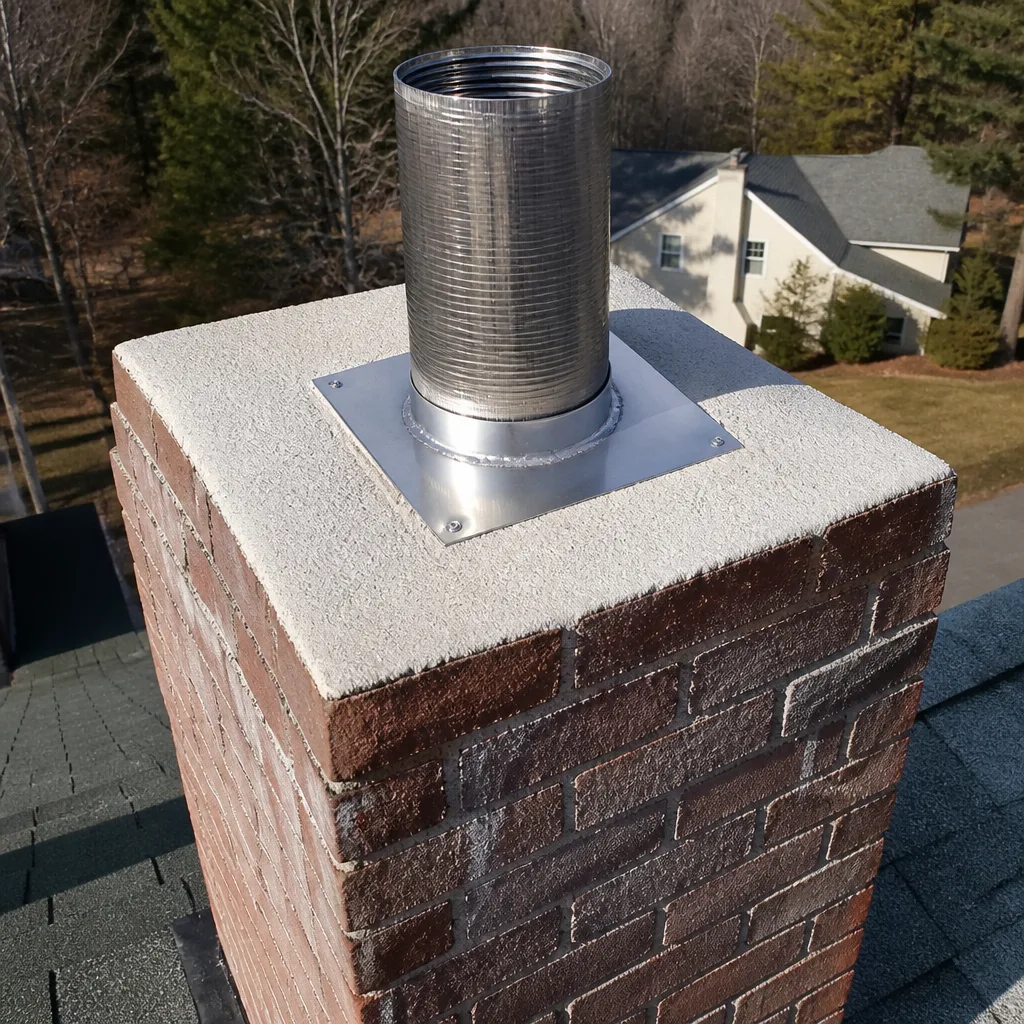 Flue relining
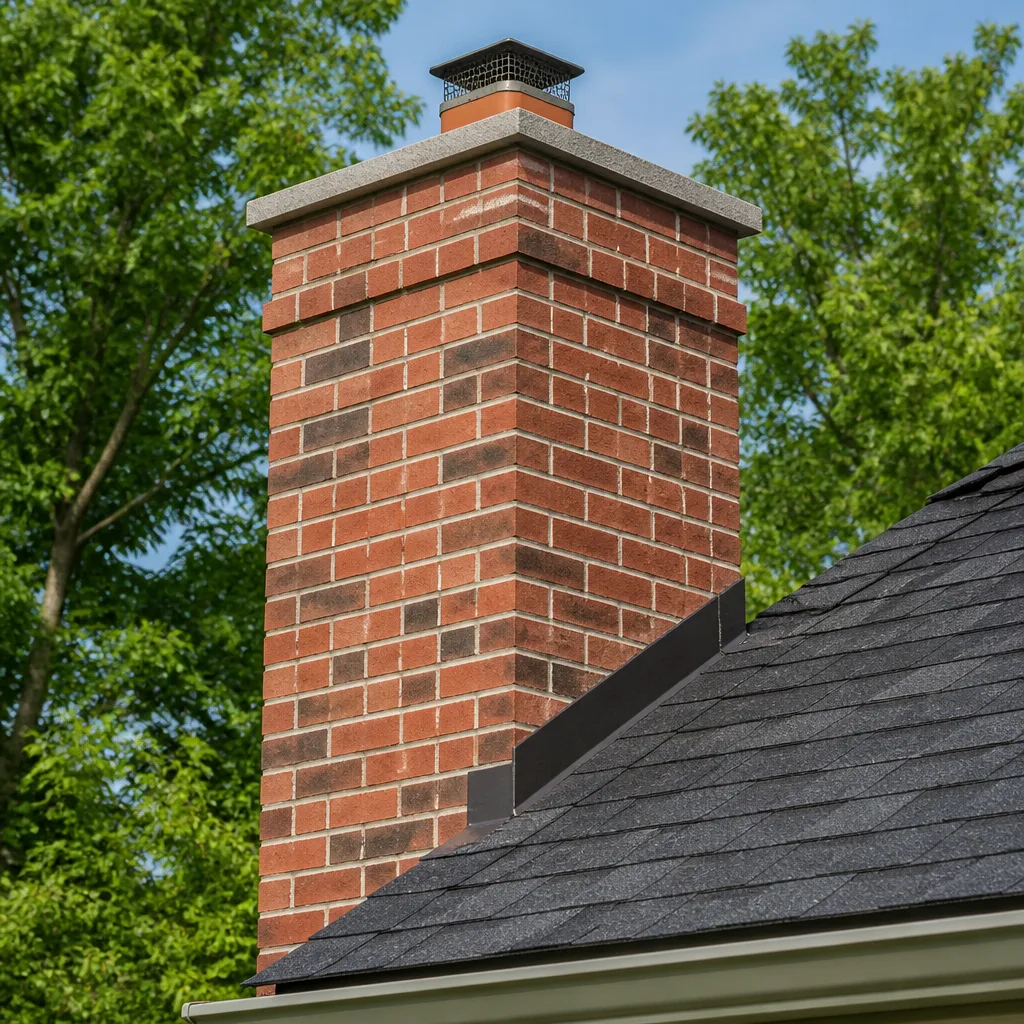 Masonry repair
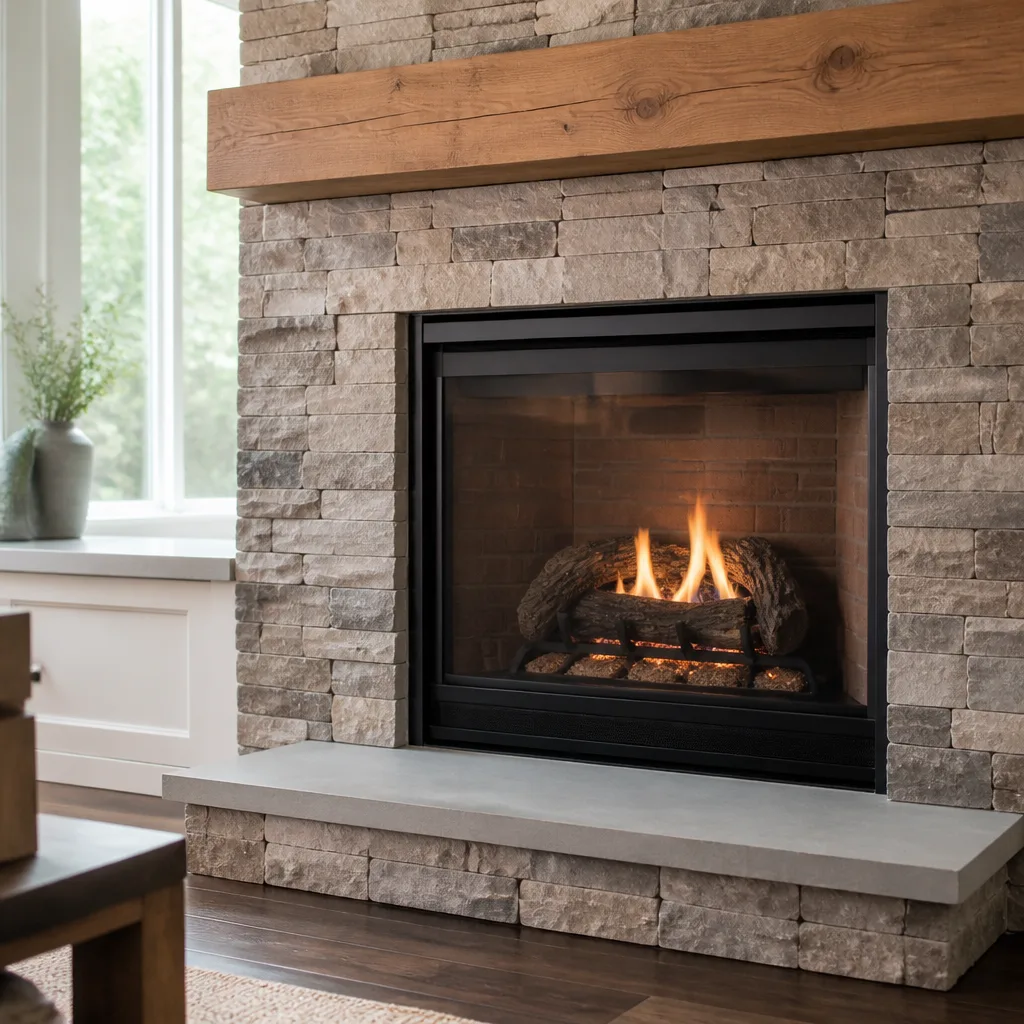 Gas fireplace service
Level 1 sweep and inspection to the NFPA 211 annual standard - flue, crown, cap, and flashing checked and photographed
Chimney sweep logs do not sweep chimneys. They loosen some creosote - which then falls where a brush and vacuum still have to collect it.
Chimney Cleaning Emergency Preparedness Guide for Highlands Ranch Homes
Chimney fires in Colorado cluster in the first cold snaps of October. Not because homeowners are careless, but because a fireplace sits dormant for six months and nobody looks up the flue before the first burn of the season. The smoke shelf holds last winter’s soot and whatever drifted down over summer, the damper is stiff, and the first fire gets lit before anyone has verified the chimney can handle it. This guide covers the three chimney emergencies that actually happen in Highlands Ranch homes – active chimney fire, carbon monoxide from draft failure, and sudden flue blockage – and what to do before, during, and after each. What you learn here is what you’ll wish you’d checked in September.
Quick Answer
A chimney emergency in Highlands Ranch is usually one of three events: a chimney fire, a carbon monoxide event from draft failure, or a sudden flue blockage from nesting debris or a collapsed liner. Each has a distinct response. For a suspected chimney fire, close the damper, get everyone outside, and call 911 from a safe distance – never throw water into a hot firebox. For a carbon monoxide alarm, evacuate immediately and call 911. For a blockage, stop using the fireplace and book a professional inspection before you light another fire. Most of these are preventable with a pre-season inspection and a cap check before the first fall burn.
Styles & brands we work with
- Sweep & inspection
- Caps & crowns
- Flue relining
- Masonry repair
- Gas fireplace service
Table of Contents
- The Three Chimney Emergencies Highlands Ranch Homeowners Actually Face
- What to Do in the First 60 Seconds of a Chimney Fire
- How to Tell a Chimney Fire from Normal Combustion Sounds
- Carbon Monoxide Emergencies from Draft Failure
- Sudden Flue Blockage: Wildlife, Debris, and Liner Failure
- The Pre-Season Prevention Checklist for Highlands Ranch Homes
- Post-Emergency Documentation and Why a Level III Inspection Matters
- When to Call a Professional
Why Highlands Ranch Chimneys Fail on Schedule
Highlands Ranch sits along the Front Range at roughly 5,900 feet, and that elevation changes how a chimney behaves. Combustion is less efficient at altitude because the air is thinner – a fire that drafts fine at sea level can smolder here, and smoldering fires deposit more creosote per cord of wood than an efficient burn does. Add a long dormant season from April through September and a very dry stretch of late summer, and you get a flue full of dry, glazed fuel just as the first real cold front arrives.
The other factor is the Front Range inversion. Cold air settles against the foothills on quiet winter nights, and a chimney whose flue is too short, too cold, or blocked can fail to establish upward draft. Instead of pulling smoke out, it pulls exhaust – including carbon monoxide – back into the living space. Inversions are common in Highlands Ranch and Douglas County through December and January, and they’re the reason draft failure is a real emergency here rather than a theoretical one.
The Three Chimney Emergencies Highlands Ranch Homeowners Actually Face
Not every chimney problem is an emergency, and treating them all the same leads to bad outcomes – either panic over a creosote glaze that can wait a week, or complacency about a blockage that can’t. In our experience working in Highlands Ranch, the emergencies cluster into three distinct types, each with its own warning signs and its own response.
1. Active Chimney Fire
A chimney fire is uncontrolled burning inside the flue, usually igniting the creosote that builds up on the walls of a wood-burning chimney. Symptoms include a loud roaring or popping sound, a hot chimney exterior, sparks or flames visible at the top, and dark smoke puffs. It’s the highest-severity scenario, and the response is immediate.
2. Carbon Monoxide Event from Draft Failure
This one is more insidious because there’s no visible sign. A blocked or underdrafted flue lets combustion gases spill back into the room instead of going outside. You may notice soot stains near the firebox, a smell of exhaust in the room, or – if you’re lucky – a CO alarm activation. Without an alarm, you may not notice anything until you or someone in the home feels unwell.
3. Sudden Flue Blockage
Blockages come from three places: nesting debris (birds, squirrels, and occasionally larger wildlife), a rusted or disconnected damper assembly, or a collapsed section of clay liner. In Highlands Ranch, the most common trigger is nesting material left behind over summer – especially if a chimney cap is missing or damaged – combined with loose soot dislodging on the first heavy burn.
What to Do in the First 60 Seconds of a Chimney Fire
In the first minute of a suspected chimney fire, your job is not to fight the fire – it’s to cut off its air, get everyone out, and get emergency services on the way. Smoke and flame can move quickly through an unstable flue, and the safest response is a controlled shutdown followed by immediate evacuation.
- Close the damper. If it closes cleanly, cutting the air supply starves the fire of oxygen and slows it dramatically. Do it before anything else. If the damper is stuck or the handle is too hot to touch, don’t force it – move to the next step.
- Get everyone out of the house. Including pets. Use a door away from the chimney side of the structure if you can.
- Call 911 from outside. Tell the dispatcher you have a suspected chimney fire and give your address. Fire departments respond to these routinely – they’re not going to think you overreacted.
- Wait for the fire department. Don’t re-enter to check on the fire. Don’t move vehicles blocking access. Don’t try to put out a fire inside the flue.
What Not to Do During a Chimney Fire
- Don’t pour water into the firebox or down the flue. Water hitting a firebrick firebox at combustion temperatures can crack it. Water down a hot flue can shatter a clay liner and shower the interior of your chimney with fragments. It can also generate a violent burst of steam that pushes smoke and embers back into the room.
- Don’t try to climb up and cap the flue. The temperature at the top of an active chimney fire can be extreme, and nobody should be on that roof.
- Don’t close windows in an attempt to starve the fire. You may need every exit available, and closing a window doesn’t starve a chimney fire the way a closed damper does.
- Don’t re-light the fireplace after it’s over. Not until a certified inspection has confirmed the flue is structurally intact. More on that below.
If you think you may have a chimney fire in progress, call 911 first. Then, once it’s out and the house is safe, call (855) 550-7361. We answer 24/7. Fast dispatch from 7am to 7pm, Sunday through Friday. A chimney repair assessment after a fire requires a Level III inspection, which is beyond the scope of a routine callout – but we’ll get you on the right path.
How to Tell a Chimney Fire from Normal Combustion Sounds
A healthy fireplace is not quiet. Wood pops and cracks as it burns, the firebox has an audible rumble, and a well-drafting flue sometimes hums. A chimney fire, though, has its own set of signatures – and they’re distinctly different from the sounds of combustion inside the firebox.
The key distinction: normal burning happens in the firebox, where you can see it. A chimney fire happens up inside the flue, above and behind the firebox, where you can’t. That’s how you separate the two.
Audio Indicators of Active Burning in the Flue
- A low, sustained roar – similar to a distant jet engine or a wind tunnel – coming from inside the chimney. Not the crack of a log shifting.
- Popping or tapping that sounds like small objects hitting metal, coming from above the firebox rather than inside it. This can be creosote igniting in sheets.
- A rushing sound that doesn’t match the flames you can see. If the fire looks calm in the firebox but the chimney sounds like a furnace, trust the sound over the visual.
Visual Indicators Up the Chimney
- Sparking or flames visible at the chimney cap from outside.
- Dense smoke or a haze of hot gas issuing from the top of the chimney when the fire in the firebox looks normal.
- The chimney exterior feels dangerously hot to the touch – hotter than a normal stovepipe, especially on the metal chase of a prefab system.
- Soot flakes or creosote debris falling into the firebox or appearing on the roof.
When in doubt, treat it as a chimney fire. There’s no penalty for closing the damper, exiting the house, and calling 911 on a fire that turns out to be a normal burn. There is a real penalty for the opposite – waiting ten minutes to see if it “settles down” while a creosote fire builds inside a flue you can’t see.
Carbon Monoxide Emergencies from Draft Failure
Carbon monoxide is the emergency most likely to go unnoticed in a Highlands Ranch home. It’s odorless, colorless, and produces early symptoms that look a lot like altitude fatigue or a head cold – headache, nausea, dizziness, confusion. Long before that, the cause is often a chimney that stopped drafting properly.
The Inversion Effect
On cold nights along the Front Range, a layer of cold air can settle over Highlands Ranch and the surrounding Douglas County foothills. Warm exhaust wants to rise out of the flue, but cold air pressing down from above fights it. If a chimney’s draft is already marginal – a short flue, a cold flue that hasn’t warmed up, a flue with a partial blockage – the exhaust has nowhere to go but back into the room.
Draft failure shows up in specific ways:
- Smoke rolling back into the room when you light a fire, or after the fire has been burning a while.
- A distinct smell of exhaust in the room, even with the fireplace out.
- Soot staining on the fireplace face, the wall above the firebox, or the ceiling near the chimney.
- A CO detector triggering with the fireplace in use or recently shut down.
What to Do During a Carbon Monoxide Alarm
- Get everyone outside. Fresh air, right away. Don’t stop to open windows or find the source.
- Call 911 from outside. Tell them a CO alarm has activated and there may be combustion appliances in the home.
- Account for everyone and pets. Don’t re-enter until the fire department clears the home.
- Once cleared, don’t relight the fireplace until a professional has inspected the chimney and confirmed draft and structural integrity.
Where Your CO Detector Belongs
CO detectors need to be near bedrooms – that’s the standard placement to protect sleeping occupants. What many homeowners miss is a second detector closer to the fireplace or the room the fireplace serves, especially in a finished basement or a living room with the chimney running up the interior wall. Highlands Ranch homes often have open floor plans where a fireplace on the main level shares air with the upper-level bedrooms, and a single detector near the bedrooms may pick up a spill later than a detector on the fireplace level would. Add one on the fireplace level if you don’t already have one.
Sudden Flue Blockage: Wildlife, Debris, and Liner Failure
A blockage is the quietest of the three emergencies. You’ll sometimes get a clear warning sign on the first burn – smoke pushing into the room, a fire that won’t draw, a strong smell of soot – and sometimes you won’t notice anything until a heavy burn produces a spill of smoke that makes you evacuate. Neither scenario is safe to keep using the fireplace through.
What Blocks a Highlands Ranch Flue
- Nesting material. Over the warm season, birds, squirrels, and occasionally chimney swifts nest in open flues. The nest itself is combustible, and it’s often built on top of existing soot deposits.
- Fallen leaves and needles. Highlands Ranch sits near pine and scrub oak, and a missing or loose chimney cap lets debris drop straight down the flue through the year.
- Damaged or detached damper. A rusted damper that drops out of place can block the flue opening.
- Collapsed liner section. Older clay tile liners can crack and shed fragments into the flue, and this is one of the cases where resurfacing with HeatShield is worth considering instead of a full tear-out and reline.
What to Do When You Suspect a Blockage
- Put the fire out if it’s burning. Close the damper if you can and let it cool. Do not keep burning.
- Open a window on the fireplace level to help clear smoke from the room, and get vulnerable occupants – children, elderly, anyone with respiratory issues – into fresh air if smoke has entered.
- Don’t try to clear the flue yourself. A visual inspection from the firebox up won’t show you what’s above the damper, and running a rod up an unfamiliar flue can make things worse.
- Book an inspection before the next burn. A standalone chimney inspection – which we offer separately from cleaning, not as a mandatory add-on – will identify the cause with camera evidence so you can see it yourself.
Once we’re on site, a blockage is usually a one-visit solve. If the fix turns out to be a damaged liner section that needs relining, we stock and install components from DuraFlex, Olympia Chimney, and Gelco – brands specified by chimney professionals rather than consumer retail channels. That’s what closes the gap between “inspection found a problem” and “chimney is safe again.”
The Pre-Season Prevention Checklist for Highlands Ranch Homes
Most chimney emergencies we see in Highlands Ranch aren’t freak events – they follow a pattern anyone can interrupt with a short list of actions done in September or early October, before the first cold snap. This checklist is the one we’d recommend to any homeowner who uses their fireplace regularly, wood-burning or gas.
- Inspect the smoke shelf. The smoke shelf is the ledge behind the damper that redirects smoke up the flue. Soot, cobwebs, and debris collect there over the off-season, and a clogged smoke shelf is one of the most common reasons a first fall burn smokes into the room.
- Verify the chimney cap. A chimney cap keeps water, birds, and debris out. If the cap is missing, rusted through, or sitting loose, it’s the single cheapest fix that prevents the widest range of problems. We install and replace caps from Famco and Olympia Chimney as one of our five core services.
- Confirm CO detector placement. One near each sleeping area is the baseline. If your fireplace is on a level without its own detector, add one. Test every unit – replace the batteries at the same time each fall.
- Check for a flue blockage before first burn. Stand in front of the firebox with the damper open. If you can’t see daylight at the top of the flue, something is between you and the sky. Don’t burn until it’s cleared.
- Book a professional sweep or inspection. A proper chimney sweep before the season clears the flue and lets a technician confirm the liner, damper, and cap are in usable condition. If you haven’t had the chimney looked at in a season or more, book an inspection as well – they’re offered separately so you’re not paying for a bundle you don’t need.
- Check the damper operation. It should open and close fully and sit flat against the frame. A damper that sticks or doesn’t seat is both a draft problem and an emergency-response problem, because you need it to work in the first 60 seconds of a fire.
- Clear the roof area around the cap. Pine needles, leaves, and branches near the chimney cap drop into the flue when the wind blows. A quick clear-out before the season prevents debris from accumulating.
Post-Emergency Documentation and Why a Level III Inspection Matters
After any chimney fire, the chimney needs a Level III inspection before the fireplace is used again. Not a Level I visual check – a Level III inspection, which involves accessing concealed areas of the chimney, often with camera equipment, to determine whether the flue liner, adjacent framing, and chase have sustained heat damage. A chimney fire can compromise a flue without any exterior sign, and relighting the fireplace on a damaged liner is how a contained fire becomes a house fire.
What to Photograph Before Cleaning Anything
Before any cleanup, photograph and document what you see. Insurance adjusters want evidence that’s been captured before remediation begins.
- Exterior of the chimney from the ground – all visible faces, including the cap and crown.
- The firebox interior, wide and close-up, including any firebrick cracking or damage.
- Any soot staining on the wall, ceiling, or face of the fireplace.
- The top of the chimney from above if it’s safely accessible – photographed from ground or from a ladder base, never by climbing on an active or recently active chimney.
- Damage to any adjacent structure – roof, siding, interior wall, or ceiling.
- A screenshot of the CO alarm reading if one went off.
What to Tell Your Insurance Adjuster
Keep the report factual. Date and time of the incident, what you observed (sounds, visible sparks, CO alarm activation), what actions you took (damper closed, 911 called, evacation), and the fire department’s response. Attach your photographs and any fire department incident report. Then attach the Level III inspection report once it’s complete – most adjusters require it before approving chimney or liner damage claims. We can work with your insurer on that documentation side once the inspection is done.
If you’ve just had a chimney fire, don’t relight the fireplace. Book an inspection first. Call (855) 550-7361. We answer 24/7. Fast dispatch from 7am to 7pm, Sunday through Friday.
Common Mistakes to Avoid
- Lighting a fire without checking the flue. A flue that worked last April may have a squirrel nest in it by October. Always verify from the firebox that you can see through to daylight at the cap before the first burn of the season.
- Treating a CO detector battery chirp as an emergency. The low-battery chirp is different from the full alarm – one is an annoyance, the other is a get-out-of-the-house event. Know which your unit produces before the season starts so you don’t panic over the wrong sound.
- Burning wet or green wood because it’s what’s on hand. Highlands Ranch’s dry season makes seasoned wood easy to find. Wet wood produces more creosote per burn and makes a chimney fire more likely, especially early in the season when the flue is cold.
- Relying on a smoke detector instead of a CO detector. Different emergencies, different devices. A smoke detector won’t warn you about carbon monoxide from draft failure, and a CO detector won’t warn you about a fire on the roof.
- Running a “cleaning log” or creosote-sweeping log instead of a real sweep. Chemical logs and creosote-log products can soften glazed creosote, but they don’t remove it. Only mechanical sweeping and inspection will tell you the flue is clear.
- Assuming a gas fireplace doesn’t need inspection. Gas fireplaces still have a flue or venting system, and those need checking. CO from a blocked gas vent is a real scenario, and the same draft-failure risk applies.
- Waiting out a chimney fire to see if it stops. A chimney fire in a blocked or degraded flue can burn for minutes before the signs are unmistakable from inside the house. Any combination of roar, tapping, and external heat is cause to act, not to observe.
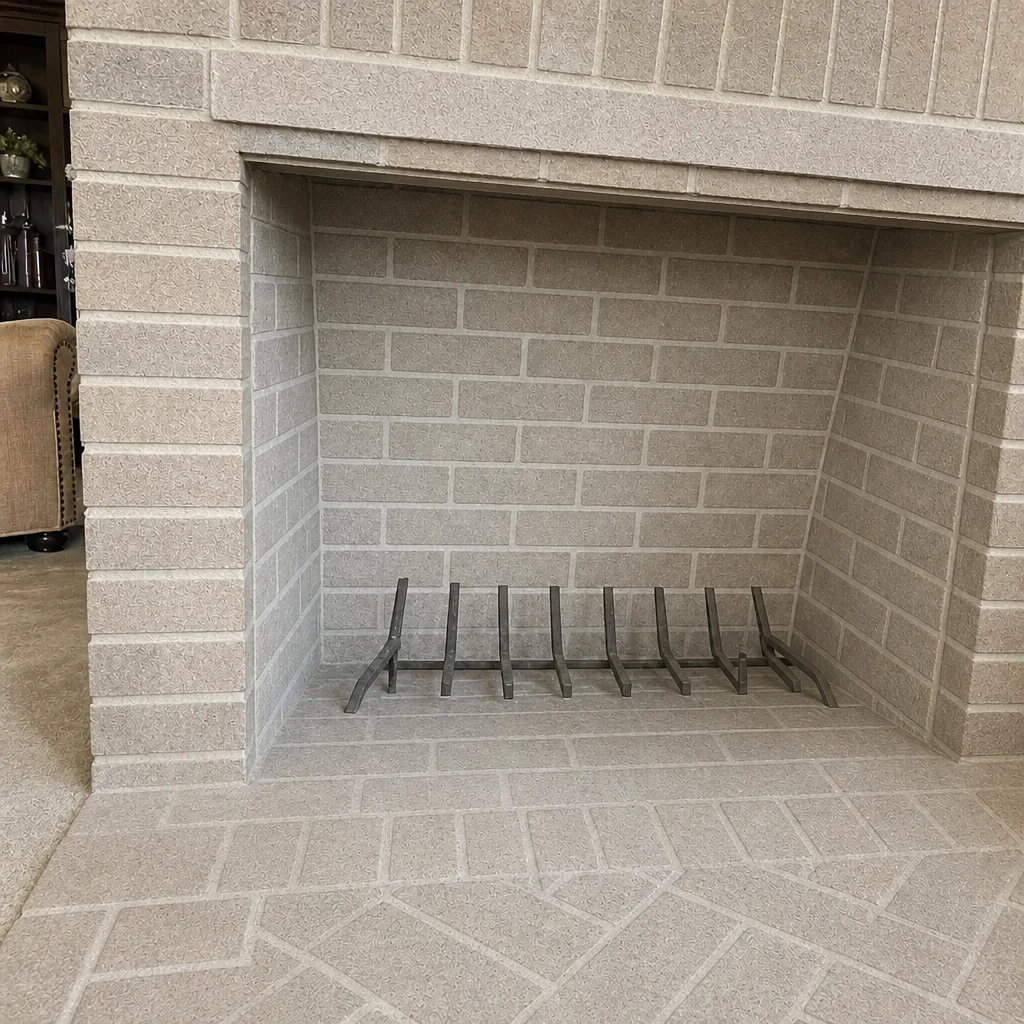
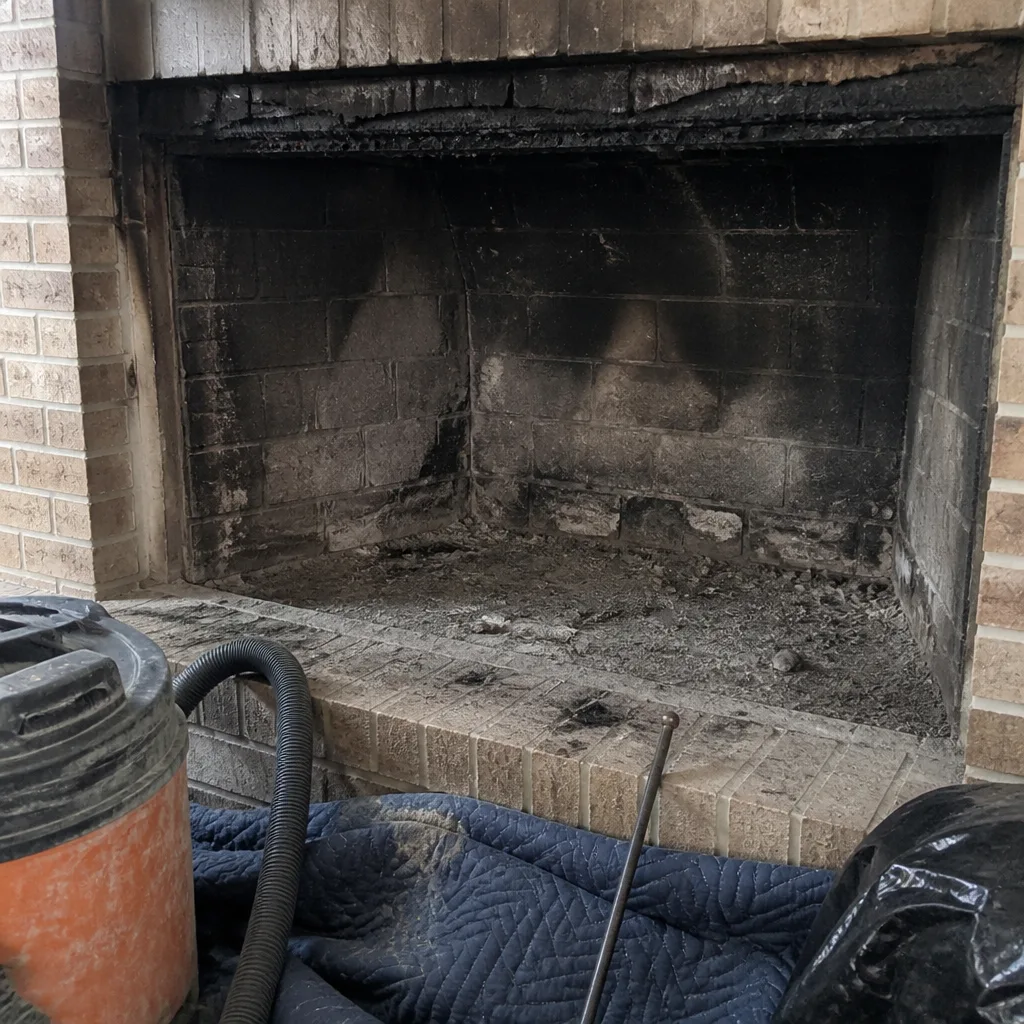
See the difference
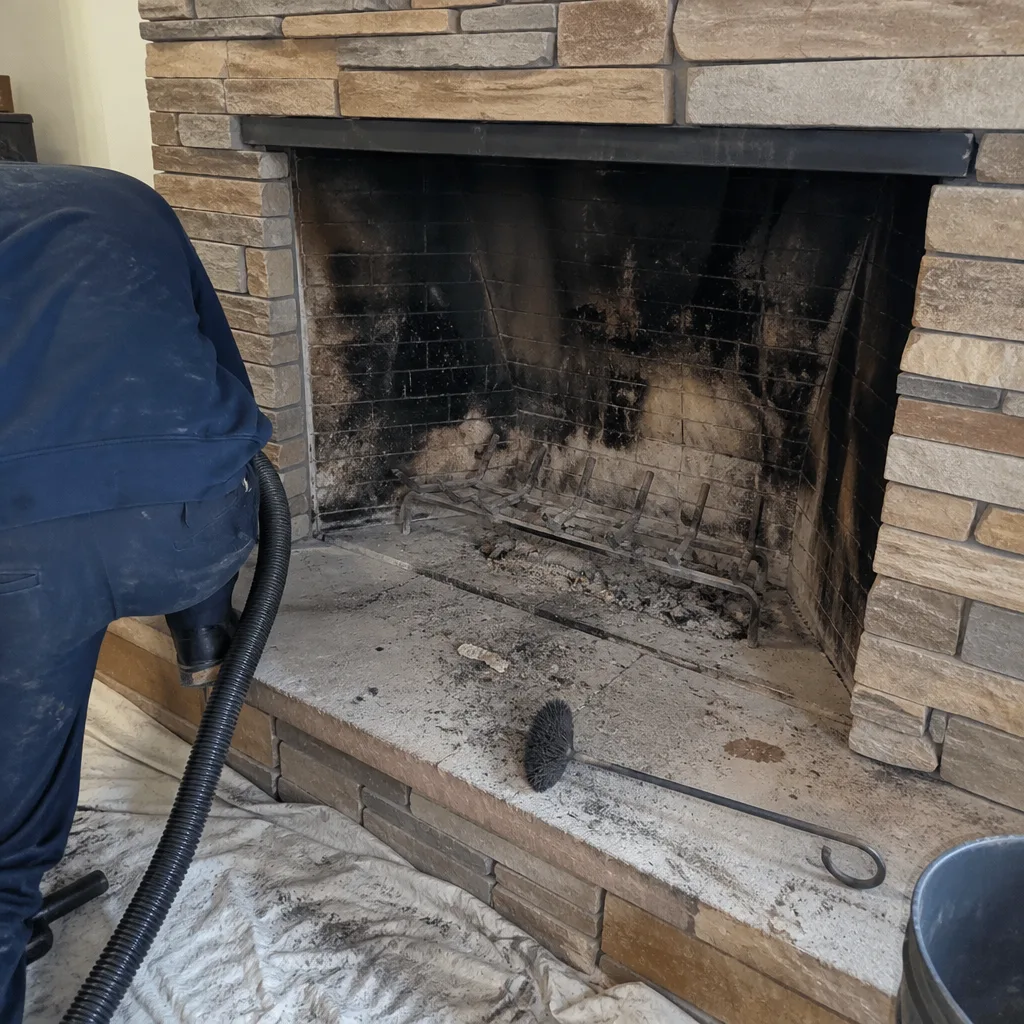 Before
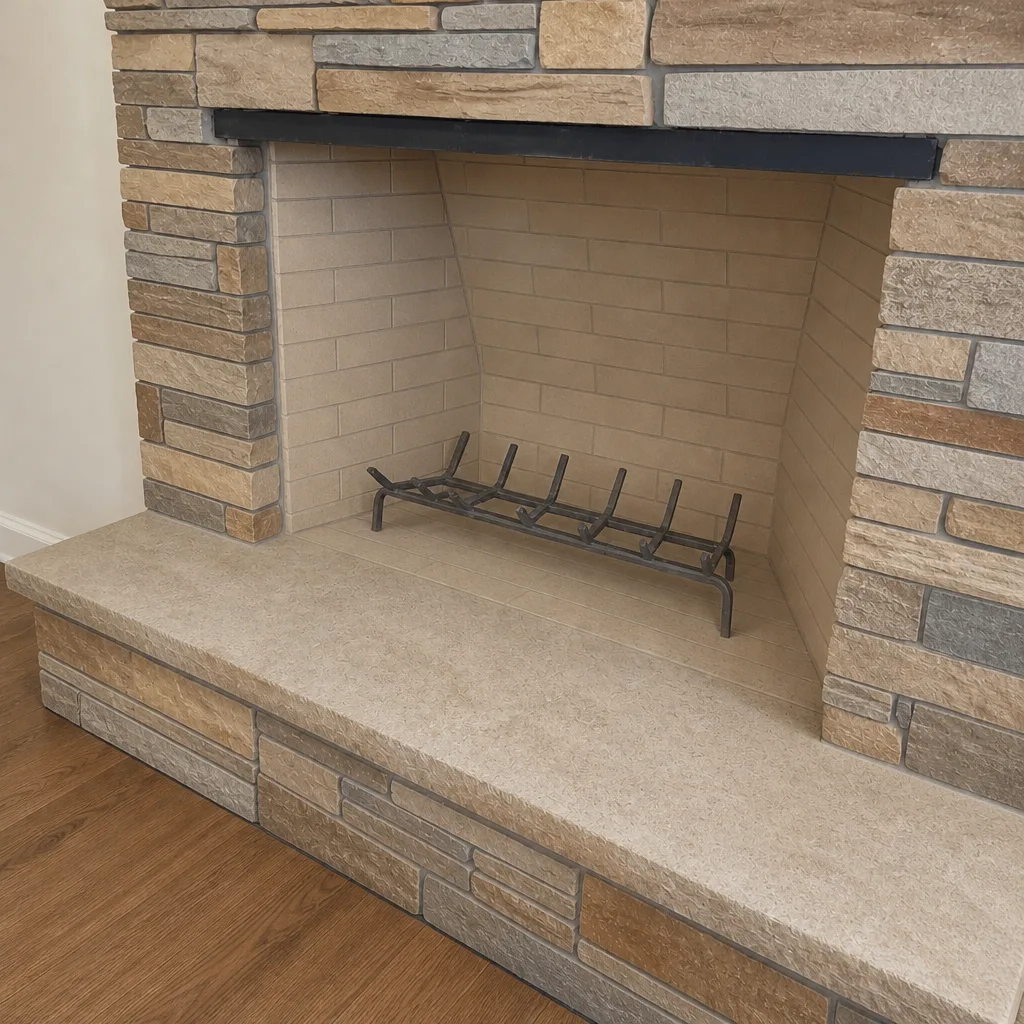 After
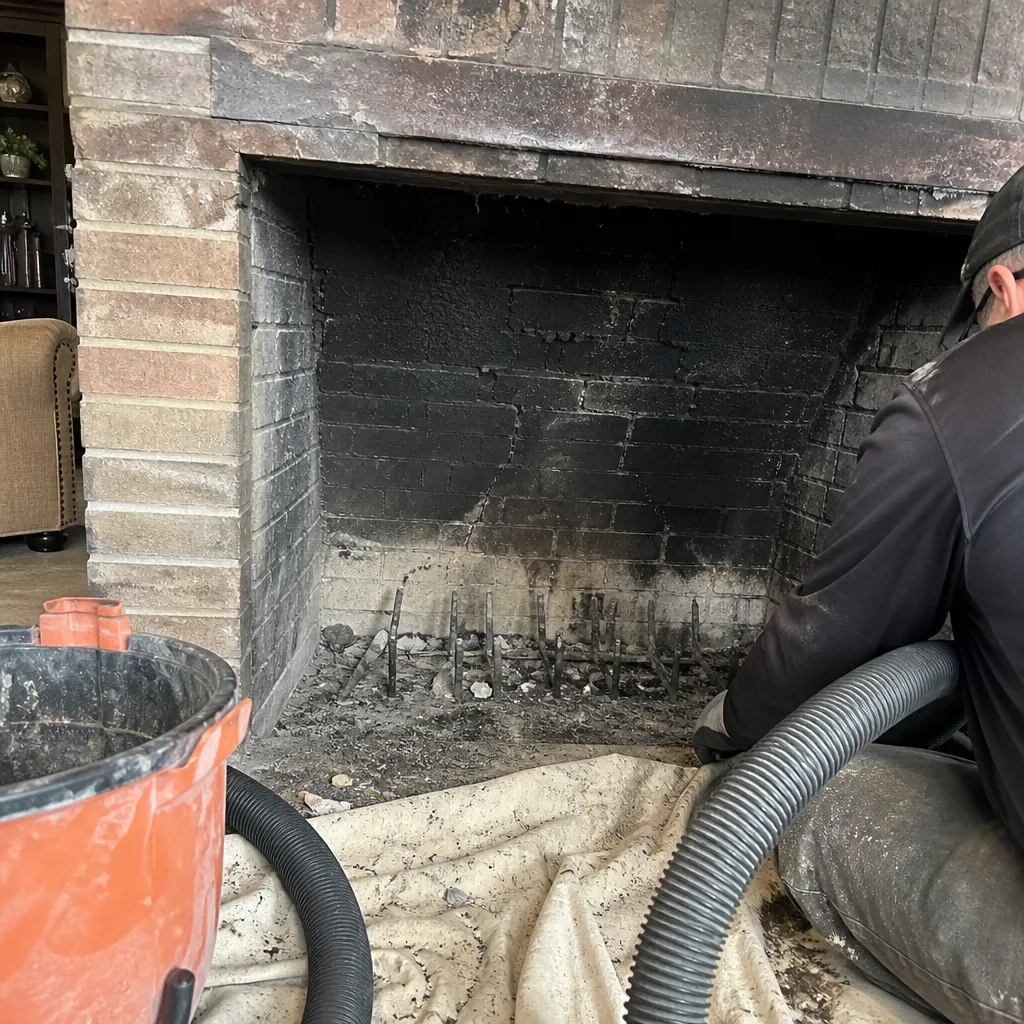 Before
 After
 Before
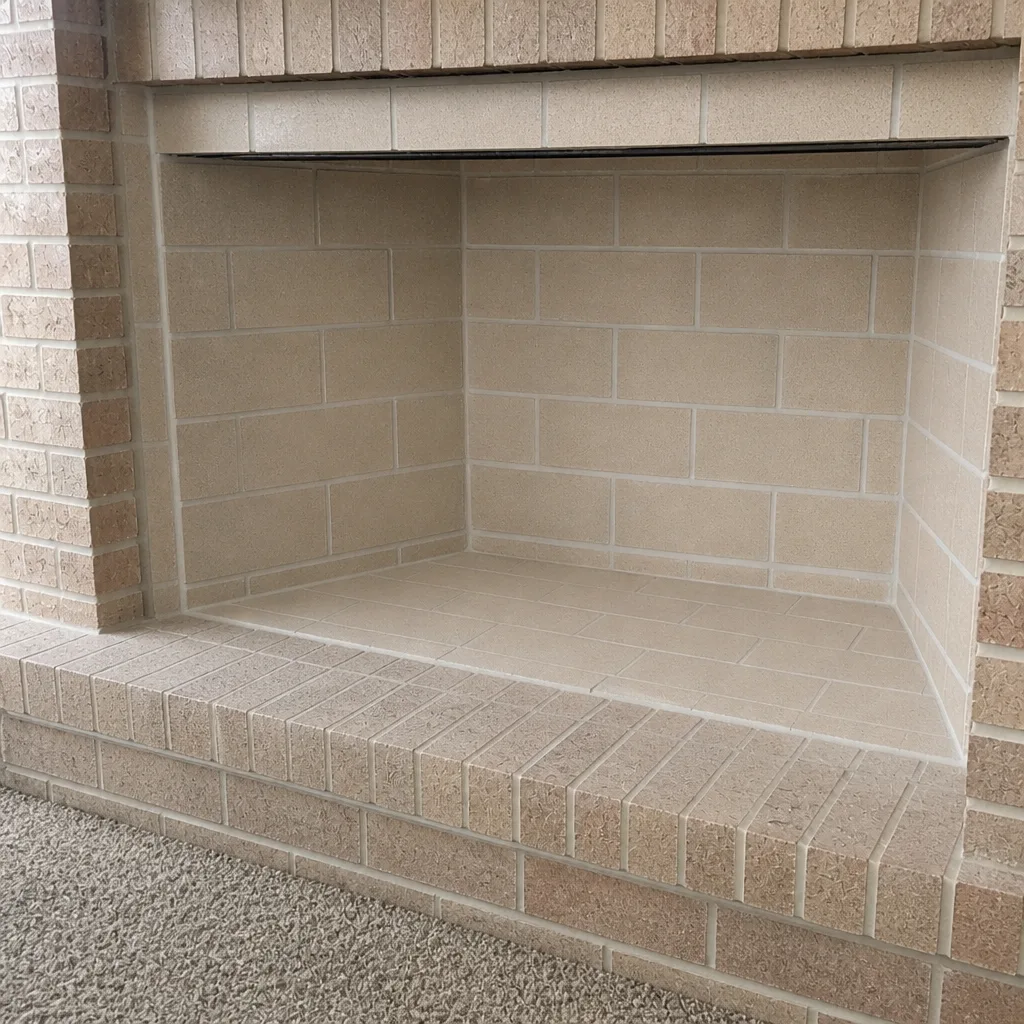 After
When to Call a Professional
Book a professional inspection any time you’ve had a chimney fire, a CO alarm activation, or a burn that pushed smoke into the room. Book a sweep if the last one was more than a season ago or if you’ve burned more than a cord since. Book a repair visit if the cap is missing or damaged, the damper doesn’t seat, or you’ve noticed soot stains or water intrusion – which we handle as one of our five services alongside chimney sweep Highlands Ranch, fireplace repair, and inspection. And book a standalone inspection if you’re buying a Highlands Ranch home with a fireplace, or if you’ve never had one performed and want to know what you’re working with before you light another fire.
Chimney Sweep Highlands Ranch offers free estimates in Highlands Ranch – call (855) 550-7361. We answer 24/7. Fast dispatch from 7am to 7pm, Sunday through Friday. Our technicians have up to 12 years of experience, and we work from a fixed portfolio of professional-grade brands – DuraFlex, HeatShield, Gelco, Olympia Chimney, Famco, and Copperfield – because that’s what the trade specifies, not what’s convenient.
Frequently Asked Questions
Close the damper, get everyone out of the house, and call 911 from outside. Don’t pour water into the firebox or down the flue, and don’t go on the roof. Once the fire department has cleared the scene, do not relight the fireplace until a Level III inspection has confirmed the flue is structurally intact.
A chimney fire produces a low sustained roar, popping, or tapping from above the firebox rather than inside it, along with external heat on the chimney and possibly sparks at the cap. Normal combustion is louder in the firebox and more visual at the flames. If you can’t tell – treat it as a chimney fire, close the damper, evacuate, and call 911.
Sweep before the start of every heating season if you burn wood regularly, and at least once per season even with moderate use. Dry Front Range conditions and low-efficiency burns at altitude build creosote faster than many homeowners expect. An annual pre-season sweep plus inspection is the baseline most chimney professionals recommend.
Yes. A Level III inspection accesses concealed areas of the chimney – often with camera equipment – to confirm the flue liner, adjacent framing, and chase are undamaged. A standard visual check can miss heat damage inside the chimney, and using the fireplace on a damaged liner is unsafe. Call (855) 550-7361 to arrange an inspection.
At minimum, near every sleeping area. Add one on the same level as the fireplace, especially if the fireplace shares air with upper-level bedrooms. Test every unit at the start of each heating season, and replace batteries on the same schedule.
Not necessarily, but it needs investigation. A gas fireplace with no visible flame, a smell of gas, or a CO alarm activation is an emergency – evacuate and call 911. If the fireplace won’t light but there’s no smell and no alarm, that’s a repair call, not an emergency. Call (855) 550-7361 for a fireplace repair assessment.
The flue. Open the damper and look up from the firebox – you should be able to see daylight at the cap. If you can’t, something is blocking the flue and it needs to be cleared before you burn anything.
If it’s missing, rusted through, or sitting loose, yes – a cap is the cheapest fix that prevents water intrusion, debris blockages, and animal nesting. We install and replace caps as part of our cap and crown service. Call (855) 550-7361 for a free estimate.
The Bottom Line
Chimney emergencies in Highlands Ranch fall into three patterns – chimney fire, CO from draft failure, and blockage – and almost all of them are prevented in September rather than handled in October. Inspect the smoke shelf, verify the cap, test the CO detectors on the fireplace level, and confirm the flue is clear before the first burn. If you’ve had an emergency, don’t relight until a Level III inspection is done. If you’ve skipped a season, book a sweep and inspection before the cold snap. A chimney is a system – every component affects fire safety, and the difference between a routine season and an emergency is usually a half hour of checking in the fall.
Call (855) 550-7361 for a free estimate. We answer 24/7. Fast dispatch from 7am to 7pm, Sunday through Friday.
Written by the team at Chimney Sweep Highlands Ranch.