
Last updated November 25, 2026
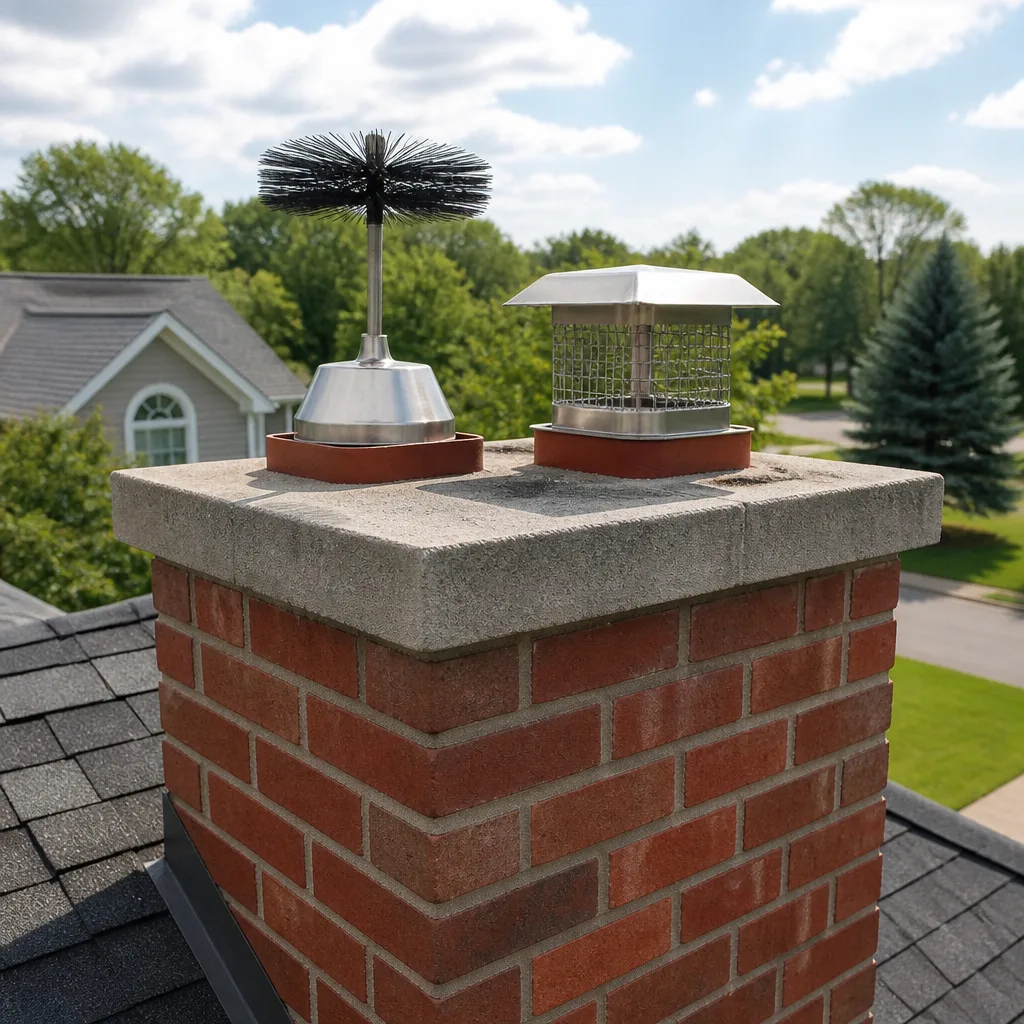 Sweep & inspection
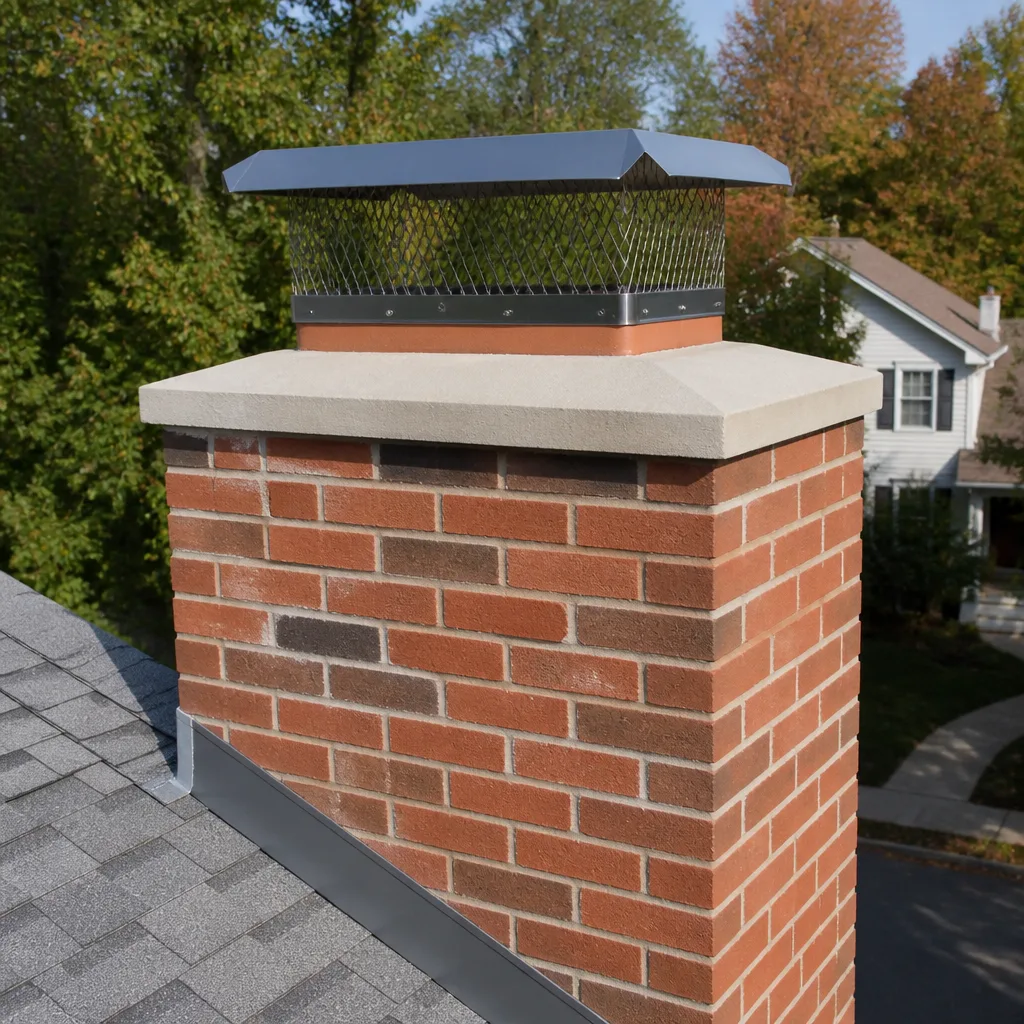 Caps & crowns
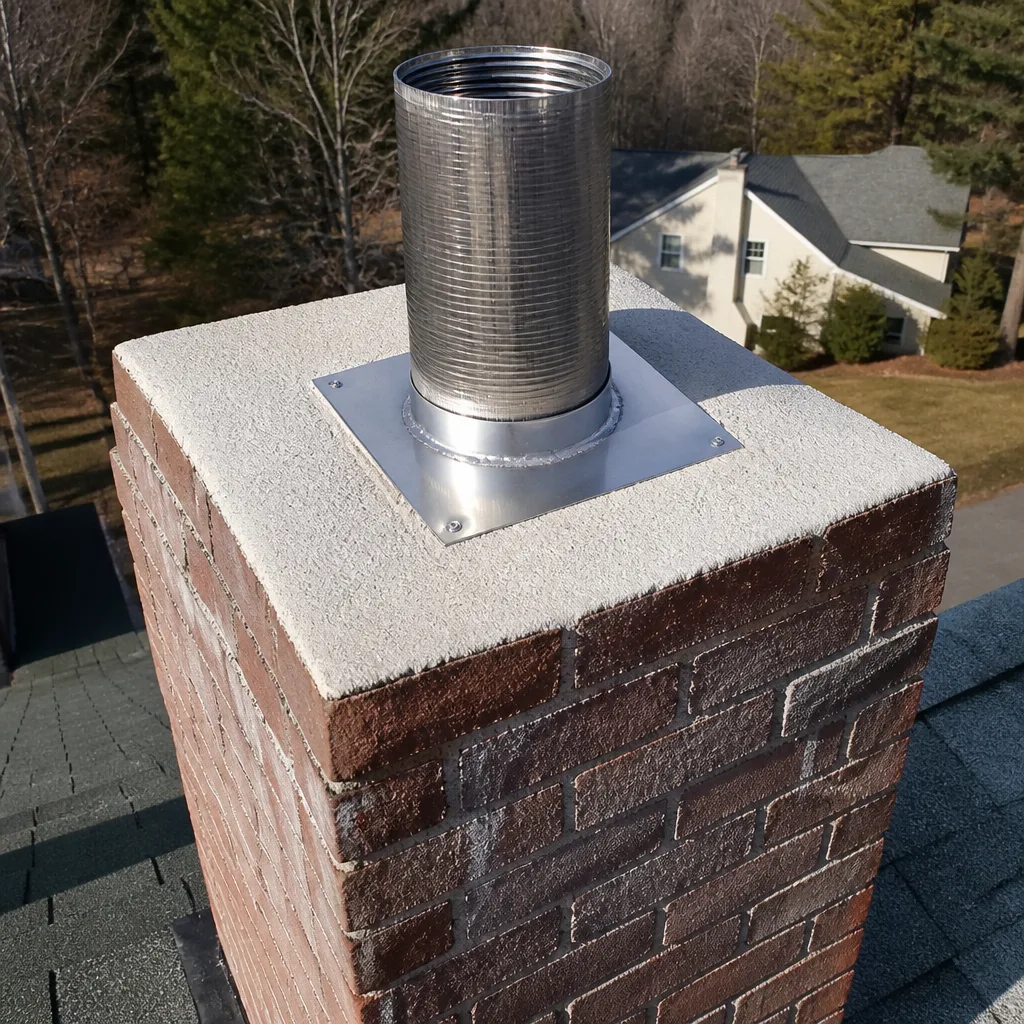 Flue relining
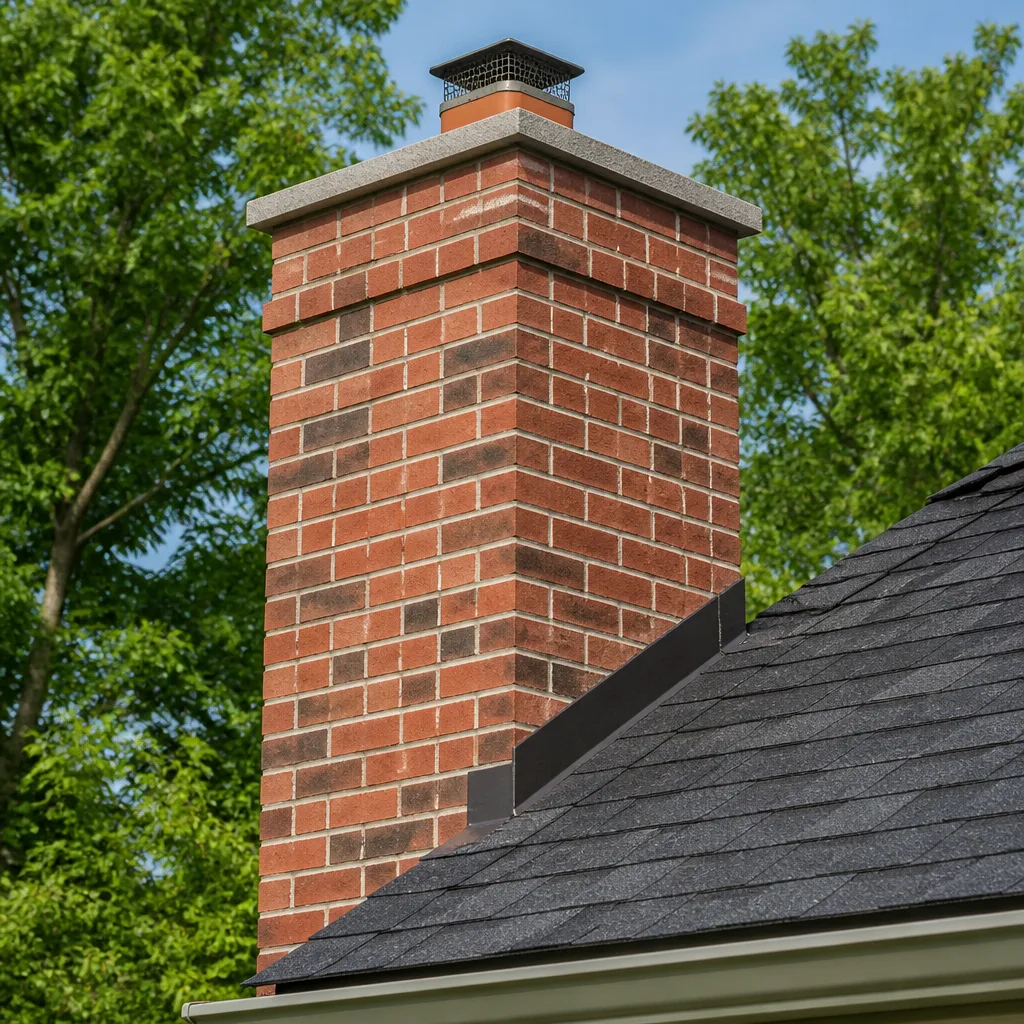 Masonry repair
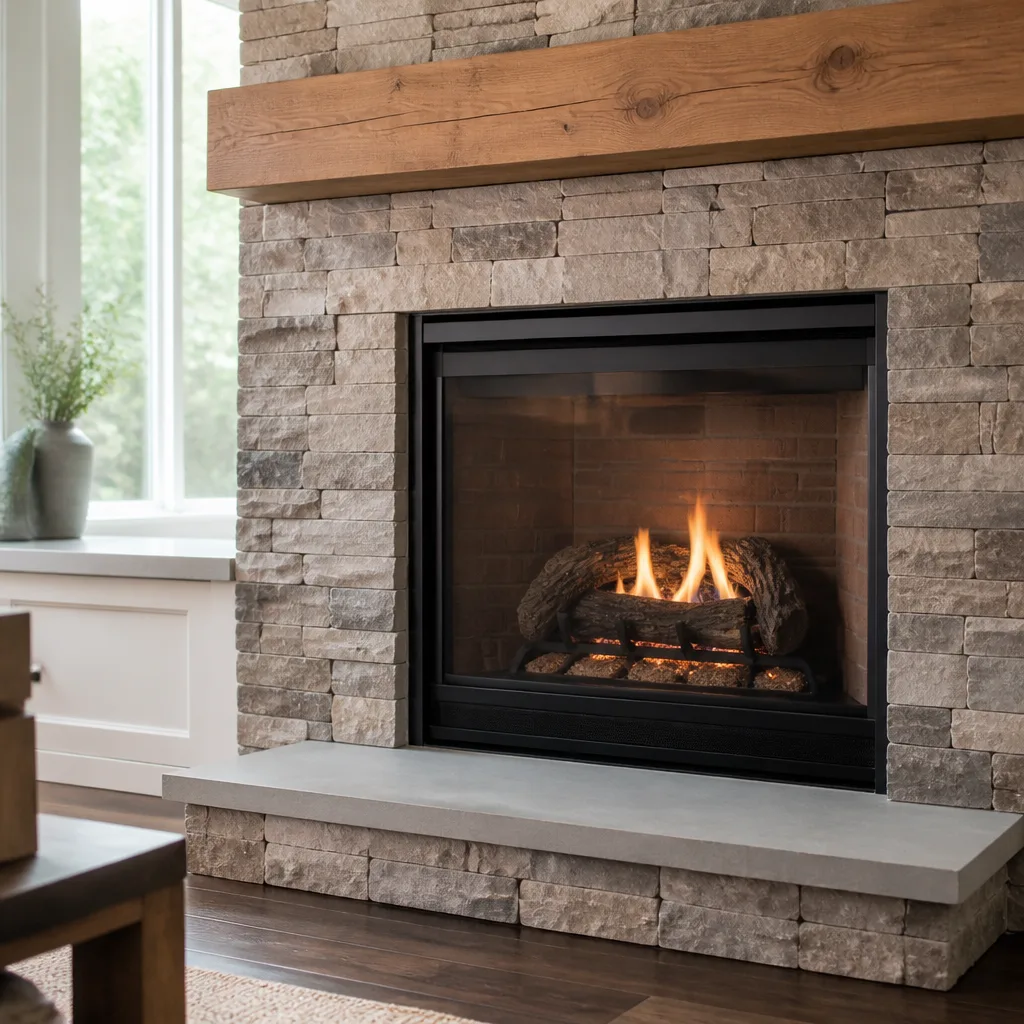 Gas fireplace service
Level 1 sweep and inspection to the NFPA 211 annual standard - flue, crown, cap, and flashing checked and photographed
Chimney sweep logs do not sweep chimneys. They loosen some creosote - which then falls where a brush and vacuum still have to collect it.
Seasonal Chimney Cleaning Care for Highlands Ranch: Year-Round Homeowner’s Guide
Scheduling your chimney sweep every October is a reasonable habit. But if you burned wood through a cold April, or if wildfire smoke drifted over Highlands Ranch through the summer, October may already be too late to catch what built up in the flue. Chimney care here doesn’t run on a neat fall-and-spring template. It runs on a freeze-thaw cycle that chews at mortar from October through April, on particulate that settles during smoke season, and on shoulder-season burning habits that sneak past most homeowners. This guide maps chimney care to the climate Highlands Ranch actually has, month by month, so you know what to check, what to watch, and when a pro needs to look.
Quick Answer
Chimney care in Highlands Ranch follows the local climate, not the calendar on a greeting card. The most useful inspection window is late March through May, after freeze-thaw damage has finished for the season and before fire season loads the flue with fine particulate. Summer isn’t an off-season for your chimney either: moisture intrusion, animal nesting, and wildfire ash all accumulate between May and September. A pre-season sweep in early autumn still matters, but it catches a different set of problems than the post-season inspection does.
Styles & brands we work with
- Sweep & inspection
- Caps & crowns
- Flue relining
- Masonry repair
- Gas fireplace service
Table of Contents
- Why Highlands Ranch’s Freeze-Thaw Cycle Drives Chimney Damage
- Summer Is Not the Chimney Off-Season
- The Post-Season Inspection Window: Late March Through May
- Shoulder-Season Burns and Stage 1 Creosote
- Month-by-Month Chimney Checklist for Highlands Ranch
- Your Chimney Is a System, Not Just a Flue
- Materials That Hold Up Where It Freezes and Thaws
- Common Mistakes to Avoid
- When to Call a Professional
- Frequently Asked Questions
Why Highlands Ranch’s Freeze-Thaw Cycle Drives Chimney Damage
Highlands Ranch averages more than 150 freeze-thaw cycles a year. That number is the single most useful fact for understanding how masonry chimneys age in this town. Each cycle is a small stress test: water gets into a mortar joint or a hairline crack in the crown, freezes overnight, expands, then thaws and drains. Do that 150-plus times between October and April and the damage compounds in ways a homeowner in a warmer climate simply never sees.
The two components hit hardest are the ones most people ignore because they’re at the very top of the chimney.
- Mortar joints. Brick is porous, and mortar is softer than the brick around it. Freeze-thaw cycling erodes mortar first, leaving joints recessed. Once joints are recessed, water has a wider channel to sit in, and the next freeze pushes harder.
- The crown. The crown is the sloped concrete cap on top of the chimney that sheds water away from the flue. Hairline cracks in the crown are almost universal on chimneys that have been through a few Colorado winters. Those cracks let water straight into the masonry below.
- The flue liner. A clay liner can crack when moisture in the surrounding masonry freezes and pushes inward. Once the liner is compromised, heat and combustion gases have a path into the structure, which is why liner condition is a fire-safety question, not a cosmetic one.
What makes this different from a colder, wetter climate is the oscillation. Highlands Ranch regularly swings from warm afternoons to freezing nights in the same 24 hours, especially in the shoulder months. That’s the recipe for rapid freeze-thaw fatigue: melt, refreeze, melt again. A chimney in Highlands Ranch isn’t weathering one long winter. It’s weathering a hundred small ones. Our technicians have up to 12 years of experience, and the pattern they see most in this town is crown cracking that started small and turned into masonry saturation by the time anyone looked.
Which is why visual inspection from the ground isn’t enough. The crown and the top courses of brick are where the story begins, and you can’t read them from the driveway. A proper chimney inspection gets eyes up top.
Summer Is Not the Chimney Off-Season
Most homeowners think of the chimney as dormant from May through September. It isn’t. The fire is off, but the chimney is still being worked on by the weather, by wildlife, and by whatever’s in the air. Three things happen to a Highlands Ranch chimney during the warm months, and all three get worse the longer they go unnoticed.
- Moisture intrusion. Summer thunderstorms hit hard and fast along the Front Range. A cracked crown or a missing cap lets that water into the flue and the masonry. Warm, wet masonry dries slowly, and repeated soak-and-dry cycles soften mortar in a way winter alone doesn’t. Water is the leading cause of chimney deterioration, and summer is when most of it gets in.
- Animal nesting. Birds, squirrels, and raccoons treat an uncapped flue as prime real estate. A nest is a blockage, and a blocked flue sends carbon monoxide back into the house the first time you light a fire. It also leaves debris that has to be cleared before the season starts.
- Wildfire particulate. Smoke season on the Front Range leaves fine ash settling on roofs and in chimneys. Particulate drifts down an open flue and mixes with existing creosote. Over a summer that’s a slow accumulation, but it’s real, and it changes how the flue behaves when you first fire it up.
This is why a chimney inspection in Highlands Ranch is worth doing as a standalone service in early summer, not just as an add-on to a fall sweep. You want to know what the winter did and what spring weather has already started. Inspections are available independently for exactly that reason: you should be able to check on your system without buying a cleaning you may not need yet.
One cheap habit pays off here. Look at your roofline after a heavy rain. If you see staining down the face of the chimney or water pooling at the base, the cap or crown needs attention before the next storm. That’s a five-minute check that saves a much bigger repair.
The Post-Season Inspection Window: Late March Through May
If you only do one chimney appointment a year in Highlands Ranch, make it a post-season inspection in late March through May. It’s a more useful appointment than the pre-season sweep most people default to, and here’s why.
By late March, the freeze-thaw cycle that started in October has finished its work. Any new crown cracks, spalled brick, or mortar loss caused by the winter is already there. Any liner damage from freeze expansion has already happened. An inspection in that window catches all of it while the weather is mild and while you have the whole summer to schedule and complete repairs. Wait until October and you’re looking at the same damage, but you’re trying to fix it during the busy season, often in a hurry, right before you want to burn.
A pre-season sweep in early autumn still has a job: it clears the creosote that built up last season and the debris that accumulated over summer. But it’s the wrong time to discover structural problems. You want the diagnosis in spring and the cleaning in fall.
Here’s how the two-appointment pattern works in practice:
- Late March through May: Post-season inspection. This is when you want a trained eye on the crown, the flue interior, the firebox, and the cap. Repairs can be scheduled and completed over the summer at a comfortable pace.
- Late August through September: Cleaning and any remaining repairs, finished before the first serious burn of the season. By the time you want a fire on a cold evening in Highlands Ranch, the system is clean and verified.
Two appointments a year sounds like a lot. For a chimney you’re using regularly, it’s the difference between maintenance and damage control. If you want the cleaning itself handled properly, a professional chimney sweep in that late-summer window covers the debris and creosote side of the equation.
Shoulder-Season Burns and Stage 1 Creosote
Shoulder-season burns are the quiet culprit in Highlands Ranch chimney care. October and early November often bring cold nights before the real burn season starts. Homeowners light a fire, sometimes in a wood fireplace, sometimes flipping on the gas logs for the first time since spring. These early, short, cool fires are exactly the conditions that produce Stage 1 creosote.
Creosote forms in stages, and Stage 1 is the glazed, flaky, easy-to-remove layer that builds when a fire burns cool or smolders. Cool fires leave more unburned material in the flue, and that material condenses as creosote. A fire that’s damped down and banked for the night, or a short evening fire that never gets the flue hot, builds more of it faster than a hot, well-aerated burn.
The gas fireplace angle catches people too. A gas fireplace doesn’t create creosote like wood does, but it does produce moisture and it does need its flue or vent checked. Fall gas-log use before an inspection can mask problems that a spring inspection would have caught. If you haven’t had the fireplace checked since spring, first-fire-of-fall is not the moment to discover a venting issue.
What to do about shoulder-season burns:
- Burn hot, not long. A single hot fire with the damper wide open moves more exhaust up and out than a slow evening burn. Save the long smoldering logs for fully cold weather when you’re using the fireplace steadily.
- Don’t skip the fall clean because you “only burned a few times.” A handful of shoulder-season fires still leaves creosote. The clean is what makes the real season safe.
- Watch for a glazed sheen on the inside of the firebox or the flue if you can see it. Stage 1 creosote is usually flaky and easy to brush. Stage 2 is harder. Stage 3 is glazed and needs professional removal. Catching it at Stage 1 is the goal.
If your fireplace has its own mechanical issues, and it’s worth having them looked at once, that’s where fireplace repair comes in as its own separate job. Fixing a damper that won’t seal or a firebox that has a crack is different work from cleaning the flue, and it should be diagnosed as such.
Month-by-Month Chimney Checklist for Highlands Ranch
This is the practical reference: what to look at yourself, and when to bring in a pro. None of this replaces a professional inspection, but it lets you catch the obvious stuff early.
January through March
Burn season is in full swing. Check the firebox for any new cracks. Look up at the crown from the ground after a warm afternoon: if you see water dripping or standing, the crown is losing. If a fire smokes back into the room, stop using the fireplace and call. That’s a sign of a blocked or compromised flue.
April and May
Book the post-season inspection. This is the optimal window. If repairs are needed, they can happen over the summer. Look at the chimney exterior when the snow clears: recessed mortar, spalling brick, or a visibly cracked crown all mean it’s time to bring someone out. This is where chimney repair work starts, before the damage gets bigger.
June through August
Watch for animal nesting and bird activity around the flue. Check the cap after any storm with high wind. Look for water staining on the chimney face. If you’ve had smoke events over the summer, note them: particulate accumulation is a reason to clean earlier than usual in fall.
September
Book the cleaning. This is the last comfortable window before the first serious fires. Have any repairs that came out of the spring inspection completed now, so the system is ready.
October through December
First burns of the season. Be aware of shoulder-season creosote. If you’re using the fireplace consistently and you haven’t had it cleaned since spring, get that done. Do a monthly visual check of the firebox and the firebox-to-flue connection.
The pattern across the year is simple: spring is for diagnosis, fall is for cleaning, and the months in between are for your own visual checks and for getting repairs done while the weather is on your side.
Your Chimney Is a System, Not Just a Flue
Here’s the reframe that makes chimney care in Highlands Ranch easier to understand. Your chimney isn’t a tube. It’s a system with several parts, and every part affects fire safety and efficiency. The firebox, the damper, the flue, the crown, the cap, and the masonry shell all interact. Weakness anywhere in the system changes how the whole thing behaves.
This matters because most homeowners think of chimney service as a cleaning you schedule and forget. A blocked flue is a carbon monoxide hazard. A cracked crown is a water path into the masonry that eventually compromises the liner. A bad damper lets heat out and smoke in. A missing cap invites animals and rain. Fix one part without looking at the rest and you’re not actually solving the problem.
That’s why we approach a chimney as a full system: sweep, inspection, fireplace repair, chimney repair, and cap and crown work, all under one roof. A single-call solution means you’re not referred out for structural or component work, and you’re not left with a swept flue but an unresolved crown issue because the last visit didn’t cover it.
The cap and crown are the most overlooked part of the system, and they’re the two leading causes of water intrusion damage. The crown sheds water off the top of the masonry. The cap keeps water, animals, and debris out of the flue. When either is compromised, everything below it gets wet. Get both checked at the same time as the flue, and you’ll prevent the damage more often than you’ll repair it.
Materials That Hold Up Where It Freezes and Thaws
A chimney repair in a freeze-thaw climate only works if the materials can handle the cycling. That’s where the products we install make a real difference, and it’s not the same as what you’d grab at a big-box store.
We work with HeatShield for flue resurfacing. This is the product that lets us restore a deteriorating clay liner without tearing out the whole chase and relining from scratch. A ceramic resurfacing process brings a compromised flue back to a safe condition, and it’s especially relevant here, because a liner that’s cracked from freeze expansion is a common Highlands Ranch problem. HeatShield makes restoration possible where a full reline might otherwise look like the only option.
For flues with non-standard paths, bends, or offsets, DuraFlex flexible liner systems do work that rigid liner can’t. That expands the range of repair that can be completed in a single visit, and it means complex flue configurations get properly serviced rather than passed over.
We use these brands because they’re what chimney professionals specify, not what’s convenient. Gelco and Copperfield components, along with DuraFlex and HeatShield, are part of the professional-grade portfolio we install. The point isn’t the brand name. The point is that the materials are built for trade use and for the kind of weather Highlands Ranch puts a chimney through.
It’s also why an inspection first matters. A liner that’s only mildly degraded may be a HeatShield resurfacing job. One that’s failed structurally may not be. You should know which before you know the price, and that’s the whole point of a diagnostic-first approach.
Common Mistakes to Avoid
- Only scheduling a sweep every October. A fall sweep catches creosote but not the freeze-thaw damage that the previous winter caused. By October, a small crown crack has had a full summer to let water in.
- Treating summer as downtime. Water intrusion, animal nesting, and particulate accumulation all happen between May and September. The chimney is idle but the weather isn’t.
- Lighting a few shoulder-season fires and calling it clean. Stage 1 creosote builds faster from cool, short fires than from steady hot ones. Early fall burns leave real creosote in the flue.
- Assuming a clean-looking firebox means a safe chimney. Most freeze-thaw damage to the crown, the top courses, and the liner is invisible from inside the house. The visual you can do yourself is a floor, not a ceiling.
- Ignoring the cap and crown because “the fire draws fine.” The leading cause of chimney deterioration is water, and the cap and crown are what keep water out. Dry performance doesn’t mean dry protection.
- Waiting for a problem to show up as smoke in the room. Smoke backing up is a late sign, often a blockage or a flue pressure issue. The earlier signals are a cracked crown, staining, and stage-by-stage creosote buildup.
- Letting one contractor sweep and another handle the structural work. A cleaved service gets cleaved diagnostics. If the flue gets swept and the crown gets ignored, the part that causes the most damage never gets looked at.
When to Call a Professional
Call when you see a cracked or crumbling crown, recessed mortar joints, or spalling brick on the chimney face. Call if smoke comes back into the room when you light a fire, if you smell creosote in the house on a warm day, or if you see water staining on the chimney or at its base. Call after any significant wildfire smoke season if you plan to burn that fall, because particulate accumulation changes the cleaning schedule. Call if you haven’t had the chimney inspected in a year and you’re burning regularly, and call immediately if you suspect an animal has nested in the flue.
Chimney Sweep Highlands Ranch offers free estimates in Highlands Ranch. Call (855) 550-7361 to schedule an inspection or a sweep. We answer 24/7. Fast dispatch from 7am to 7pm, Sunday through Friday. Every job is priced per job by the written estimate, so there are no surprises.
Frequently Asked Questions
Once a year for both, and ideally on the two-appointment pattern this guide describes: inspection in late spring, sweep in early fall. Homes burning wood regularly, or burning through a cold April, may benefit from an additional check after the freeze-thaw season. Gas fireplace users should still have the vent inspected annually even though they produce no creosote the way wood does. Call (855) 550-7361 for a free estimate to set up the schedule.
Because the freeze-thaw cycle that damages a chimney in Highlands Ranch runs October through April, so by late March you’re looking at the finished damage, not a partial picture. A spring inspection catches new crown cracks, mortar loss, and liner issues with the entire summer to complete repairs. A fall sweep catches creosote but arrives too late to catch what winter already did. Both matter, but the diagnosis belongs in spring. Call (855) 550-7361 for a free estimate on either appointment.
No, but it still needs annual attention. Gas fireplaces don’t produce creosote the way wood does, but they produce moisture, and their venting can be blocked by animal nesting or debris just like a wood flue. The bigger point is that fall gas-log use before an inspection can hide a venting problem. Have the fireplace and vent checked before the first fall fire, and treat fireplace repair issues like a failing damper or a cracked firebox as their own separate job. Call (855) 550-7361 for a free estimate.
One missed year usually means a buildup of creosote from the previous season into the next, plus a full freeze-thaw cycle of unrepaired crown or mortar damage. The creosote is a fire risk and the moisture damage compounds. It doesn’t usually cause a sudden failure, but it turns a small spring repair into a larger summer repair. Skipping a year is a real decision, but it should be a deliberate one with your eyes open. Call (855) 550-7361 for a free estimate.
Often yes, using HeatShield ceramic flue resurfacing. A deteriorating liner from freeze expansion is one of the most common chimney problems in Highlands Ranch, and HeatShield lets us restore the flue surface without a full tear-out and reline. It isn’t the answer for every liner, which is why the inspection comes first. A structural failure needs a different fix than mild degradation. Call (855) 550-7361 for a free estimate and an honest read on what your liner needs.
Treating it as a fall-only appliance. The chimney works through the other seasons even when the fire doesn’t: moisture, animals, and wildfire particulate all accumulate from May to September, and the freeze-thaw cycle does its damage from October to April. The fall sweep matters, but it’s one appointment in a year that needs at least two. Call (855) 550-7361 for a free estimate.
The Bottom Line
Chimney care in Highlands Ranch is climate-driven, not calendar-driven. The freeze-thaw cycle runs October through April; the summer months bring moisture, nesting, and particulate; and shoulder-season burns in early fall lay down Stage 1 creosote before most people think the season has begun. Two appointments a year, a spring inspection and a fall sweep, keep the system ahead of the damage. Your own visual checks fill in the months between. The crown and cap, and the flue liner, are where most of the trouble starts, and they’re the parts you can’t assess from inside the house. Get eyes on the whole system, from firebox to cap, and you’ll know exactly what you’re paying for and why.
Call (855) 550-7361 for a free estimate. We answer 24/7. Fast dispatch from 7am to 7pm, Sunday through Friday. For the full range of services, start with Chimney Sweep Highlands Ranch, and we’ll walk the system with you, one component at a time.
Written by the team at Chimney Sweep Highlands Ranch.
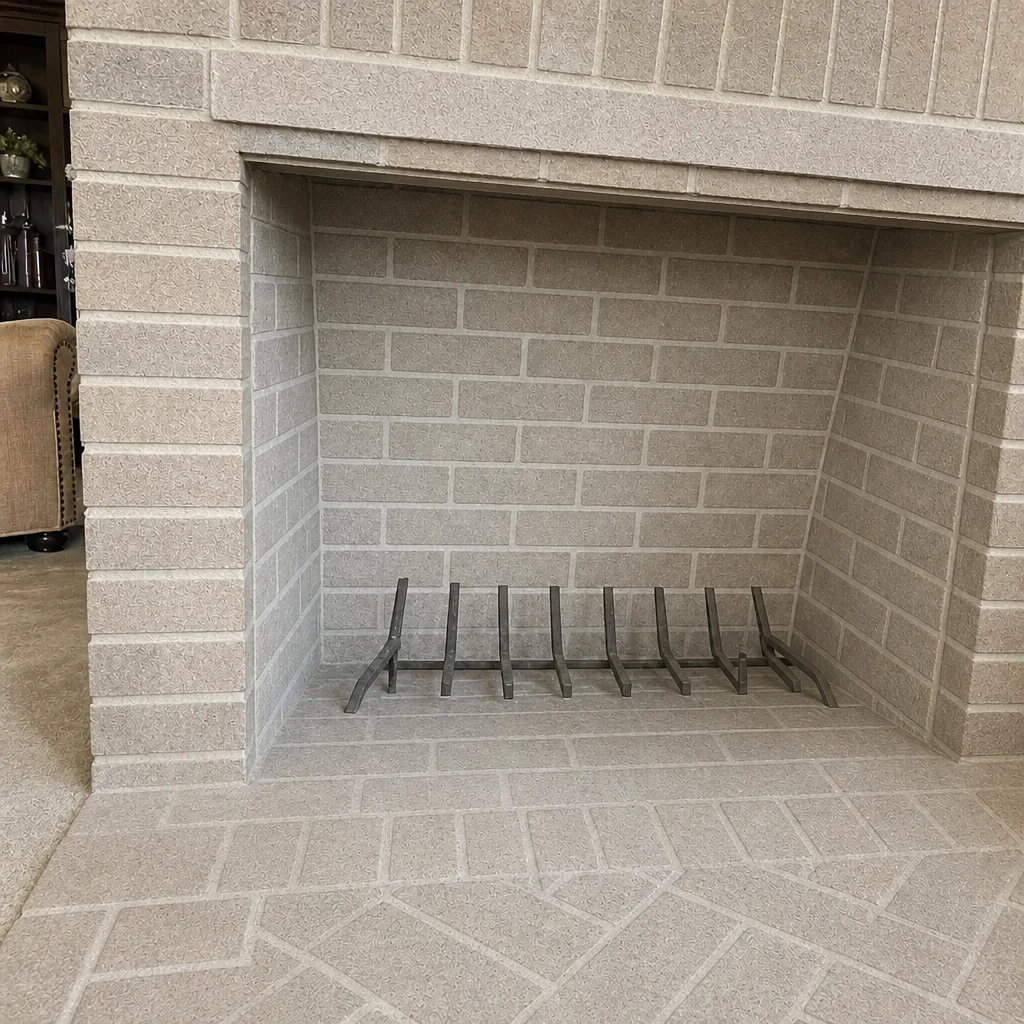
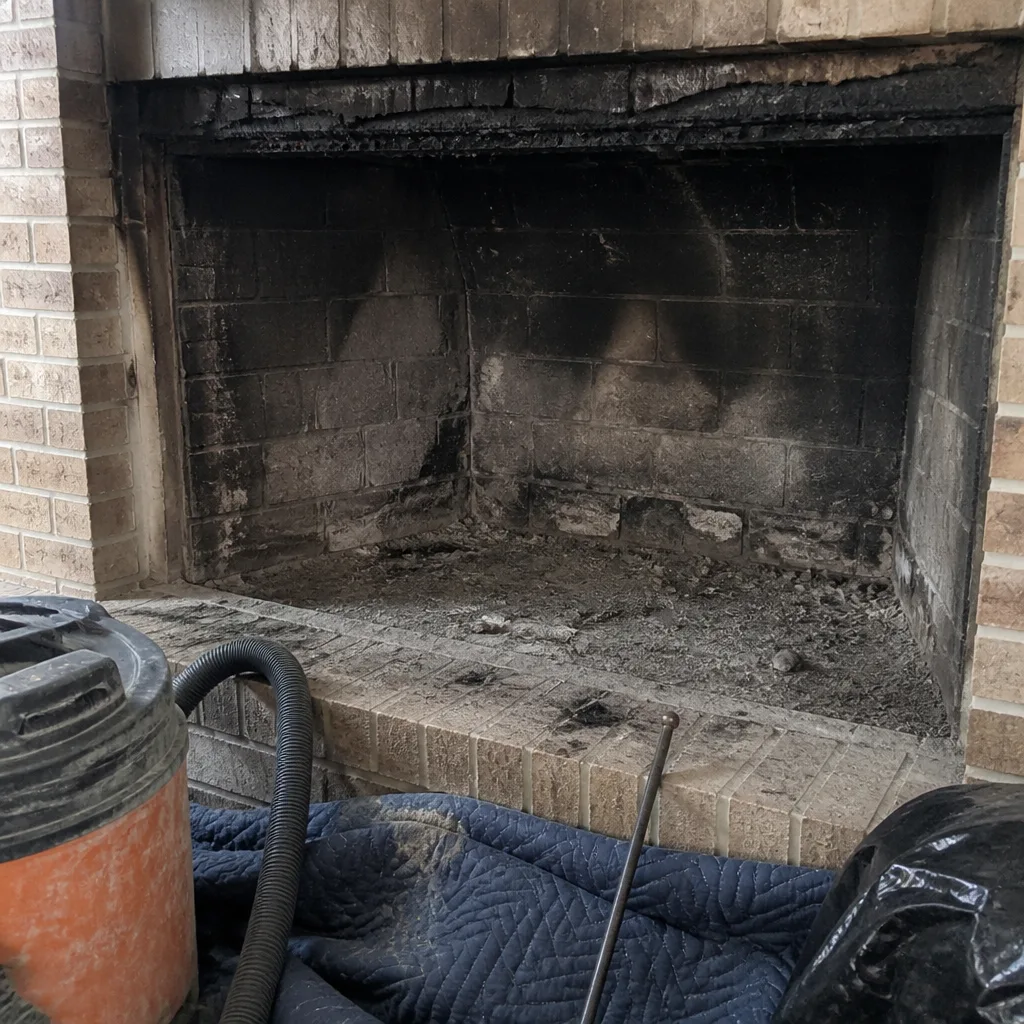
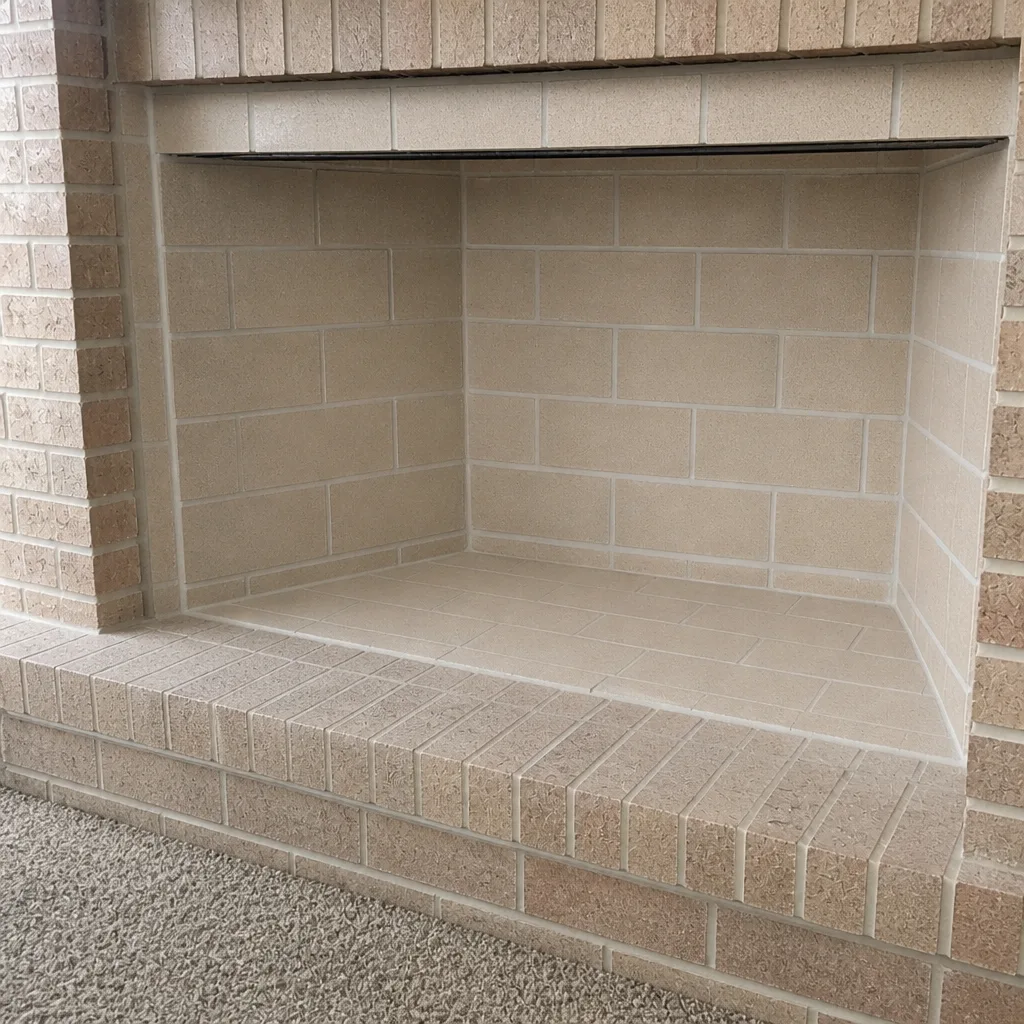
See the difference
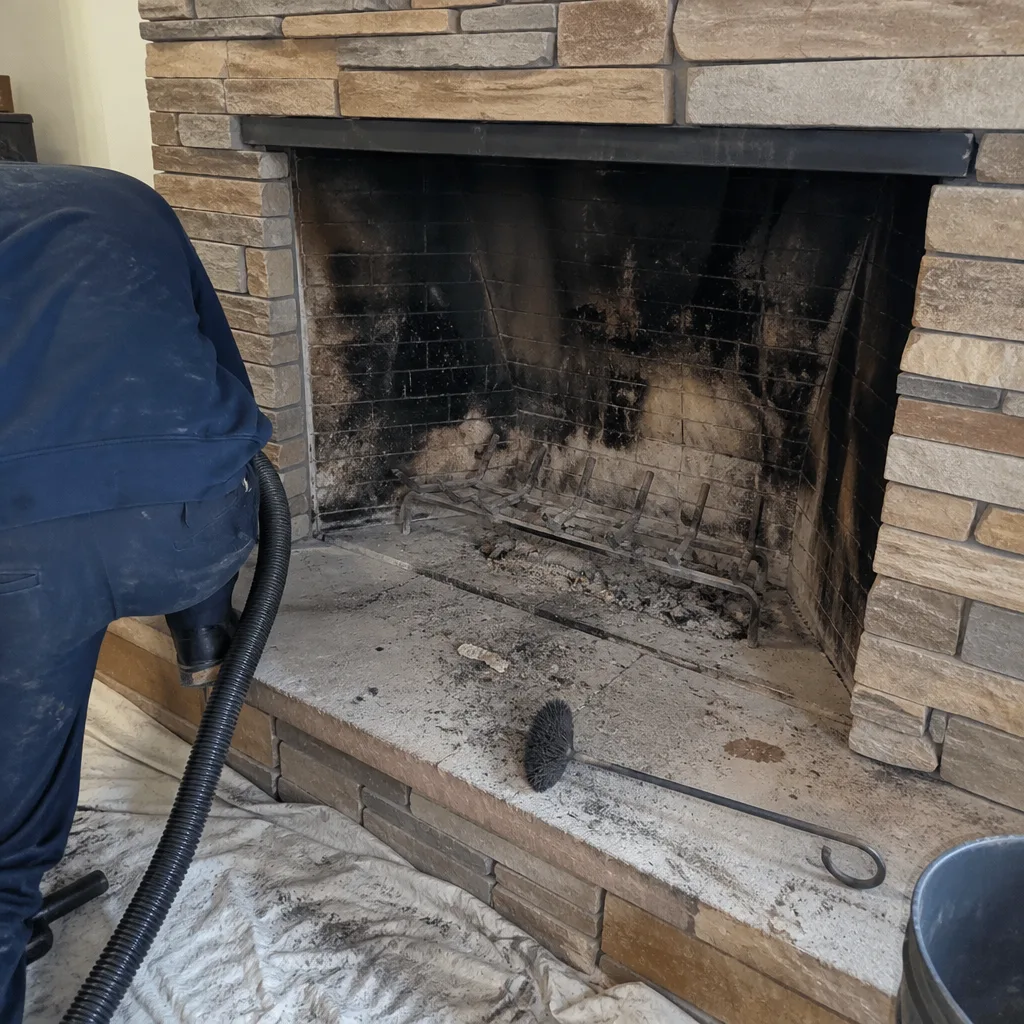 Before
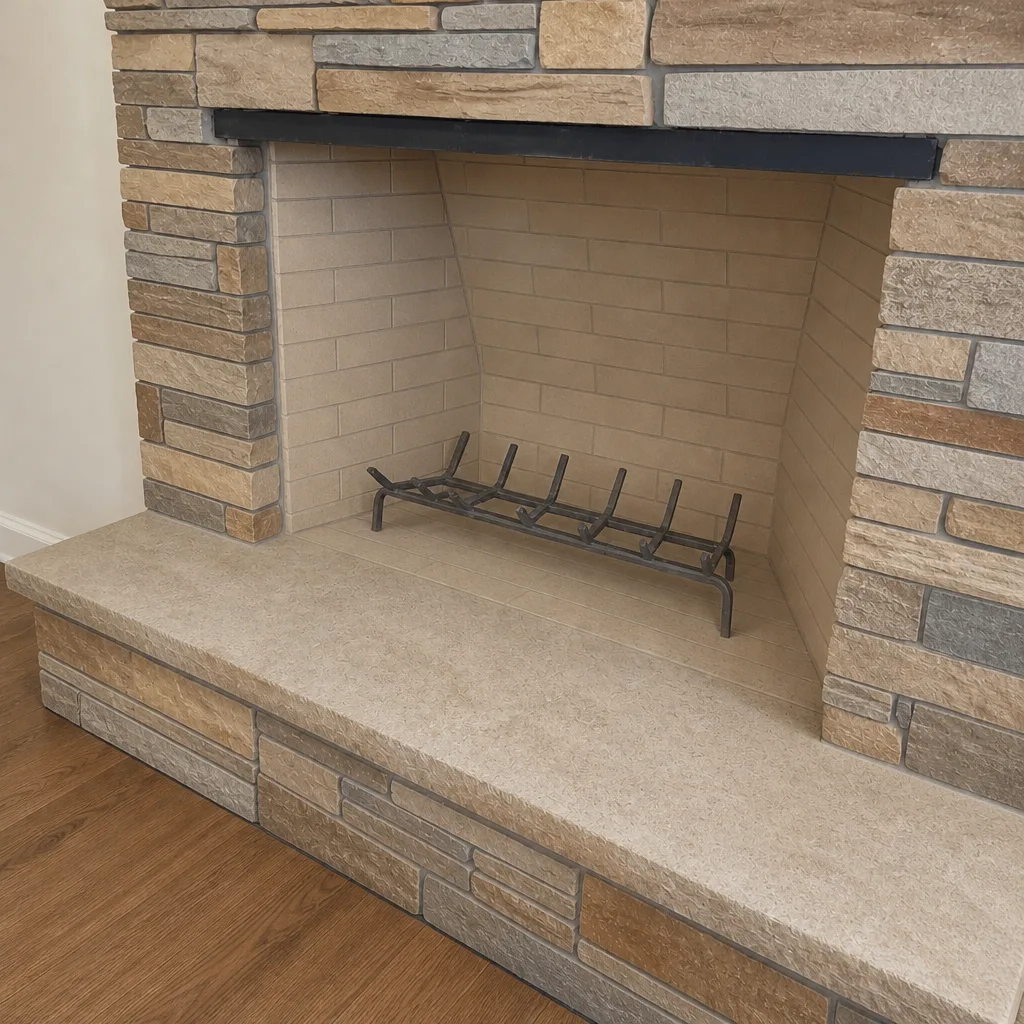 After
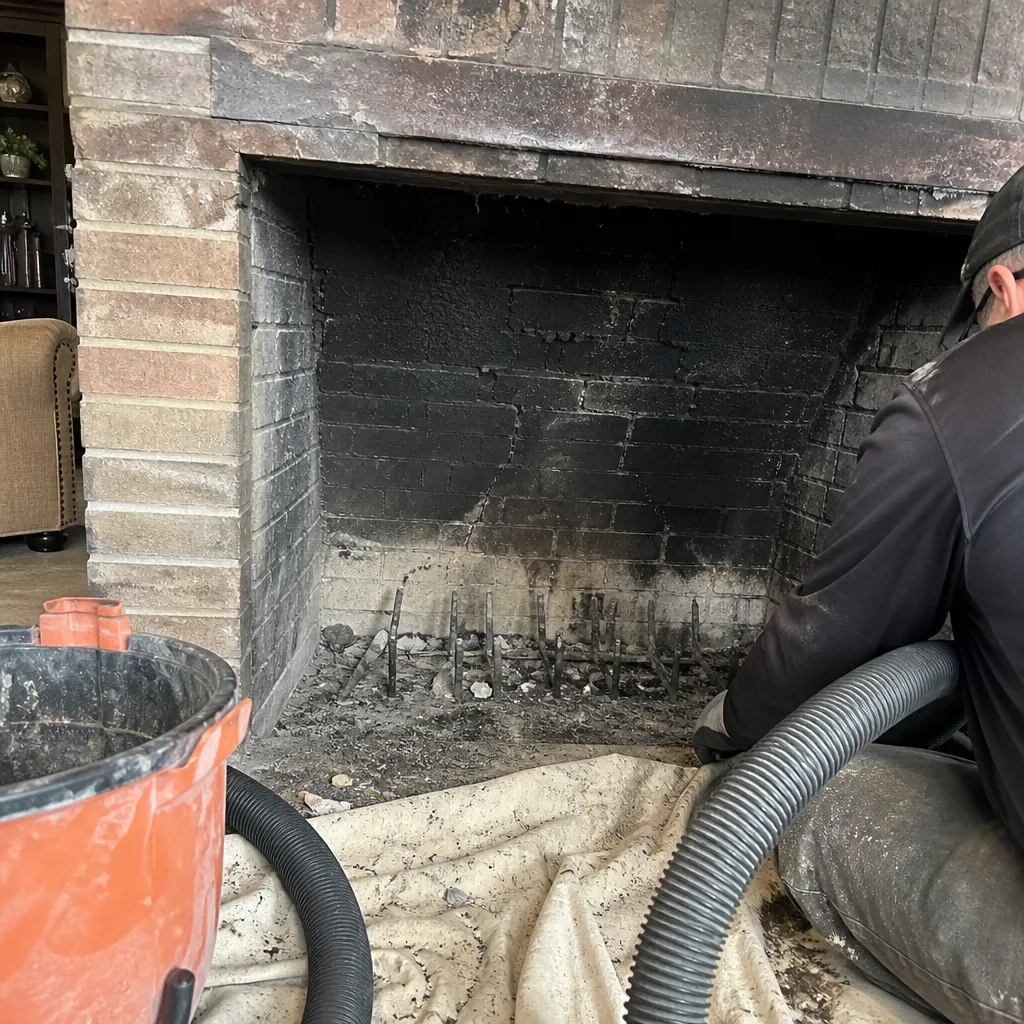 Before
 After
 Before
 After