
Last updated November 25, 2026
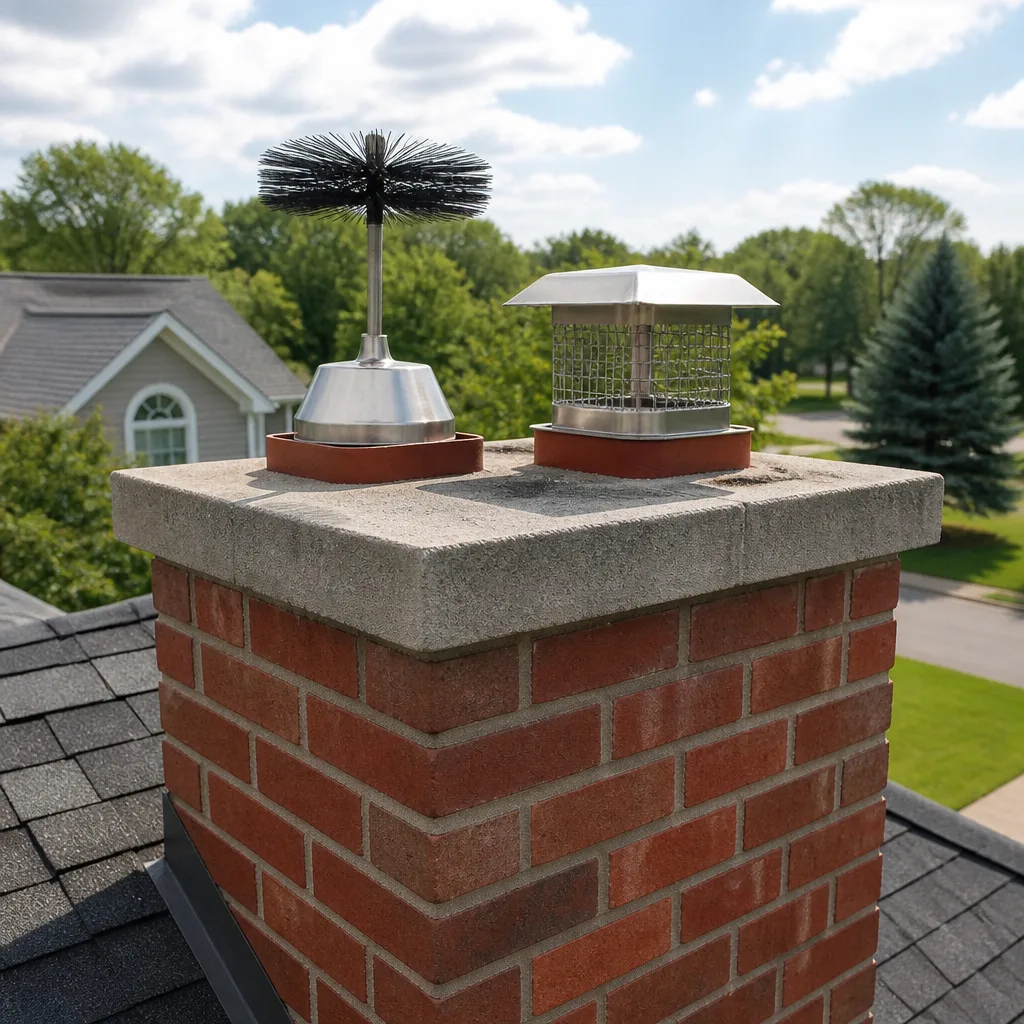 Sweep & inspection
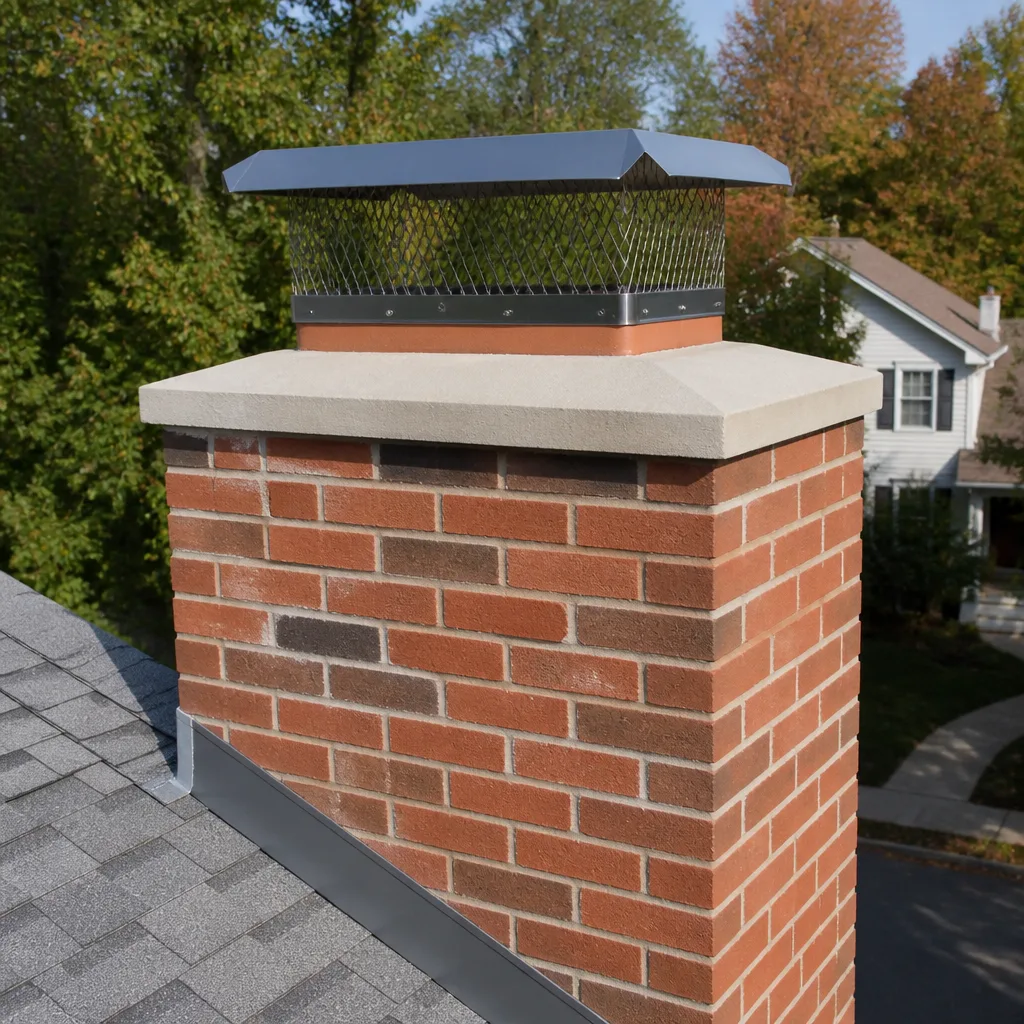 Caps & crowns
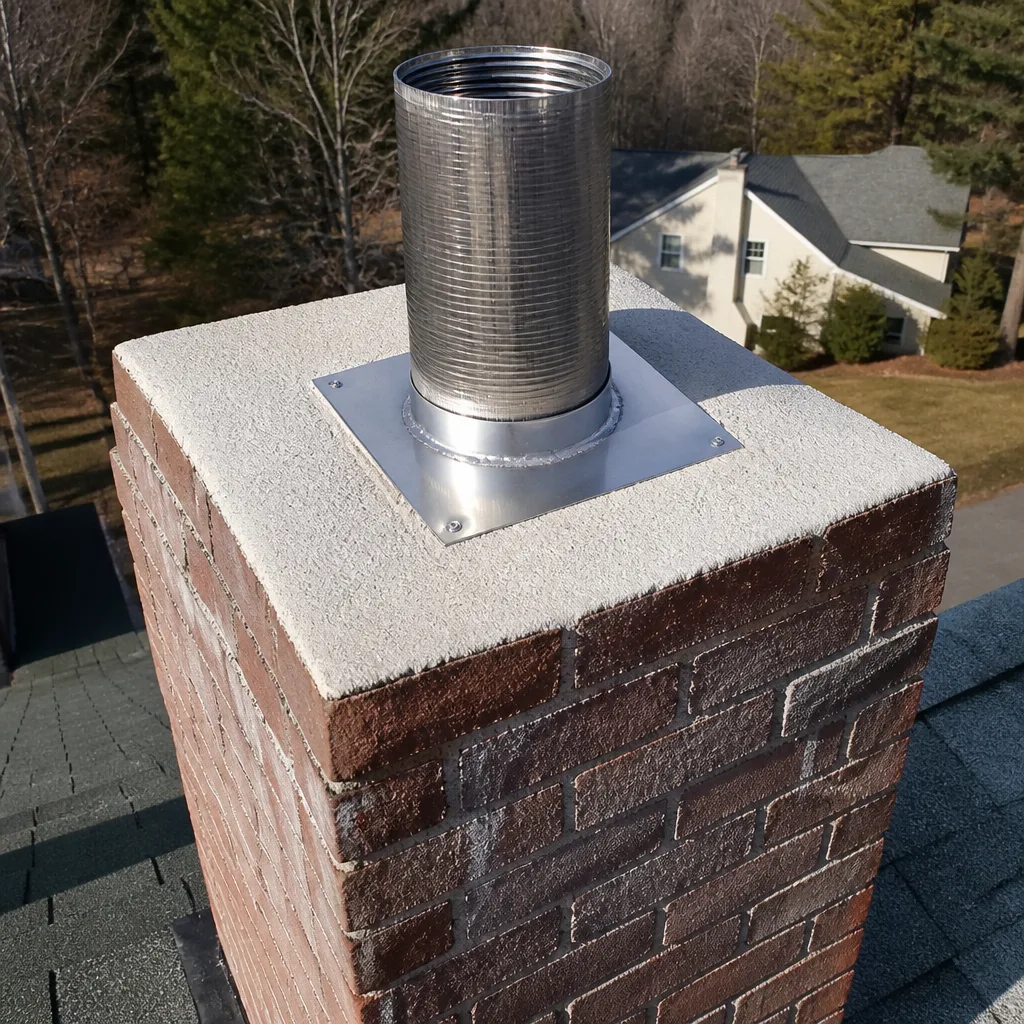 Flue relining
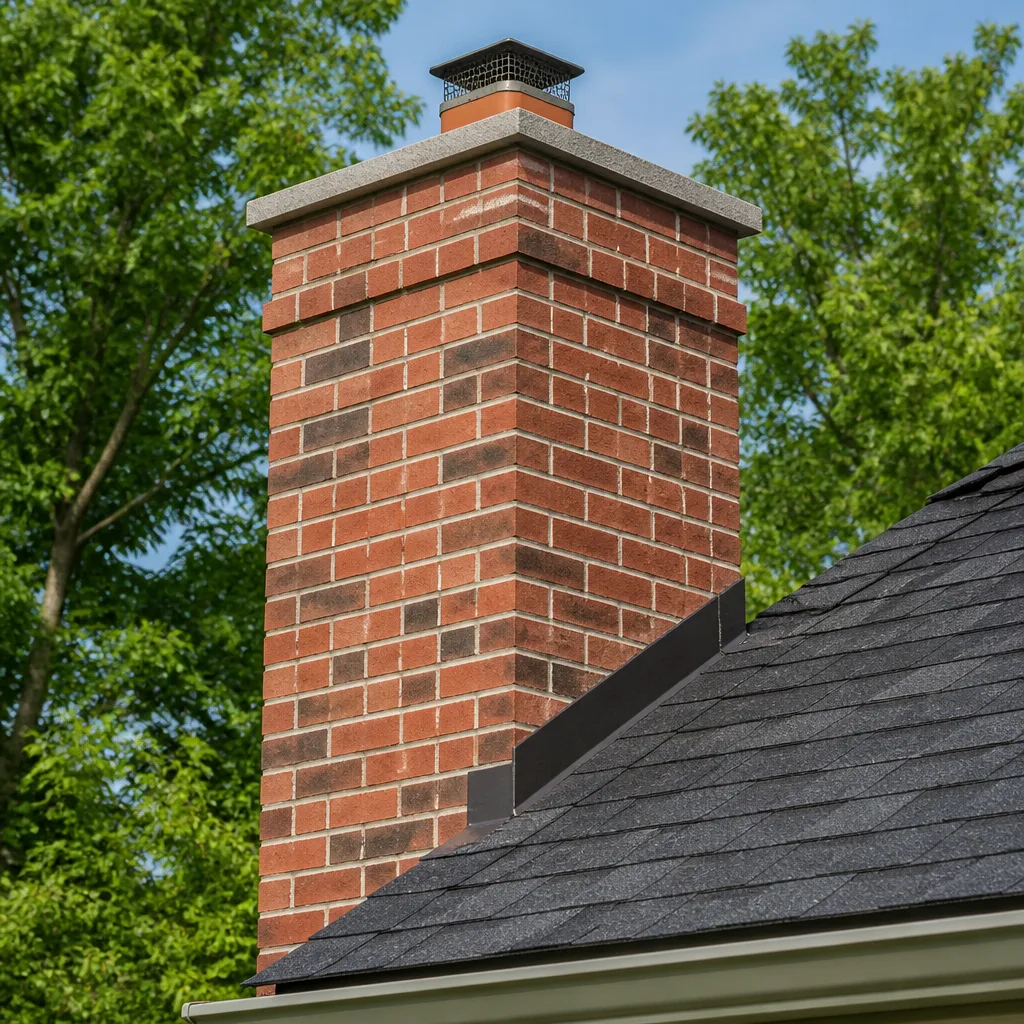 Masonry repair
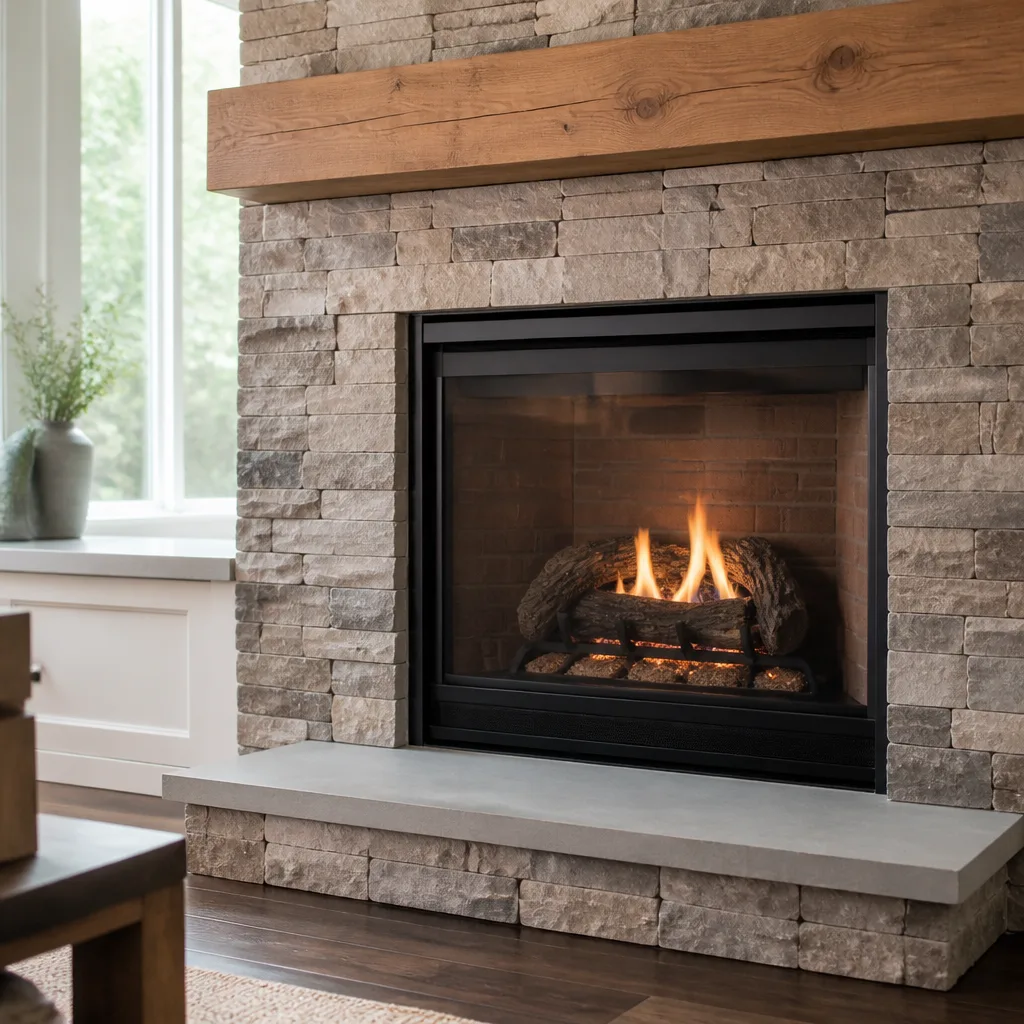 Gas fireplace service
Level 1 sweep and inspection to the NFPA 211 annual standard - flue, crown, cap, and flashing checked and photographed
Chimney sweep logs do not sweep chimneys. They loosen some creosote - which then falls where a brush and vacuum still have to collect it.
DIY vs Professional Chimney Cleaning: The Highlands Ranch Homeowner’s Decision Guide
A chimney brush kit from the hardware store will remove loose soot from your flue. It won’t tell you whether your smoke chamber parging is cracked, your liner has a gap, or your crown has a micro-fracture that’s been moving water into your masonry for two winters. That gap between “clean” and “sound” is the whole decision. Most Highlands Ranch homeowners who ask us about do-it-yourself sweeping aren’t trying to cut corners on safety, they’re trying to understand what the job actually involves before paying someone. Fair question. This guide draws the line clearly: what a brush and a shop vacuum genuinely accomplish, what they can’t reach, and the specific situations where skipping the camera and the trained eye costs you more than it saves.
Quick Answer
DIY chimney brushing can remove Stage 1 creosote from the accessible straight sections of a flue, and that’s about the limit of it. It cannot clean the smoke chamber, verify liner integrity, inspect the smoke shelf, or assess your cap and crown, because those areas require closed-circuit camera inspection and physical access a homeowner doesn’t have. For routine soot between professional visits, a careful owner can do some of the work. For fire safety and structural diagnosis, professional cleaning and inspection is the only complete answer in Highlands Ranch homes.
Styles & brands we work with
- Sweep & inspection
- Caps & crowns
- Flue relining
- Masonry repair
- Gas fireplace service
Table of Contents
- What a DIY Brush Sweep Actually Accomplishes
- What DIY Can’t Reach, and Why It Matters
- The Equipment Gap: Consumer Cameras vs. Closed-Circuit Inspection
- When DIY Is a Reasonable Maintenance Step
- When DIY Creates a False Sense of Security
- The Insurance and Liability Dimension
- The Middle-Ground Approach: DIY Between Professional Inspections
- How a Professional Sweep and Inspection Actually Works
What a DIY Brush Sweep Actually Accomplishes
A homeowner with a correctly sized poly brush, enough fiberglass rods, drop cloths, and a decent shop vacuum can remove glazed and loose soot from the straight, accessible portion of a flue. That’s real work and it does reduce the volume of combustible material sitting against your liner walls. It also removes the surface layer that restricts draft efficiency in a clogged flue. If your fireplace has been burning poorly and the flue is visibly coated, a brush pass will improve draw.
Here’s the specific scope of what a DIY brush sweep can do:
- Remove Stage 1 creosote – the fluffy, soot-like deposit that brushes off easily from straight flue runs.
- Clear a partially blocked flue from soot accumulation, though not necessarily from a bird nest or debris cap.
- Reduce surface coating that restricts airflow on a heavily used flue.
- Give you a visual read on the top few feet of the flue if you’re working from the roof with a properly stabilized ladder and appropriate fall protection.
Notice what’s missing: the smoke chamber, the smoke shelf, the damper assembly, the firebox parging, the liner joints above and below the visible run, the crown, and the cap. Those are not “extra” features of a chimney sweep; they’re the areas where most fire risk and water damage actually originate. In a Highlands Ranch home with a masonry chimney, the smoke chamber is a corbelled transition from firebox to flue. It’s sloped, it’s full of soot, and it’s a Stage 2 creosote collection zone that a brush never touches because the brush only goes straight up the flue. If you’ve ever wondered why professional chimney sweeps carry a special smoke chamber tool with chains and paddles, that’s the reason.
What DIY Can’t Reach, and Why It Matters
The components most likely to fail in a Highlands Ranch chimney are the ones you can’t see from the firebox and can’t reach from the roof. This is the single biggest reason a self-performed sweep is a partial solution. Your chimney is a system, and every component affects fire safety and efficiency. Here’s what DIY leaves untouched, and what each component does:
Smoke Chamber Parging
The smoke chamber is the angled space directly above the damper. Its interior walls should be smooth-parged so smoke flows up and out without turbulence. Over years of heat cycling, that parging cracks and spalls. Rough, cracked parging catches creosote in places a brush won’t reach. It’s also a common source of the “my fireplace smells like smoke when it’s cold out” complaint. Reparging a smoke chamber is a specialized job – our technicians use HeatShield’s ceramic resurfacing system to restore the chamber and flue rather than tear out and rebuild.
Liner Joints and Flue Liner Integrity
A flue liner can have gaps at joints, cracks from a prior chimney fire, or spalling from moisture. Those gaps let heat and carbon monoxide reach the surrounding structure. Detecting them requires seeing the inside of the flue at close range, which is exactly what a closed-circuit camera does and a homeowner’s flash light cannot.
Smoke Shelf
The smoke shelf is a horizontal ledge at the base of the smoke chamber, and it’s where debris accumulates. A brush won’t clear it. An iced-up or debris-blocked smoke shelf is a leading cause of smoke roll-out into the living room, especially in tight Highlands Ranch homes with modern windows and exhaust fans pulling negative pressure.
Cap and Crown
The crown is the concrete slab at the top of the chimney that sheds water away from the masonry. Micro-fractures in the crown are nearly invisible from the ground and even from a ladder unless you’re looking closely. They let water into the masonry, where it freezes and expands during Highlands Ranch’s cold snaps and spring freezes, progressively opening the crown and the brick courses under it. The cap – the metal or masonry top over the flue opening – keeps rain, snow, and animals out. Cap and crown condition is one of the two leading causes of water intrusion damage in a chimney, and neither is addressed by a brush.
The Equipment Gap: Consumer Cameras vs. Closed-Circuit Inspection
The single biggest capability difference between a DIY sweep and a professional service isn’t the brush – it’s the camera. A proper chimney inspection requires a closed-circuit camera system designed for the inside of a flue: high resolution, integrated lighting, and enough lens quality to spot a hairline crack or a gap in a liner joint at close range. Consumer-grade inspection cameras sold for home use have smaller sensors and lower resolution, and their fixed LEDs tend to overexpose the near wall of the flue while leaving the far wall too dark to read. That means a homeowner recording the inside of their flue with a $100 borescope will usually capture something – but usually not enough to distinguish a surface stain from a structural crack.
What a professional inspection brings to the same task:
- A camera sized and lit for the flue, so the whole internal circumference is readable at once.
- Consistent travel speed and articulation, so the technician can stop and dwell at a joint or a suspected defect.
- Trained interpretation – knowing what a spalled liner, a normal burn pattern, and a hairline fracture each look like.
- A retrievable photo record you can keep with your home’s maintenance file, which matters for the insurance question we’ll get to below.
At Chimney Sweep Highlands Ranch, our inspection is available as a standalone service and includes the camera evidence we base our recommendations on. You see the photo. You decide. We’re not in the business of telling you that you need a thousands-of-dollars reline on a hunch. Restoring a liner with HeatShield is one of the reasons we can avoid recommending a tear-out in many cases, but only once we’ve confirmed what the flue actually looks like inside.
When DIY Is a Reasonable Maintenance Step
We’re not going to tell you that no homeowner should ever pick up a brush. There are straightforward situations where DIY is a sensible part of a maintenance routine, provided you’ve already had a professional inspection establish that your system is sound. In Highlands Ranch homes, those situations look like this:
- A professionally inspected, sound chimney that has been verified within the last year and has no known issues.
- A lightly used fireplace that burned seasoned wood and was burned consistently hot, producing mostly Stage 1 soot.
- A metal factory-built chimney with a straight flue that’s accessible from both the top and bottom.
- Between-visit soot maintenance on a chimney you already understand and have a repair plan for.
- Clearing ash and soot from the firebox, which is a normal household task and doesn’t require a technician.
If you’re in this category, a good sized poly brush, a matched vacuum, and a careful roofline routine will handle mid-season maintenance. Two ground rules. One, never work on a roof without proper fall protection and someone else at home – a Highland Ranch roof is steep and the weather is not always cooperative. Two, if anything you see while you’re up there looks off – missing mortar, a loose cap, a crack in the crown, water staining on the brick – stop and get an inspection before the next fire. If you want a second set of eyes on any of that, our chimney repair team works on crown and masonry issues of exactly this kind.
When DIY Creates a False Sense of Security
The opposite situation is the one that causes real trouble in Highlands Ranch. These are the specific profiles where a self-performed sweep is more likely to do harm than good, because it produces the confidence of having “cleaned the chimney” without the diagnostic information that actually protects your home:
- Homes with pre-1980 masonry chimneys. Those chimneys were often built with unlined flues, or with clay tile liners that have had decades of thermal cycling. Small cracks and joint gaps accumulate silently. A brush cannot see them and cannot reach them. If your Highlands Ranch home dates from the original development era, the age of the masonry is the reason to schedule the inspection, not the reason to skip it.
- Homes that burned seasoned wood all winter. Seasoned wood produces less Stage 2 creosote than wet or unseasoned wood, but it isn’t zero. A typical winter of consistent fireplace use in Highlands Ranch still leaves meaningful deposits, especially in the upper flue and the smoke chamber. A brush handles the straight run; it doesn’t handle the smoke chamber at all.
- Homes with prior water intrusion history. If you’ve had water come down the flue, seen staining on the firebox walls, or had to replace a rusted damper, the crown or cap has likely been leaking for a while. A DIY sweep is the wrong next step. The right one is a camera inspection from the cap down, because the leak source is almost always at the top and the damage extends below it.
- Homes where a chimney fire is suspected. A chimney fire can happen without an obvious roar – some burn quietly for a short time and then extinguish. The heat can crack a liner and not damage anything visible from the firebox. A camera inspection is the only way to know. A sweep only cleans soot over the crack.
- Gas fireplace systems. Gas fireplaces have their own venting, combustion, and clearance requirements and are not cleaned with a flue brush at all. A homeowner brushing a vented gas system is the wrong tool applied to the wrong appliance, and can disturb the vent connections.
For any of these situations, the professional answer is the same: chimney sweep and inspection, in that order, so we know what we’re looking at before recommending any work. Our technicians have up to 12 years of experience, and we’ve seen all five of these profiles in Highlands Ranch homes more than once.
The Insurance and Liability Dimension
This is the part of the DIY conversation that rarely gets discussed, and it matters for Highlands Ranch homeowners with a mortgage or a homeowner’s policy they intend to keep. If a chimney fire occurs, your fire insurance carrier will generally ask for the maintenance history of the chimney. If the only record on file is a homeowner-brushed flue with no professional inspection in the past year, the claim conversation becomes noticeably more complicated. That isn’t a scare tactic – it’s just how claims get evaluated. A professional inspection and cleaning record is documentary evidence that the system was maintained by a qualified party.
What we recommend keeping on file, whether you sweep between visits or not:
- A dated inspection report from a professional, ideally with the camera photos attached.
- A cleaning record showing when the flue was last swept and by whom.
- Any repair records – liner work, crown repair, cap replacement, fireplace repair – with the materials used on file.
- A note of the fuel type (wood, gas, pellet) and the amount of seasonal use.
If you’ve had a chimney fire, even a small one, tell your insurer and book an inspection whether or not it caused visible damage. A cracked liner caused by a fire is exactly the kind of latent defect a camera catches and a visual check does not. Our fireplace repair team works on firebox and damper damage from this kind of event, but the venting system inspection comes first.
The Middle-Ground Approach: DIY Between Professional Inspections
The approach that holds up best in our experience is not “DIY or professional.” It’s a defined routine that treats each job as what it is: professional inspection and cleaning on a schedule, homeowner maintenance between visits, and clear triggers for calling before the next scheduled date. If you set the routine up correctly, the DIY portion is a maintenance saving, not a safety risk. If you set it up incorrectly, the DIY portion becomes the reason you didn’t catch something when you could have.
Here’s the middle-ground routine we suggest for homeowners who want to stay hands-on:
- Book a professional inspection and cleaning at the start of the burning season. That’s the anchor of the whole plan. The camera inspection sets the baseline you’re maintaining.
- Sweep the flue only if you have a straight, accessible run and you’ve been cleared to do so. If your flue has offsets or a smoke chamber that hasn’t been assessed, leave the flue alone and let the professional handle it.
- Handle household-level tasks yourself. Ash removal, firebox cleaning, grate and screen maintenance, keeping a fire extinguisher near the hearth – all of that is yours to manage.
- Watch for the trigger signs below. When any of them appear, book an inspection regardless of the scheduled date.
- Log what you do. Note any sweep dates, any visible issues you found, and any fuels you changed. That log is what your insurer reads if a claim ever comes up.
Trigger signs that mean “call before the schedule,” every time:
- Smoke rolling back into the room when the fire is lit, especially if it’s new behavior.
- A strong creosote smell in the house or at the top of the chimney when the fireplace is cold.
- Visible dark staining or soot on the firebox walls above the damper – a sign of a smoke chamber issue.
- A change in draft or a fire that suddenly burns poorly.
- Water, rust, or dampness in or around the firebox.
- Any roof work that involved the chimney, or any masonry crack that appeared after a cold snap or a hail event.
- A chimney fire, however brief.
If you’re on the fence about which trigger signs matter, call (855) 550-7361. We answer 24/7. Fast dispatch from 7am to 7pm, Sunday through Friday, and we’re closed on Saturday – a call outside dispatch hours is booked into the next opening, Sunday through Friday, 7am to 7pm. An inspection is free to schedule and available standalone, so you don’t have to bundle a cleaning just to get eyes on the flue.
How a Professional Sweep and Inspection Actually Works
Understanding the professional process helps you decide what a fair price covers, and it also makes it obvious why DIY can’t reach the same result. A professional sweep and inspection is not a brush pass with a flashlight. It’s a system-wide assessment from the firebox to the cap, with camera evidence at the points that matter, and a written record of what was found. Here’s the order we work in:
- Exterior check. Crown, cap, masonry, flashing, roofline. Water entry risk first.
- Cap and top-of-flue inspection with camera travel down through the flue.
- Flue cleaning with the correctly sized brush for the liner type, from the top down. Liner material and flue geometry determine the brush and the method.
- Smoke chamber and damper inspection. Parging condition, smoke shelf clearance, damper operation.
- Firebox check. Masonry joints, firebrick, parging, ash pit if present.
- Camera review with you. We show the photo, explain what it means, and tell you what needs work now versus what can safely wait.
- Written record. Date, findings, recommendations, and the components inspected.
The camera review is the part that separates a diagnostic-first sweep from a brush-and-go service. Our technicians use components from DuraFlex, HeatShield, Gelco, and Olympia Chimney when repair is needed, because that’s what professionals specify for the flue system, not what’s convenient at the hardware store. If the flue has an offset or a non-standard path that a rigid liner can’t follow, DuraFlex flexible liner systems cover those routes. If the smoke chamber parging is spalled but the chase is sound, HeatShield ceramic resurfacing restores the liner without a tear-out. From the firebox to the cap, we handle it in one visit.
If you’ve read this far and you’re still deciding, that’s the right instinct. Get the inspection first, so you know exactly what you’re paying for and why.
Common Mistakes to Avoid
- Brushing a flue that hasn’t been inspected. If you don’t know what’s inside the flue, a brush can push cracked liner material or loose parging into the smoke shelf, where it blocks the damper. Always inspect first, brush second.
- Buying a brush that’s undersized for the flue. A brush that doesn’t contact the walls sweeps nothing and coats your firebox with soot. Flue liners are sized by nominal diameter, and the brush has to match.
- Skipping the smoke chamber because “it looks clean.” Smoke chamber parging is only visible with a camera or a mirror and a headlamp at the right angle. If you haven’t done the assessment, “looks clean” is not a safety conclusion.
- Assuming a factory-built insert doesn’t need service. Gas and pellet systems have venting and combustion components that need checking too. A flue brush is the wrong tool for that entire class of appliance.
- Working a Highlands Ranch roofline without fall protection. A steep, occasionally icy roof is the reason professional sweeps do the roof work as part of the visit. If we can’t safely be up there without a harness, neither can you.
- Treating a professional inspection as an upsell. An honest inspection tells you when the system is fine and no work is needed. If a technician is recommending a reline on the first visit with no camera evidence, that’s a red flag whether it’s us or anyone else.
- Letting a small crown crack go into a second winter. Water that gets into a crown micro-fracture in October freezes in January, and the freeze-thaw cycle widens it. Crown and cap work is far less involved than masonry rebuilds a few winters later.
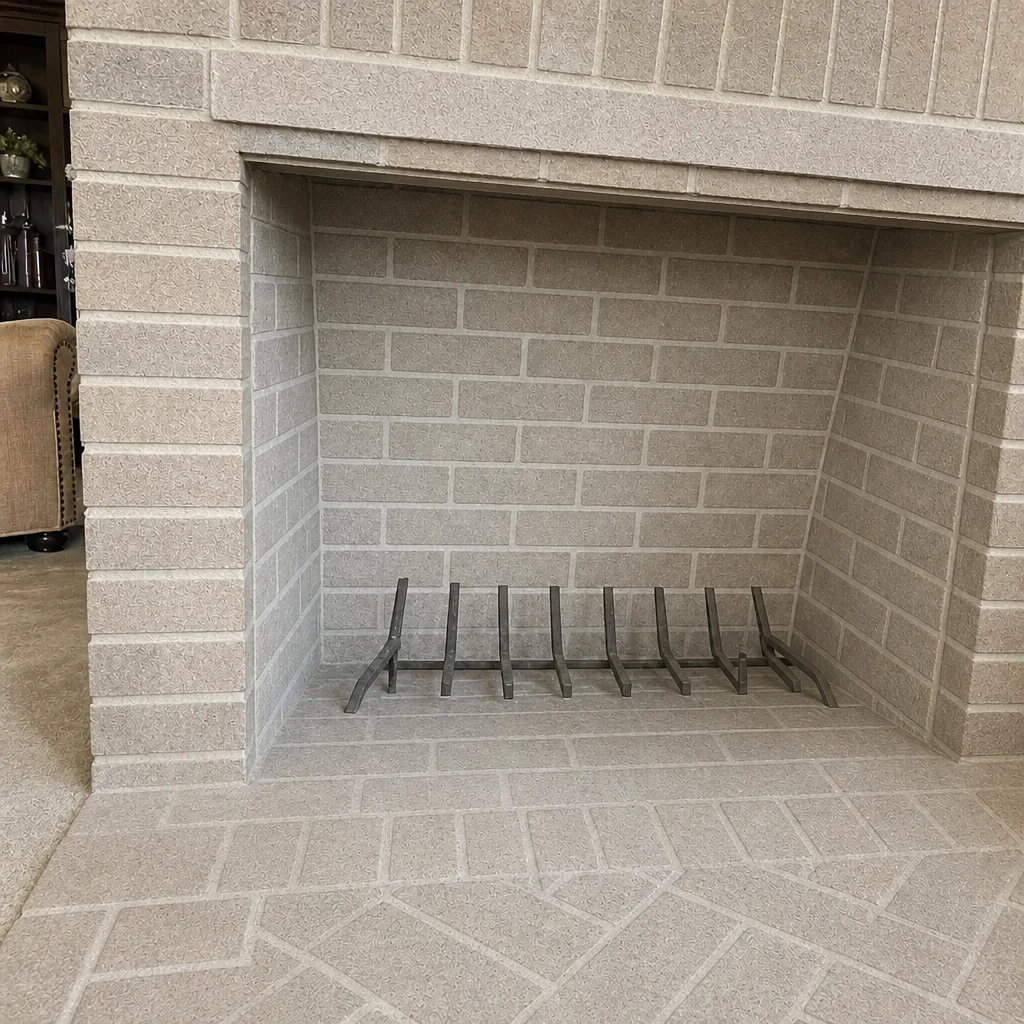
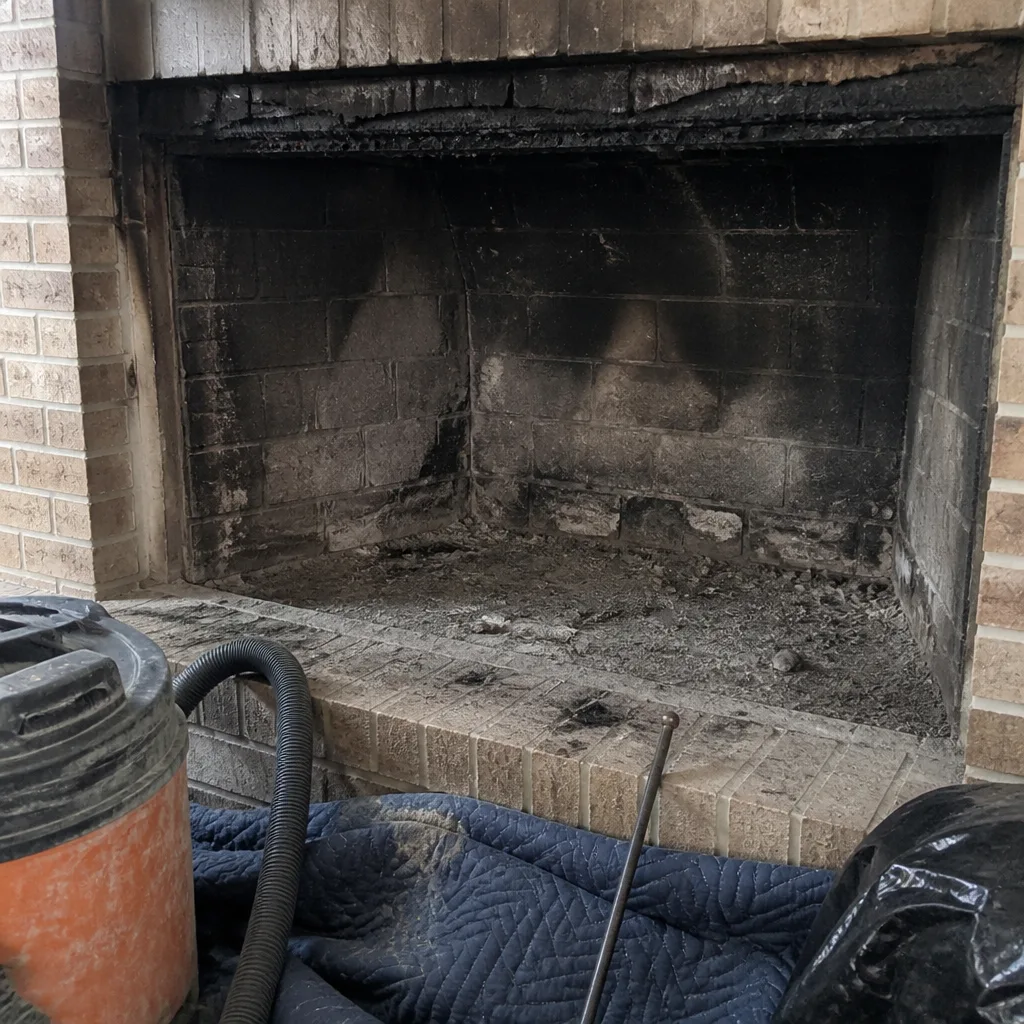
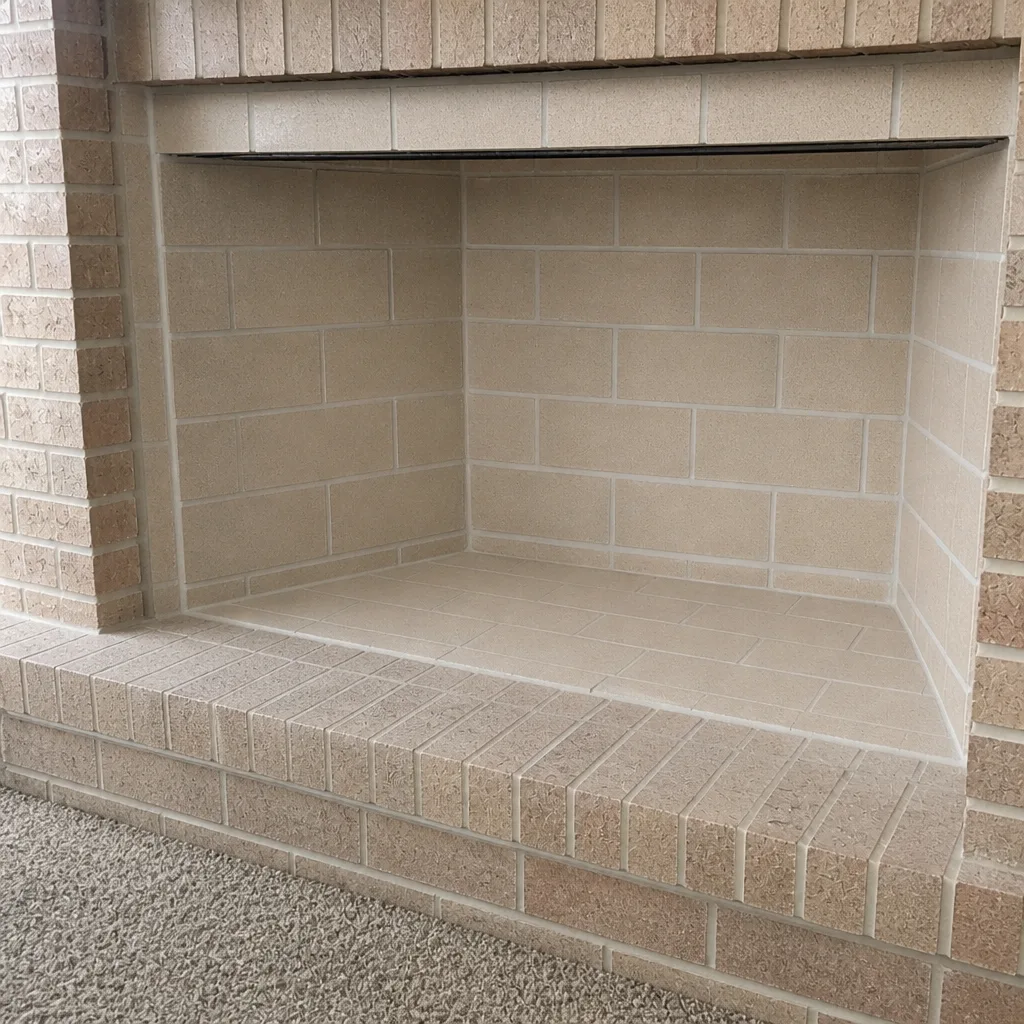
See the difference
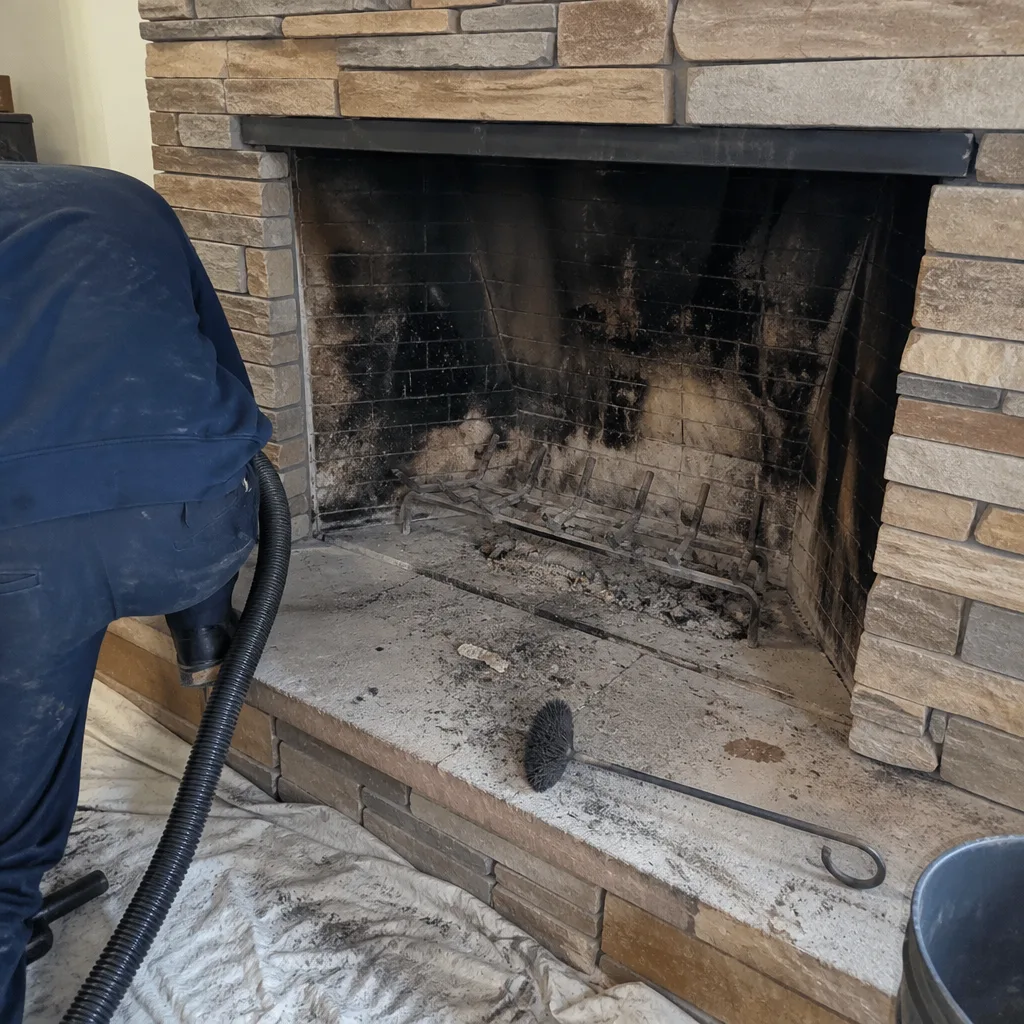 Before
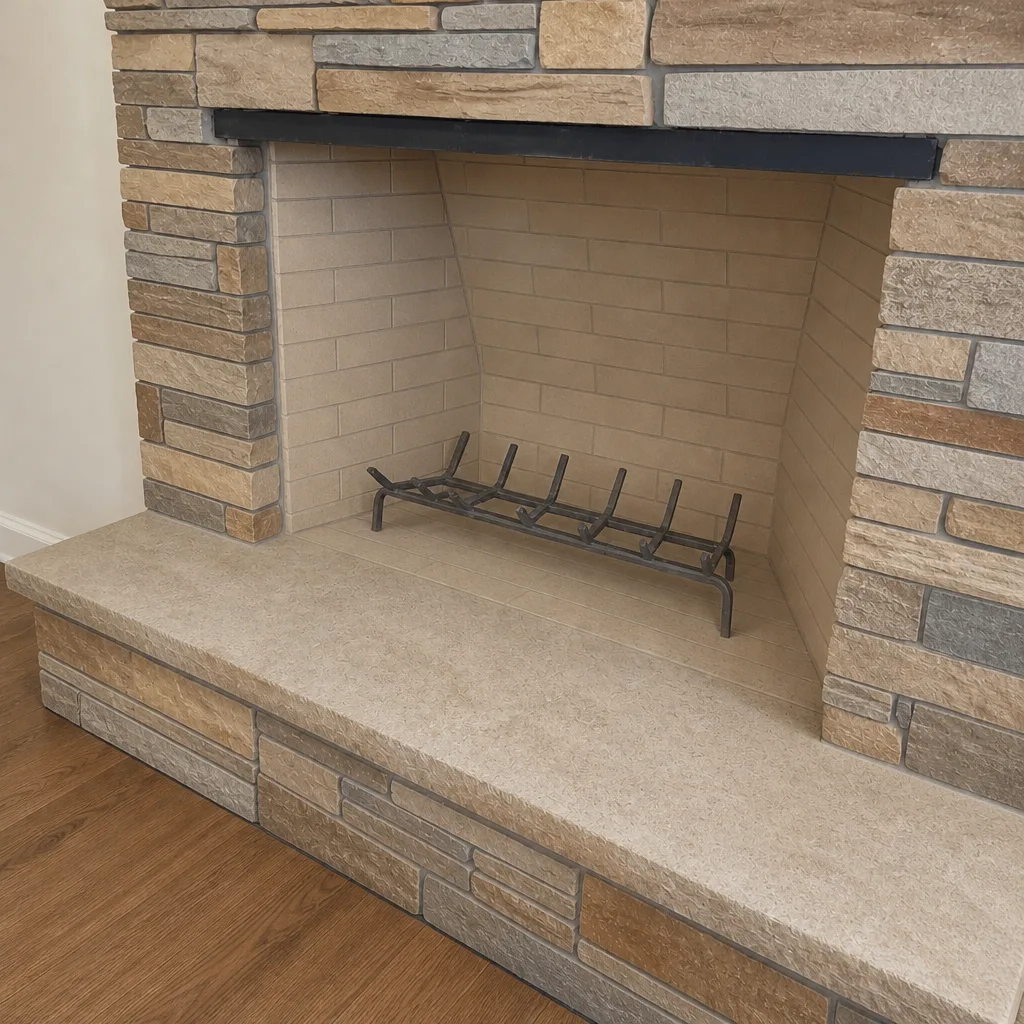 After
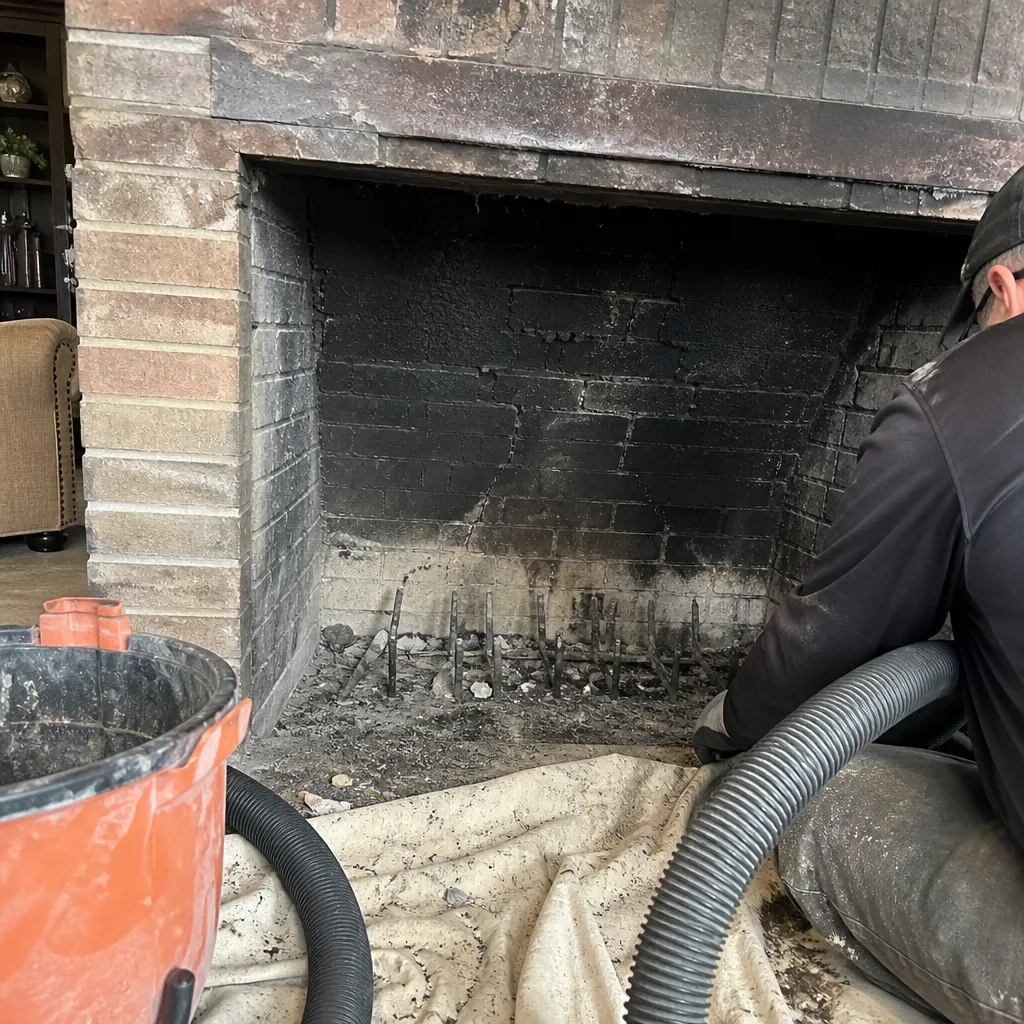 Before
 After
 Before
 After
When to Call a Professional
Call a professional for any of the following, without waiting for the scheduled visit. A chimney fire, even one you think was brief. Visible water staining around the firebox, damper, or chimney exterior. A change in draft or smoke rolling back into the room. A pre-1980 masonry chimney with no inspection record on file. A gas or pellet system that hasn’t been checked. Any suspicion that a liner is compromised. Any roof work that touched the chimney. And any moment an inspection with a camera would answer a question you can’t answer from the firebox. Professional sweeping, inspection, and repair are how a Highlands Ranch homeowner protects both the house and the insurance claim if something goes wrong later. Chimney Sweep Highlands Ranch offers free estimates in Highlands Ranch. Call (855) 550-7361. We answer 24/7. Fast dispatch from 7am to 7pm, Sunday through Friday.
Frequently Asked Questions
A typical professional chimney sweep in Highlands Ranch runs in the range of what the trade charges for a system-wide service: flue cleaning, smoke chamber and damper check, firebox and exterior inspection, and a written record of what was found. The written estimate sets the final price for the job, and it’s agreed before the work begins. Call (855) 550-7361 for an exact quote; estimates are free.
Yes, for the accessible straight flue section – a homeowner with a correctly sized poly brush, drop cloths, and a shop vacuum can remove Stage 1 soot. What a brush can’t do is assess the smoke chamber parging, liner joints, smoke shelf, or crown and cap, which are the areas where fire risk and water damage usually start. DIY is a maintenance step, not a substitute for an inspection.
You need a new liner if the camera inspection shows cracked or missing tile, joint gaps, or spalled material that lets heat reach the surrounding structure – and you should be shown the photo evidence before you decide. If no camera images are offered, ask for them. At Chimney Sweep Highlands Ranch we include the camera photos and photo report as part of the inspection, and the recommendation is based on what the camera shows. Call (855) 550-7361 for an exact quote; estimates are free.
Annually, as a baseline, for any chimney that’s in regular use – wood-burning or gas. Homes that burn through the whole winter, that burn unseasoned wood, or that have a pre-1980 masonry flue often benefit from a mid-season check as well. If you see smoke roll-out, dampness, or soot staining between visits, get an inspection before the next fire rather than waiting for the annual schedule.
Soot and creosote continue to accumulate on the liner, in the smoke chamber, and on the smoke shelf, which restricts draft and increases fire risk with each additional season of use. Water intrusion through a failing crown or cap continues to work into the masonry, and the freeze-thaw cycles in Highlands Ranch can open small cracks into larger ones. Skipping one season is sometimes safe if the system was inspected recently. Skipping multiple seasons is when the small, fixable problems become structural.
Coverage depends on your policy and the insurer’s evaluation of the claim. What generally helps a claim is a documented maintenance record: a dated professional inspection, a cleaning record, and any repair records on file. A claim with no professional inspection in recent history is more likely to face questions. Ask your insurer directly about their documentation expectations, and keep your inspection reports with your home records.
Yes. Inspection is available as a standalone service at Chimney Sweep Highlands Ranch, not just as an add-on to cleaning. That’s deliberate – it means you can get the diagnostic information without being pushed into work you may not need. If you want a pre-season assessment or a second opinion on a repair recommendation, call (855) 550-7361; estimates are free.
A sweep is the cleaning step – brushing the flue to remove soot and creosote. An inspection is the diagnostic step – a closed-circuit camera assessment of the flue, smoke chamber, damper, firebox, crown, and cap, with a written record of what was found. You need both, but you want the inspection first so you know what the cleaning is addressing. Our team performs both as part of a system-wide visit, and either is available on its own. For a full-system look at your chimney in Highlands Ranch, see Chimney Sweep Highlands Ranch.
The Bottom Line
DIY brushing removes soot from the accessible part of a flue. That’s a real maintenance step, and we’re not going to pretend it isn’t. What it doesn’t do is inspect the smoke chamber, the liner joints, the smoke shelf, the cap, or the crown – the components where chimney fires and water damage begin. For most Highlands Ranch homeowners the right answer is neither pure DIY nor a once-a-year brush pass. It’s a professional inspection with camera evidence on file, homeowner maintenance between visits, and clear trigger signs that get you on the phone before the next scheduled appointment. If you only take one thing away from this guide: the inspection is what protects the house. Everything else, including the brush, is maintenance.
Call (855) 550-7361 for a free estimate in Highlands Ranch. We answer 24/7. Fast dispatch from 7am to 7pm, Sunday through Friday. Whether you want a standalone inspection, a full sweep, or a camera check before burning season, we’ll tell you exactly what your chimney needs – and what it can safely wait on.
Written by the team at Chimney Sweep Highlands Ranch.