
Last updated November 25, 2026
 Sweep & inspection
 Caps & crowns
 Flue relining
 Masonry repair
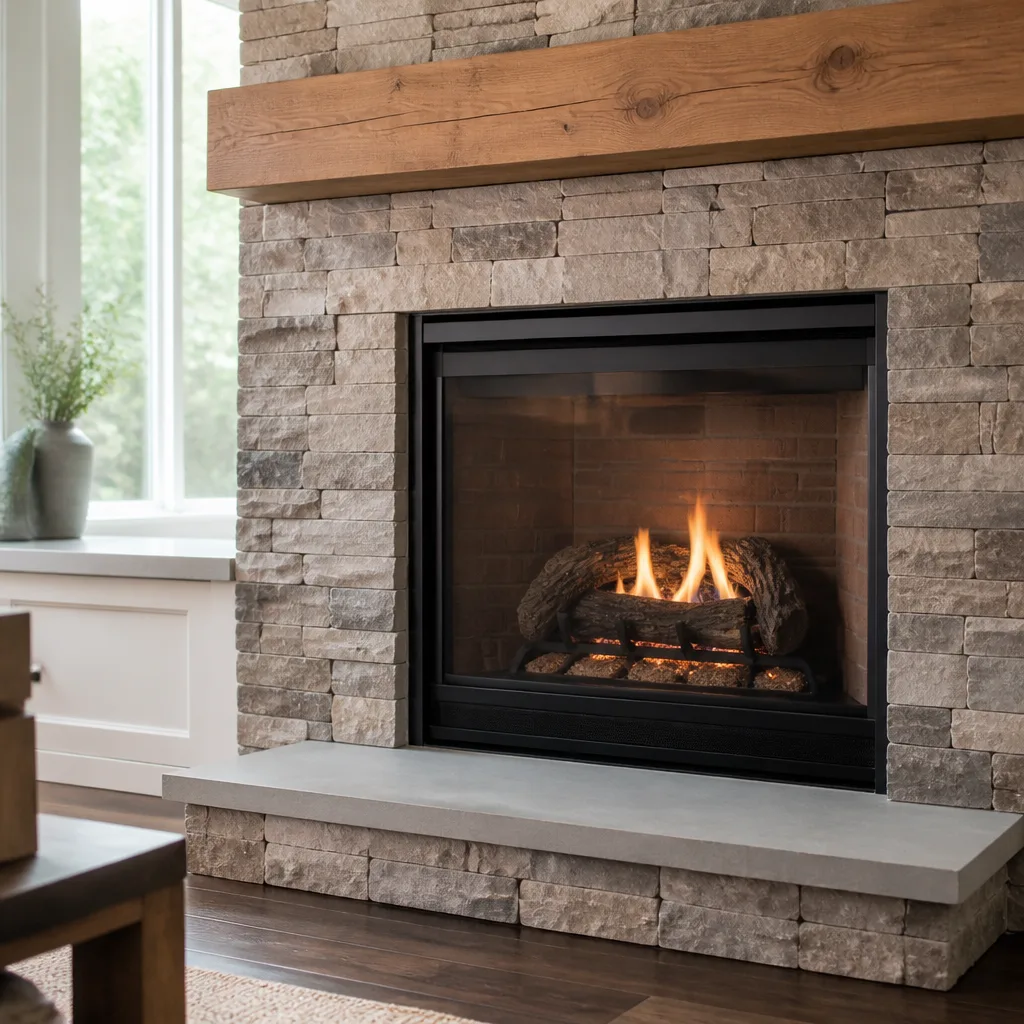 Gas fireplace service
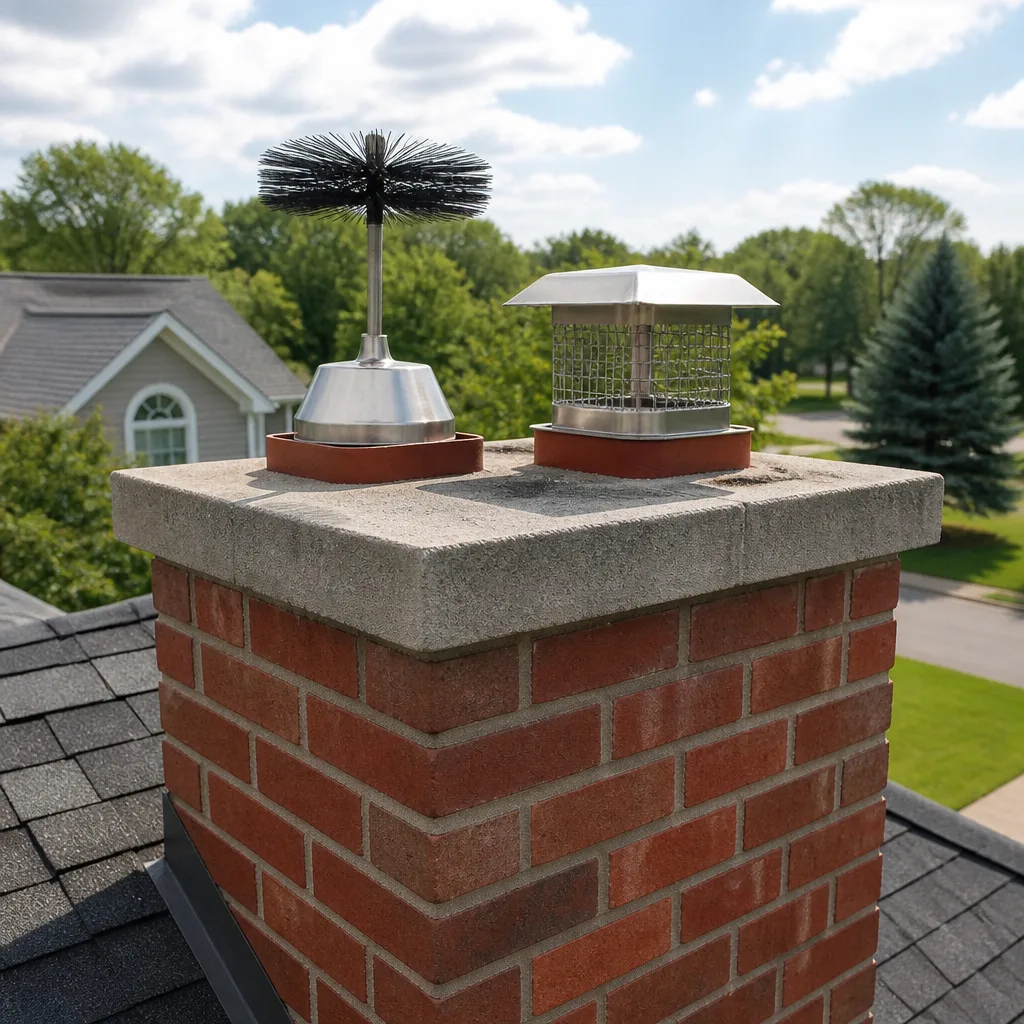
Level 1 sweep and inspection to the NFPA 211 annual standard - flue, crown, cap, and flashing checked and photographed
Chimney sweep logs do not sweep chimneys. They loosen some creosote - which then falls where a brush and vacuum still have to collect it.
Chimney Cleaning Cost Breakdown: The Highlands Ranch Homeowner’s Reference for 2026
The $99 chimney sweep and the $350 chimney sweep aren’t competing on price. They’re doing different jobs. One takes a brush up a flue and calls it clean. The other evaluates the whole system, documents what it found, and tells you what the fire risk actually is before anyone quotes a repair. Homeowners in Highlands Ranch comparing chimney cleaning quotes often assume the difference is markup or market variation, when the real gap is scope: what gets inspected, what gets documented, and which components of the system get touched at all. This guide breaks down what each price tier buys in 2026, how flue size and creosote stage change labor, and where the line sits between a real cleaning and a visual once-over.
Quick Answer
A standard chimney sweep in Highlands Ranch typically runs $99 to $600+ depending on scope. That range includes a basic brush-and-vacuum sweep at the low end, a sweep paired with a formal Level I inspection in the middle, and a sweep plus Level II video inspection or minor component work at the top. The written estimate sets the final price, and it should itemize what’s included before any work begins.
Styles & brands we work with
- Sweep & inspection
- Caps & crowns
- Flue relining
- Masonry repair
- Gas fireplace service
Table of Contents
- What the price tiers actually include
- Itemized cost breakdown by service type
- How flue size, chimney height, and creosote stage affect labor
- What “inspection included” really means
- Liner repair options compared: stainless, HeatShield, and tear-out
- Red flags in a chimney cleaning quote
- Common mistakes to avoid
- Frequently asked questions
What the price tiers actually include
Chimney cleaning quotes cluster into tiers, and each tier represents a different scope of work. Understanding the tiers before you call anyone is the fastest way to compare apples to apples across providers.
The basic sweep tier (roughly $99 to $180). This covers brushing the flue and vacuuming the firebox and smoke shelf. It’s the least expensive option because it requires the least time and the fewest tools. What it typically does not include: a documented inspection, a photo report, evaluation of the crown or cap, or any conversation about what creosote stage was found. On a lightly used chimney in good condition, this level of service can be adequate as a periodic cleaning.
The sweep plus Level I inspection tier (roughly $180 to $320). Here the technician sweeps and then performs a formal Level I inspection: accessible components of the firebox, damper, smoke chamber, flue, and chimney exterior get read against a checklist. You should receive written documentation and photos. Highlands Ranch homeowners with wood-burning fireplaces used regularly during the heating season are typically served well by this tier, because it verifies the system is safe to keep operating without going into diagnostic work.
The sweep plus Level II video inspection tier (roughly $320 to $600+). A Level II adds a camera run through the entire flue. It’s the tier that catches hidden problems: cracked or separated flue tiles, gaps in the liner, offset flues with debris traps, and internal damage that a visual look from the firebox can’t see. It’s typically recommended after a chimney fire, after a change in how the fireplace performs, or when a homeowner is unfamiliar with the flue’s history.
Why the range matters in Highlands Ranch specifically: the housing stock includes both single-story ranches and two-story homes, and the flue configuration on each drives labor differently. A two-story chase on a standard homesite is a longer run of flue to brush, a taller ladder setup, and more time on the roof. That labor difference is real, and any quote that ignores it is either losing money or cutting the work short. Call (855) 550-7361 for a specific estimate on your setup.
Itemized cost breakdown by service type
Below is the set of scopes most often quoted in Highlands Ranch, with typical price ranges for 2026. These are estimates, not exact figures; the written estimate is what sets your final price, and it should reflect your flue configuration, creosote stage, and any components that need work.
- Basic sweep only: $99 – $180
- Sweep plus Level I inspection (documented): $180 – $320
- Sweep plus Level II video inspection: $320 – $600+
- Standalone Level II inspection (no sweep): $180 – $350
- Smoke chamber resurfacing (HeatShield method): $800 – $1,800
- Stainless steel flexible reline (single-flue): $2,500 – $5,500
- HeatShield ceramic flue resurfacing: $1,500 – $3,200
- Full tear-out and rebuild of flue assembly: $6,000 and up, depending on masonry scope
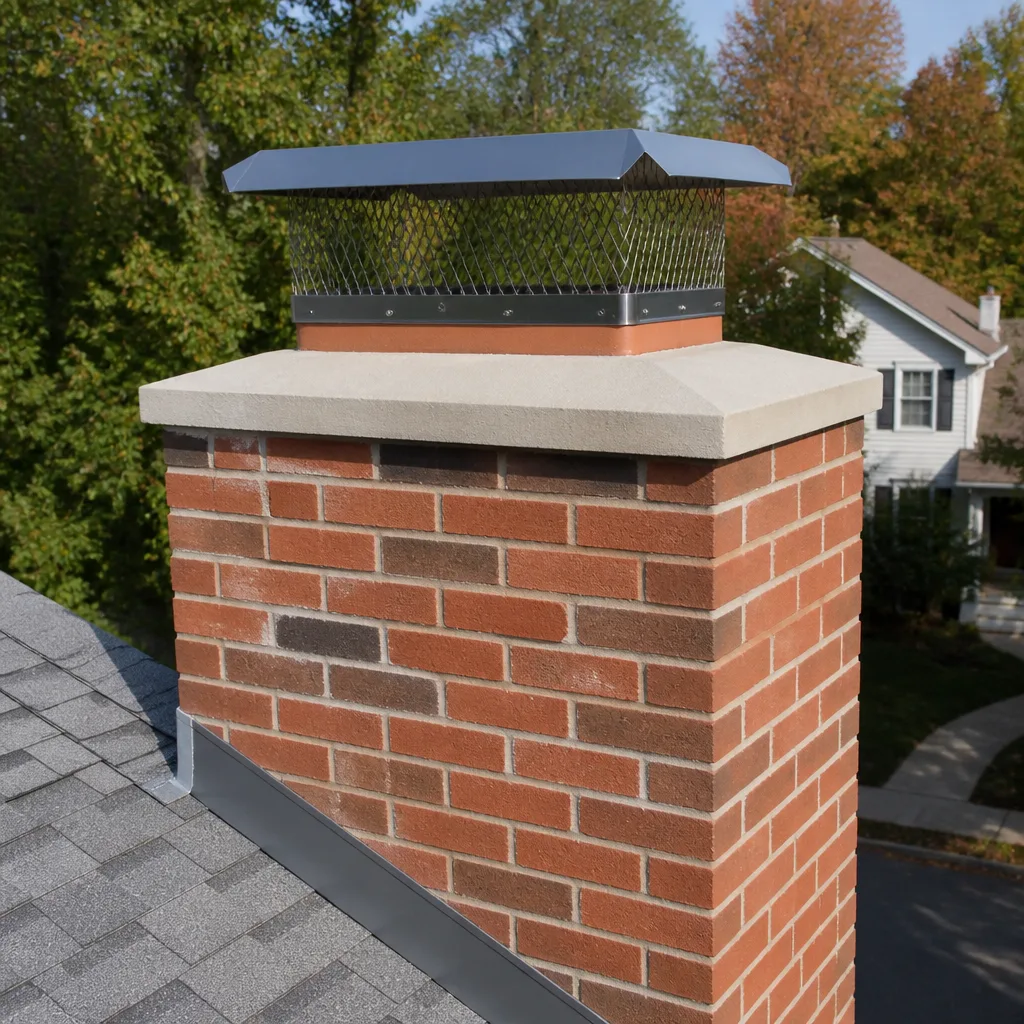
- Chimney cap replacement: $180 – $500
- Crown repair or replacement: $400 – $1,200
The line items above are the ones that should appear on any complete quote. If a provider quotes a single lump figure without itemization, you can’t tell whether disposal, inspection documentation, or roof-access labor is included. We build estimates line by line so the reader can see where each dollar lands, and we don’t add a scope to a quote unless it’s supported by what the inspection actually showed.
The reasons behind a repair recommendation matter even more than the numbers. A cracked crown gets recommended because water is entering the masonry, not because a technician wanted a bigger ticket. A reline gets recommended because the camera showed a failed flue, not because the flue looked old. If a quote skips straight to the expensive work without documenting why, ask to see the evidence before you agree. Call (855) 550-7361 for a free estimate that starts with an inspection.
How flue size, chimney height, and creosote stage affect labor
Three variables drive most of the labor difference between quotes. They’re also the ones most homeowners don’t know to ask about.
Flue size. A standard residential flue on a wood-burning fireplace typically measures in the 8-by-8 to 13-by-13 inch range. Larger flues take longer to brush, hold more debris, and often require a larger vacuum setup. Commercial or multi-flue chimney assemblies take longer still. A quote that assumes a standard flue and encounters a larger one may come back significantly different from the number you agreed on – which is why a provider who asks about flue configuration before quoting gives you a more reliable number.
Chimney height and configuration. On a single-story ranch in Highlands Ranch, the flue run is shorter and roof access is straightforward. On a two-story home, the roof pitch, chase height, and number of flues all add labor time. A two-story home with two flues (one for a wood fireplace, one for a furnace or gas appliance) is roughly twice the working scope of a single-flue ranch. That difference is not a surcharge; it’s the labor it takes to do the job with the flue fully swept on both runs.
Creosote stage. The Chimney Safety Institute of America (CSIA) classifies creosote into three stages:
- Stage 1 – soot and light flaky creosote. Brushable with standard tools. Shortest labor time.
- Stage 2 – hardened, crusty creosote. Requires more aggressive brushing and possibly chemical treatment. Adds time and can add a return visit.
- Stage 3 – glazed creosote. The most combustible form. Standard brushing won’t remove it. This stage is the one directly tied to chimney fire risk and typically needs removal before the chimney is safe to operate again, sometimes by rotary or chemical means.
Unseasoned wood and restricted air supply both accelerate creosote buildup. In Highlands Ranch, the dry climate helps with wood storage, but cold-season burning patterns still push a lot of homes into stage 2 within a couple of seasons. Any provider who doesn’t tell you which stage they found has skipped the most important part of the assessment. Call (855) 550-7361 and we’ll tell you what we see before we quote a repair.
What “inspection included” really means
Many low-cost sweep offers advertise “inspection included,” and the phrase stretches across a wide range of actual work. It can mean a technician shined a flashlight up the flue for a few seconds and called it good. It can mean a structured inspection performed to CSIA standards with a written checklist. The two services are not equivalents, and the pricing tiers reflect it.
Here’s the practical difference:
- Casual look: no documentation, no photos, no checklist. You get a verbal “looks fine” and nothing to file.
- Formal Level I inspection: checks accessible components – firebox, damper, smoke chamber, flue, chimney exterior – against a written standard. You receive documentation of what was inspected and any findings.
- Level II video inspection: adds a camera run through the flue to check for hidden defects (cracked tiles, failed joints, gaps in a liner, offset flue issues). Documented with photos or video frames. Recommended after any chimney fire or change in system behavior.
Why this matters for Highlands Ranch: a home with a previously installed stainless liner is a different inspection than a home with original clay tile. The liner type determines what a Level I can see versus what requires a camera. Original tile flues in older homes may have hairline cracks that only show on video. Homes that have had a reline at some point need to know the liner is still properly supported and sealed. That’s the level of detail a formal inspection captures and a casual look misses.
We offer inspection as a standalone service, not as a mandatory add-on. If you only want a Level II, we quote a Level II. If you only want a sweep, we quote a sweep. The reason we separate these services is simple: homeowners should be able to buy exactly the diagnostic they need without paying for work they didn’t ask for. Call (855) 550-7361 and tell us which scope you’re after.
Liner repair options compared: stainless, HeatShield, and tear-out
When an inspection shows the flue has failed – cracked tiles, failed joints, or a damaged liner – there are three main paths forward, and the price spread between them is wide. Choosing the right path is the single biggest cost decision in chimney repair.
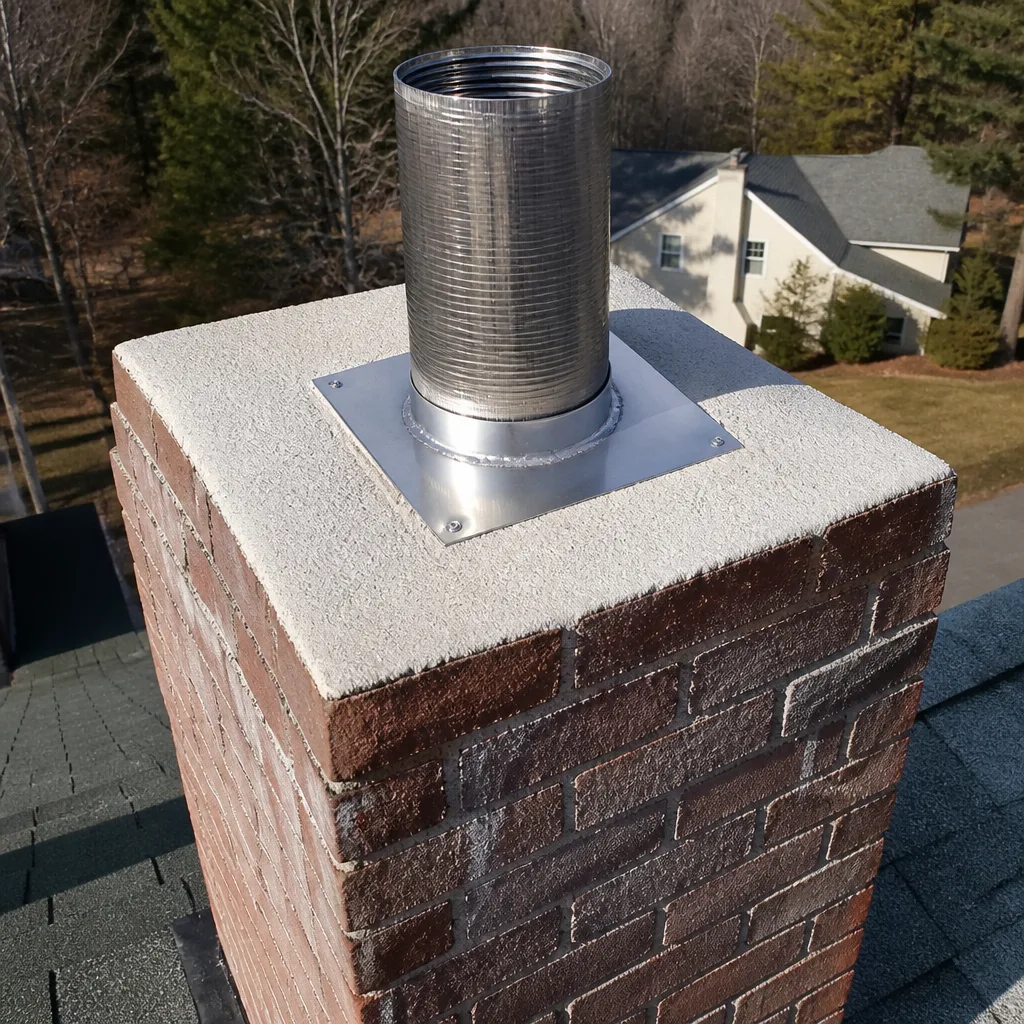
Stainless steel flexible reline (DuraFlex). A flexible stainless liner is sized to the flue and run down the full length, then connected at the top and bottom to the appliance and termination. DuraFlex covers complex flue paths that rigid liners can’t navigate, including offsets and not-quite-straight chases. Typical cost falls in the $2,500 to $5,500 range for a single flue, depending on length and appliance configuration. It’s the standard solution when the original flue is compromised and the chase is suitable for a liner.
HeatShield ceramic flue resurfacing. HeatShield is a specialized resurfacing system applied to a deteriorated flue’s interior. It restores the liner surface without tearing out the existing flue assembly. It’s often appropriate when the flue is deteriorating but structurally still intact, and it typically costs $1,500 to $3,200. HeatShield application has its own certification and product system; specifying this method requires the applicator to be trained in it. For a Highlands Ranch homeowner facing a mid-range flue problem – deterioration that’s real but not a full failure – HeatShield can restore function without the cost of a full reline.
Full tear-out and rebuild. When the flue structure itself is compromised (not just the interior surface), a stainless liner or resurfacing may not be structurally sufficient. That’s when a tear-out and rebuild gets considered. Costs typically start around $6,000 and climb with masonry scope. This is the path of last resort in most cases, but it’s the correct one when the surrounding chase or masonry is failing.
How to choose between them comes down to what the inspection found. A camera run shows what’s actually intact and what’s not, and that’s the only reliable basis for recommending one path over another. If a technician quotes a full reline without showing you photos of a failed flue, ask for the evidence. If the flue could be resurfaced instead of replaced, HeatShield may be the right answer and the cheaper one. We use professional-grade components from DuraFlex and HeatShield because they’re what chimney professionals specify for these jobs, not because they’re convenient. Call (855) 550-7361 for a liner recommendation grounded in what the inspection actually shows.
For the wider set of repair work that can come out of an inspection – cracked firebox panels, damper problems, masonry crown damage – our chimney repair service covers the full scope.
Red flags in a chimney cleaning quote
The clearest signal of a quote that’s likely to grow on arrival is the absence of line items. A lump-sum figure that doesn’t break out the components is not a quote; it’s a placeholder. Watch for these:
- No line item for inspection documentation. If the quote says “sweep and inspect” without specifying written or photo documentation, the inspection is likely a glance. The price may be fair for a sweep but not for a formal inspection.
- No line item for disposal. Debris has to go somewhere. A quote that doesn’t mention it may add the cost later, or leave it for you to handle.
- Roof access not addressed. Two-story homes with steep roof pitches take ladder work and roof-time. A quote that doesn’t acknowledge access is either assuming a single-story or will adjust after arrival.
- Repairs quoted before the inspection. A provider who quotes a reline over the phone without seeing the flue is guessing – or selling. Repairs belong after a documented inspection, not before.
- Creosote stage never mentioned. The stage matters both for labor and for safety. Any provider who skips this conversation has skipped the assessment.
- No written estimate at all. Verbal quotes leave both sides exposed. The written estimate is what the final invoice should match (barring scope changes you approved).
- Unspecified materials. If a repair quote doesn’t name the components – DuraFlex for a flexible reline, HeatShield for ceramic resurfacing, Copperfield or Famco for caps and crowns – ask what’s going in. The brand tells you what standard the work will be done to.
Common Mistakes to Avoid
- Choosing on price alone. A $99 quote isn’t a better deal than a $300 quote for a different scope. Compare what each quote includes, not just the bottom line. If the low quote doesn’t list inspection documentation or disposal, it’s not the same job.
- Assuming the flue is fine because the firebox looks clean. Most of the fire risk sits above the firebox where you can’t see it. A clean firebox says nothing about the condition of the flue or the smoke chamber.
- Skipping inspection because the chimney seems to work. A chimney can draft fine and still have a cracked tile or an accumulation of stage 2 creosote. Inspection is how you find out; the fireplace’s behavior is not a reliable test.
- Burning unseasoned wood to save on fuel. Wet wood burns cooler and produces more creosote, which accelerates buildup and pushes the flue toward stage 2 quickly. In Highlands Ranch’s dry climate it’s easy to get wood well-seasoned, so there’s no reason to burn green.
- Waiting until spring to have the chimney inspected. Fine in theory, but if the system has been struggling during the burning season, waiting means more months of using a compromised flue. Book the inspection when you notice a change, not on a calendar.
- Accepting a repair quote without seeing the evidence. A repair recommendation without a camera photo or documented finding is not verifiable. Nothing we recommend gets quoted without evidence the homeowner can see for themselves.
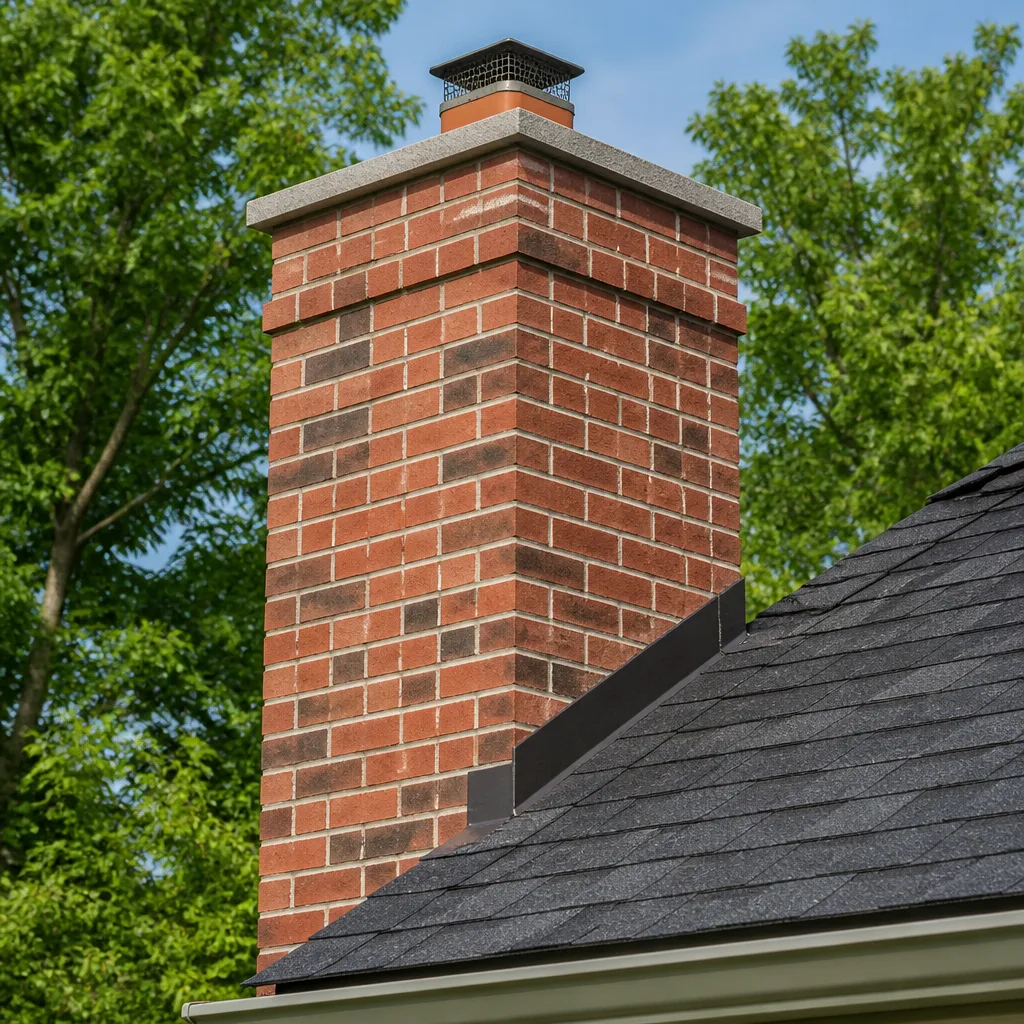
- Skipping cap and crown checks. Water intrusion through a failed crown or missing cap is one of the most common ways masonry damage gets started in Highlands Ranch. These are among the cheapest things to fix when caught early and the most expensive when ignored.
Routine cleaning is the front door to all of this, and a good chimney sweep should end with a clear picture of the system’s condition. If you also use the fireplace as a heating source, pairing a sweep with fireplace repair – damper, firebox panels, gasket – can extend the life of the unit. Our full service page at Chimney Sweep Highlands Ranch lists everything we cover from the firebox to the cap.
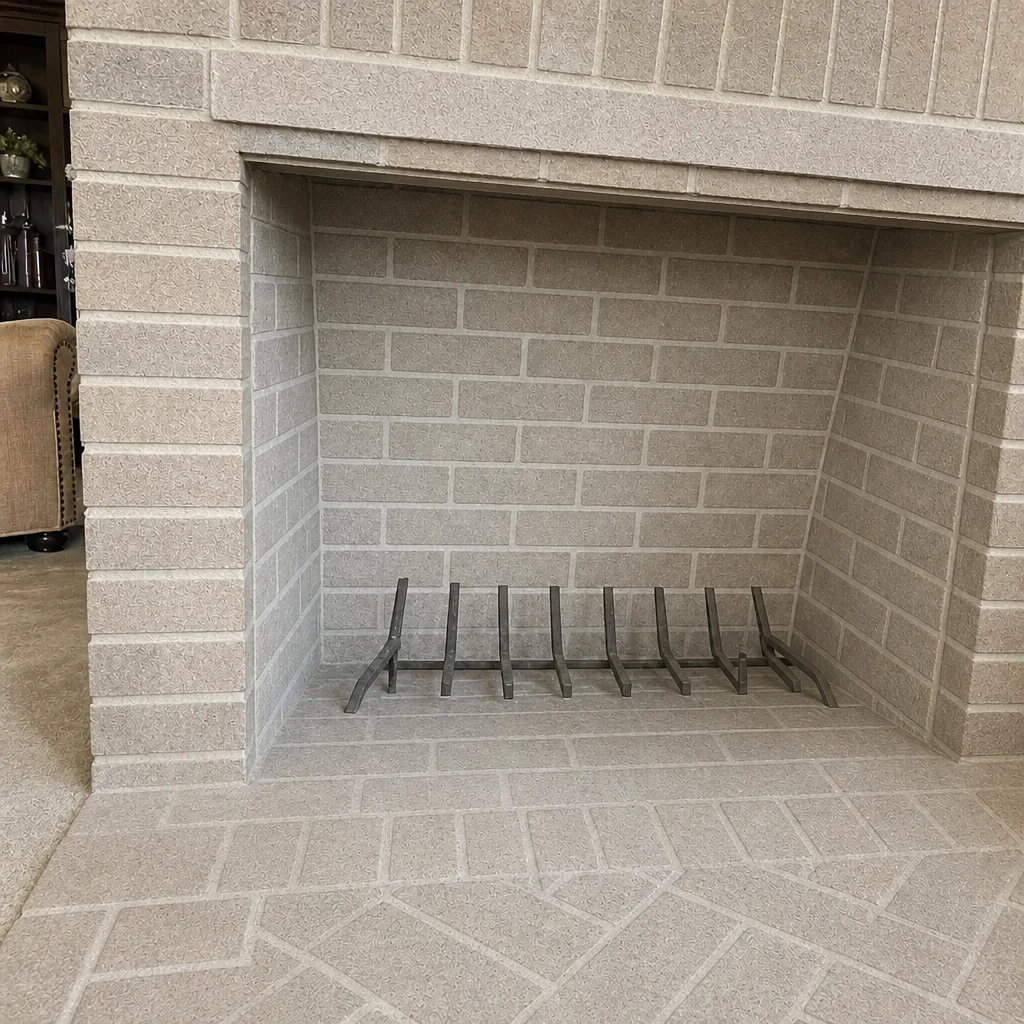
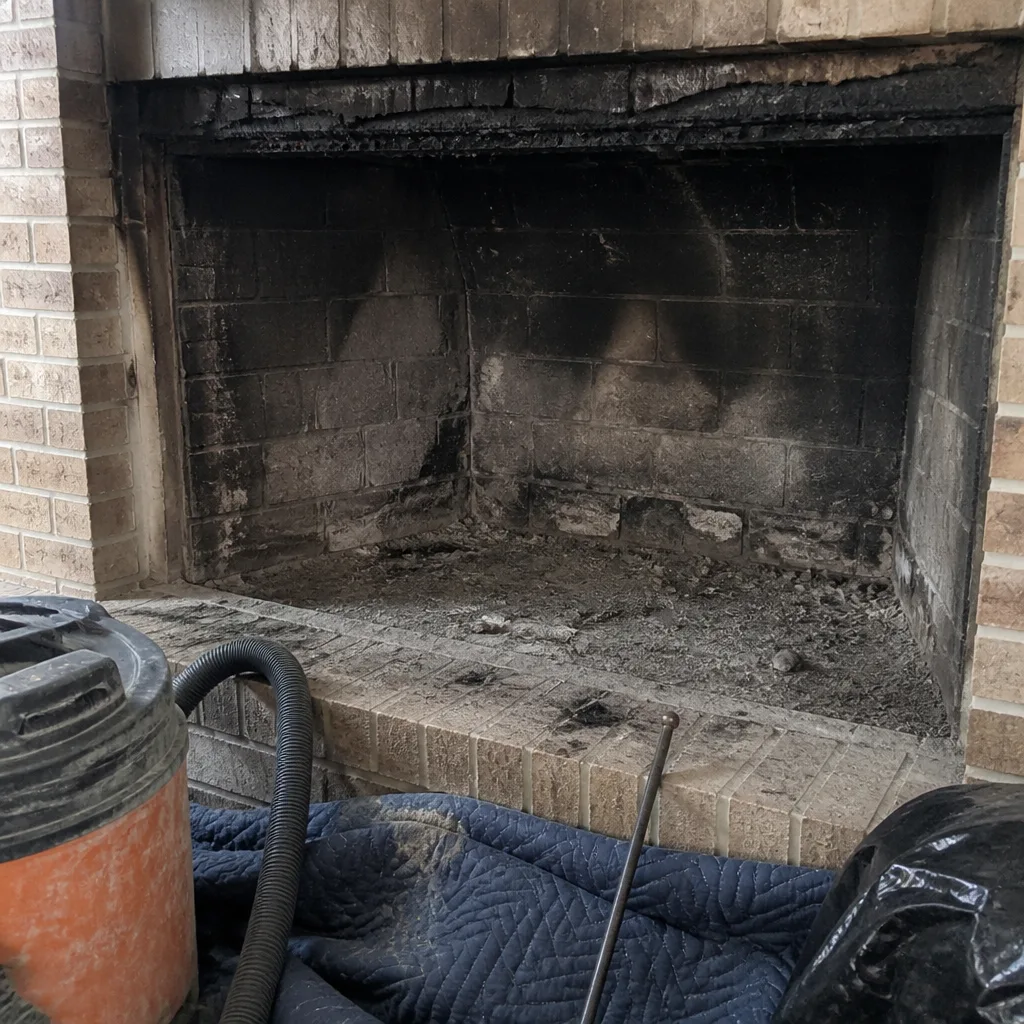
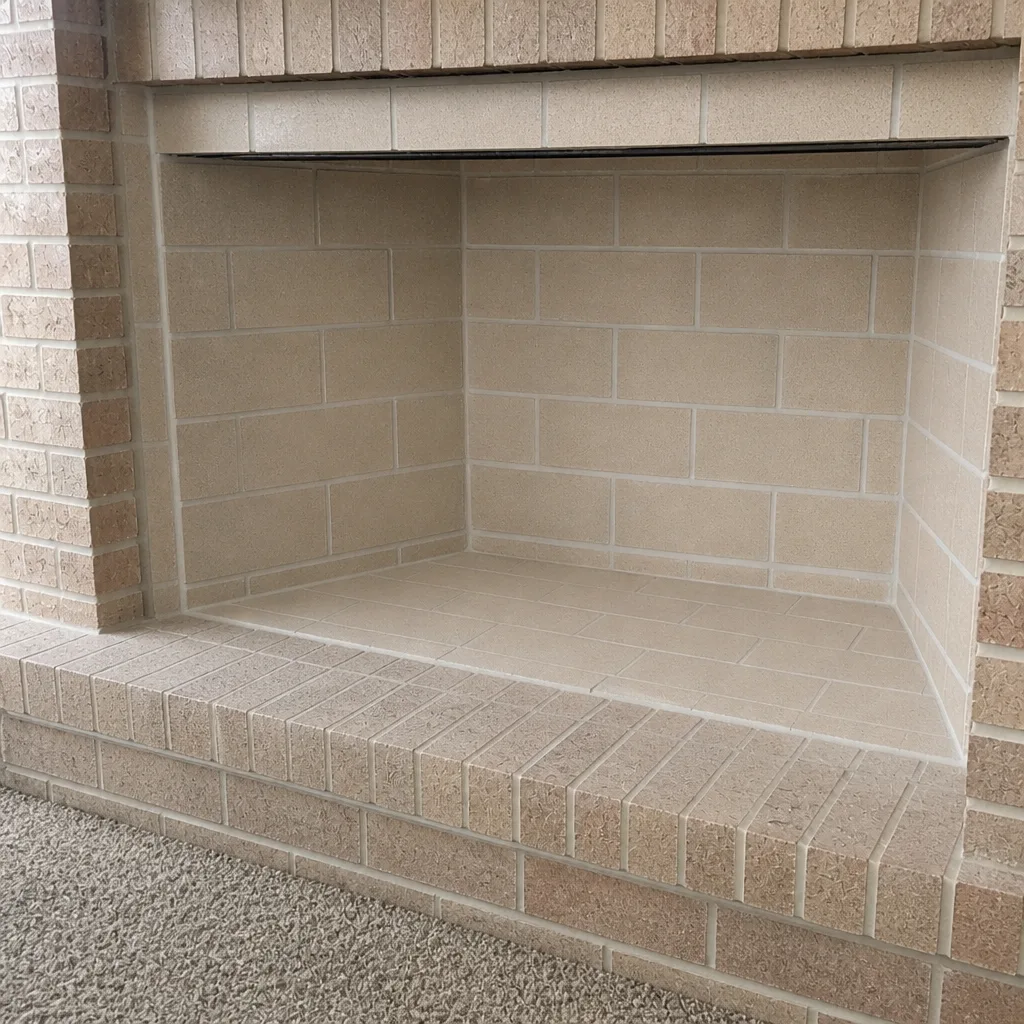
See the difference
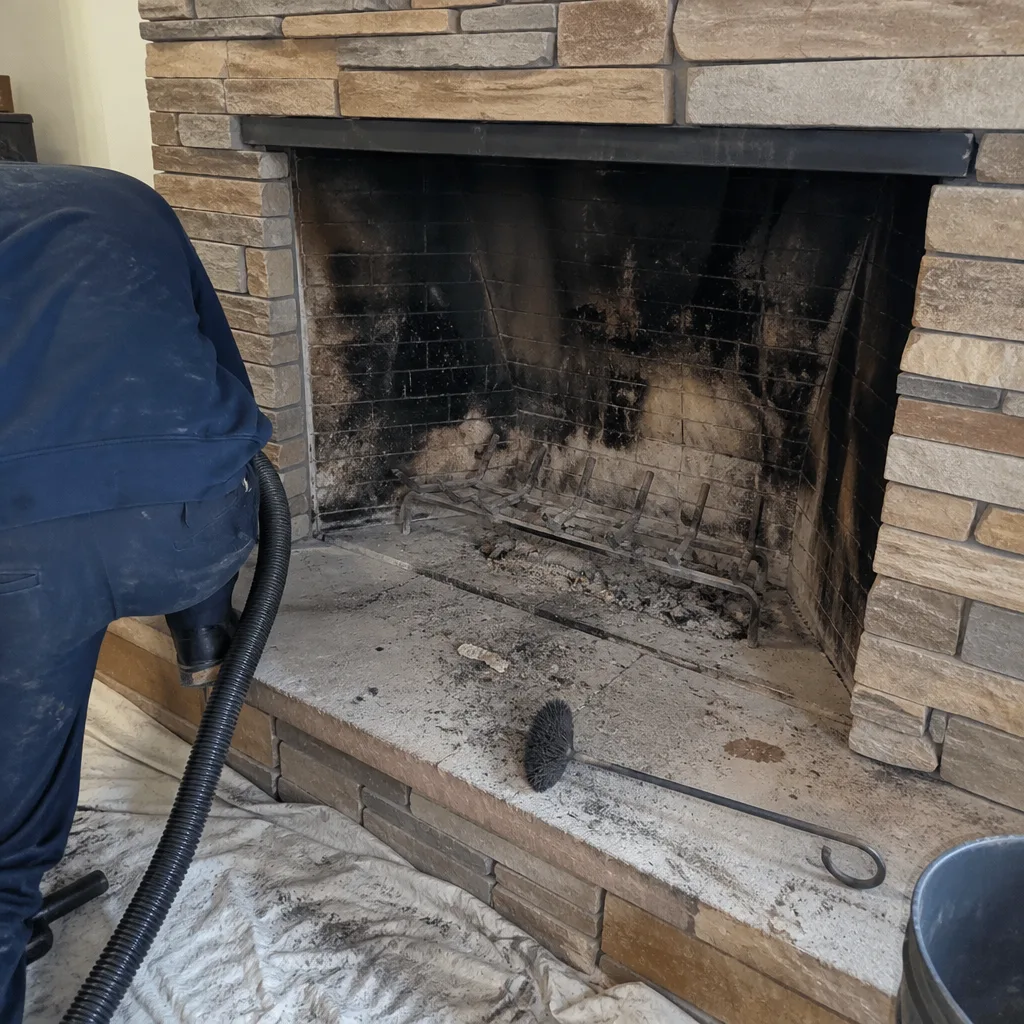 Before
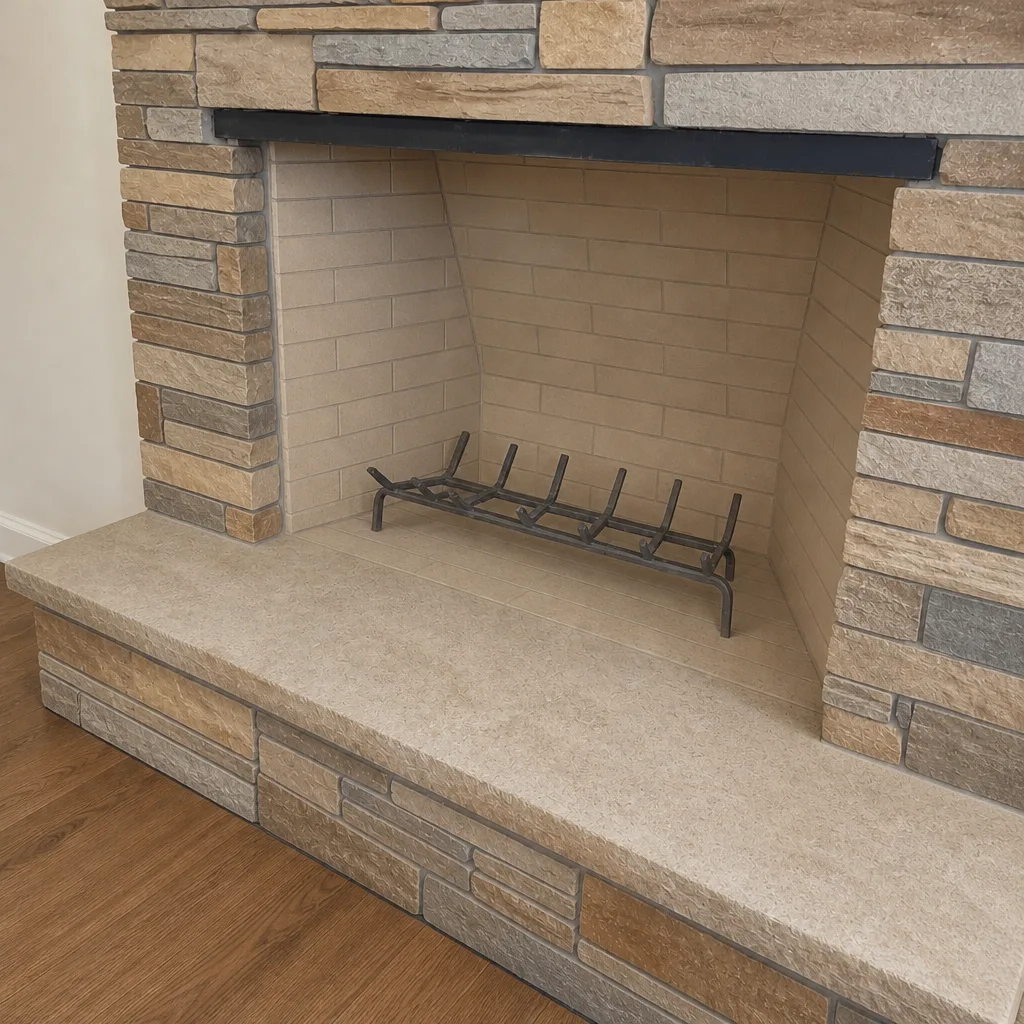 After
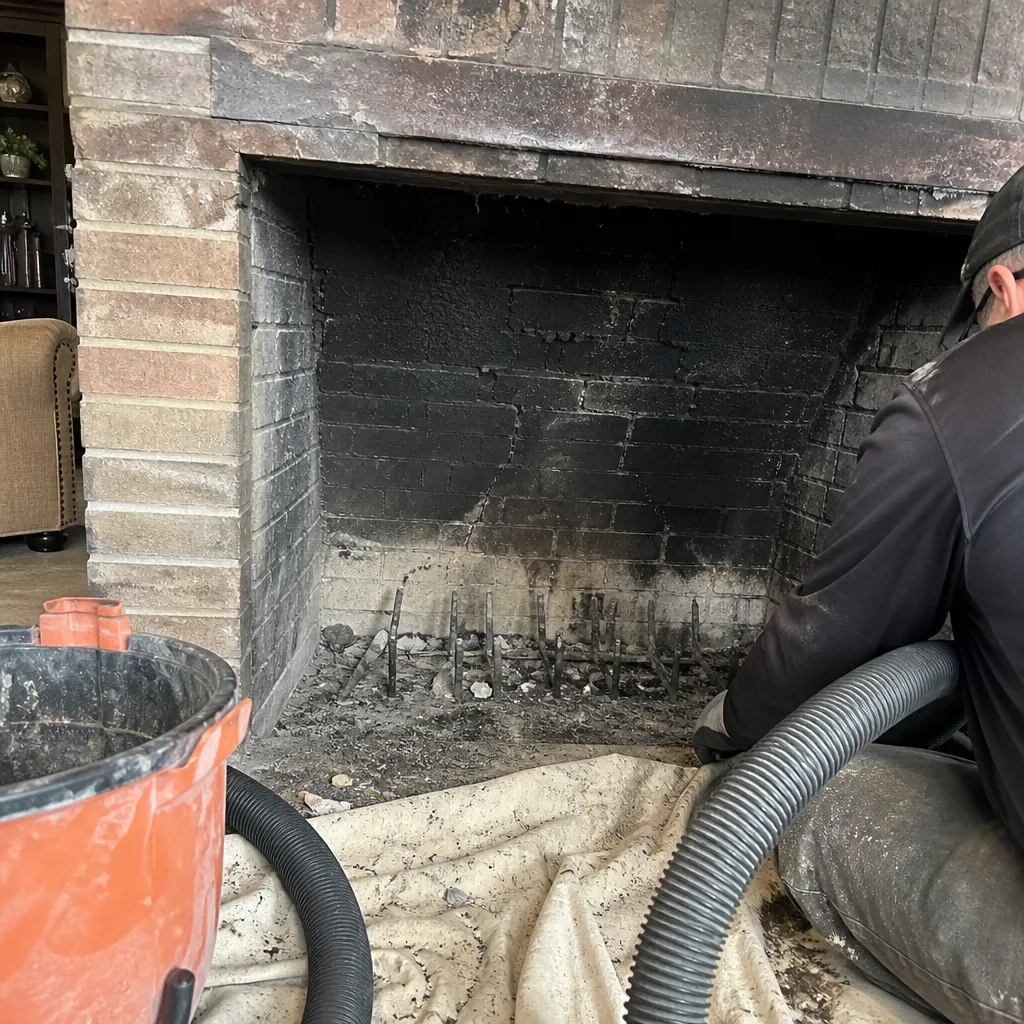 Before
 After
 Before
 After
When to Call a Professional
Some situations are routine cleaning. Others shouldn’t wait. Call a professional if you’ve had a chimney fire, if the fireplace has stopped drafting properly, if you smell smoke in the house when the fireplace is lit, if you see visible damage to the crown or cap, or if it’s been more than a heating season since the last sweep. Any of those signs points to something a visual once-over won’t resolve. Call Chimney Sweep Highlands Ranch at (855) 550-7361 for a free estimate in Highlands Ranch. We answer 24/7. Fast dispatch from 7am to 7pm, Sunday through Friday. An inspection first is how we recommend proceeding, because what you’re paying for should be clear before any work begins.
Frequently Asked Questions
A basic chimney sweep in Highlands Ranch runs about $99 to $180, while a sweep paired with a documented Level I inspection typically costs $180 to $320, and a sweep plus Level II video inspection runs $320 to $600 or more. The written estimate sets the final price, and the range depends on flue configuration, chimney height, and creosote stage. Call (855) 550-7361 for an exact quote – estimates are free.
Only if the inspection shows the existing flue has actually failed. A crack in the flue tile, a separated joint, or a compromised liner is a real reason to reline; a flue that looks old but tests intact is not. Ask to see the camera photos before you agree to any liner work, and if the flue could be resurfaced with HeatShield instead of fully relined, that option should be on the table. Call (855) 550-7361 for an inspection that documents the findings you’d need to decide.
A chimney should be swept once per heating season in most cases, and more often if you burn heavily or notice creosote buildup. If the flue reaches stage 2 creosote before the end of a season, the next cleaning should come sooner. A Level I inspection alongside the sweep is what tells you whether you’re on schedule or falling behind. Call (855) 550-7361 to book a sweep with a documented inspection.
Creosote accumulates. Stage 1 is light soot; stage 2 is hardened and crusty; stage 3 is glazed and combustible. A chimney fire is the most serious risk at stage 3, but even a stage 2 flue reduces draft efficiency and lets the firebox and damper wear faster. Beyond fire risk, a skipped winter leaves a compromised flue through the next season of use. Call (855) 550-7361 to have the flue evaluated before temperatures drop.
A Level I inspection reads the accessible components of the chimney system – firebox, damper, smoke chamber, flue, exterior – against a written checklist and gives you documentation. A Level II adds a camera run through the full flue to see what a visual inspection can’t: cracked tiles, failed joints, internal liner damage, or offset flue restrictions. Level II is typically recommended after a chimney fire, when the fireplace has stopped drafting properly, or when the system’s history is unknown. Call (855) 550-7361 if you’re not sure which level you need – we’ll tell you before you book.
Because the scopes are different even when the description sounds similar. One quote may be a brush-and-vacuum sweep with a verbal “looks fine,” while the other includes documented inspection, photo reporting, disposal, and roof-access labor for a two-story chase. Compare line items, not just totals, and ask what documentation each quote includes. Call (855) 550-7361 if you want a line-item quote from us to compare against.
The Bottom Line
Chimney cleaning costs in Highlands Ranch vary widely because the underlying work varies widely – not because one provider is inflating and another is honest. A $99 sweep and a $350 sweep are performing different scopes, and knowing the tiers is how you compare quotes fairly. Expect a formal inspection to be its own service, expect documentation to be part of a real inspection, and expect liner recommendations to be backed by camera evidence. HeatShield resurfacing and DuraFlex relining cover the two most common liner problems, and full tear-outs are reserved for structural failures. Before the burning season starts, book the sweep and the inspection together. Call (855) 550-7361 for a free estimate and a documented plan.
Written by the team at Chimney Sweep Highlands Ranch.