
Last updated November 25, 2026
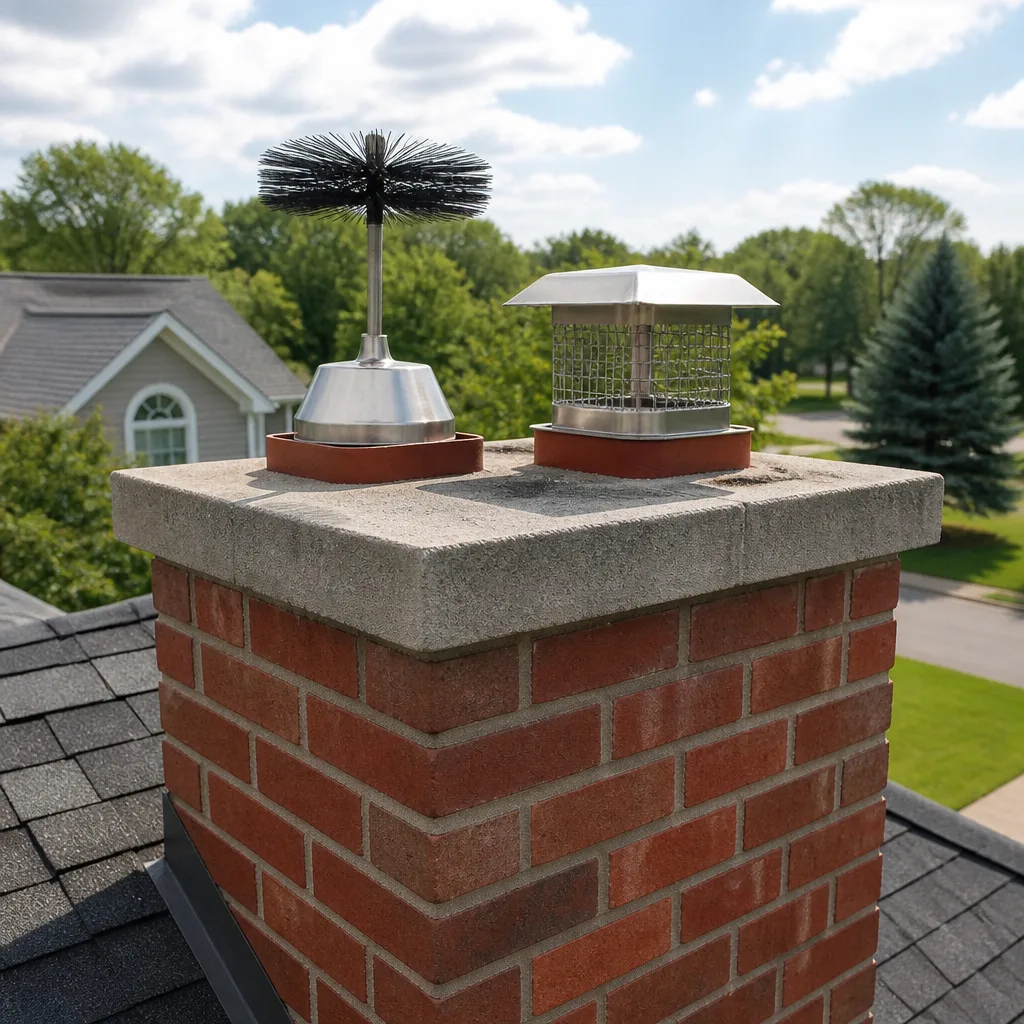 Sweep & inspection
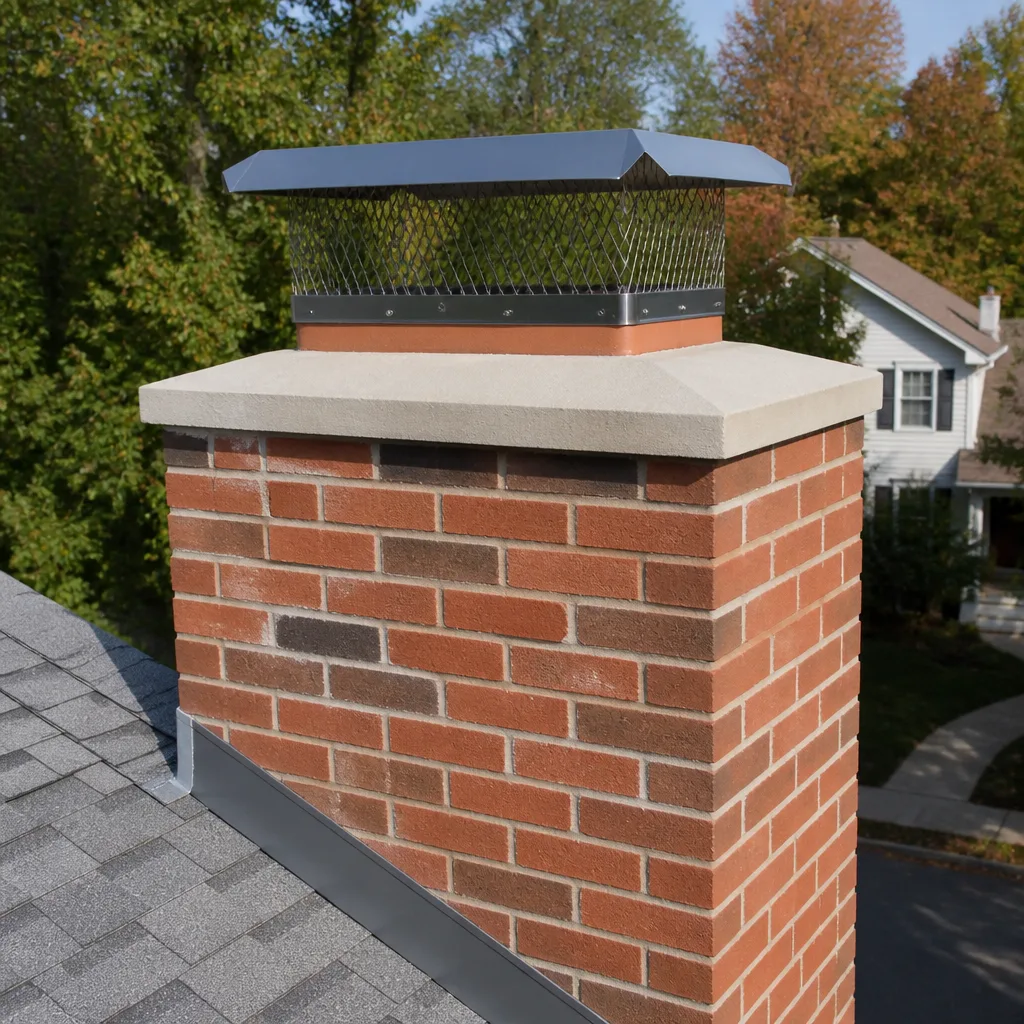 Caps & crowns
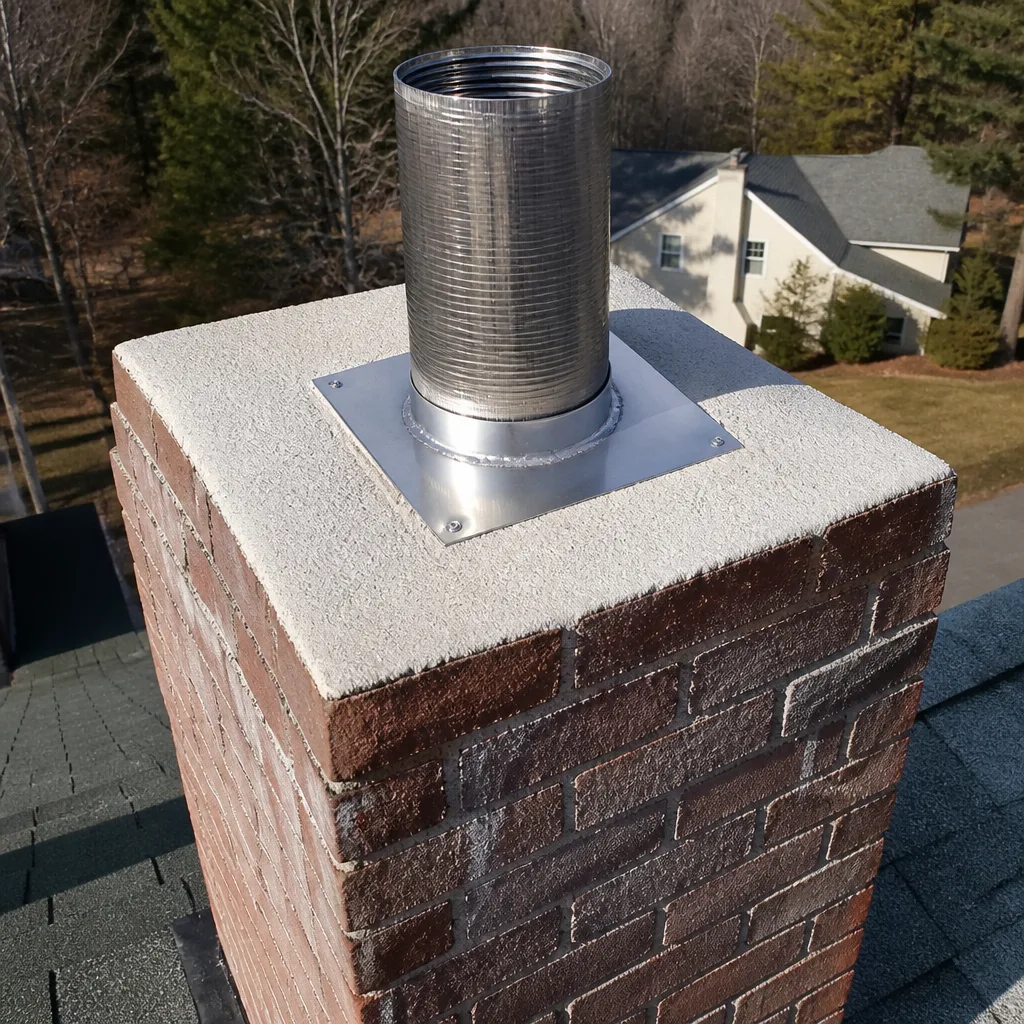 Flue relining
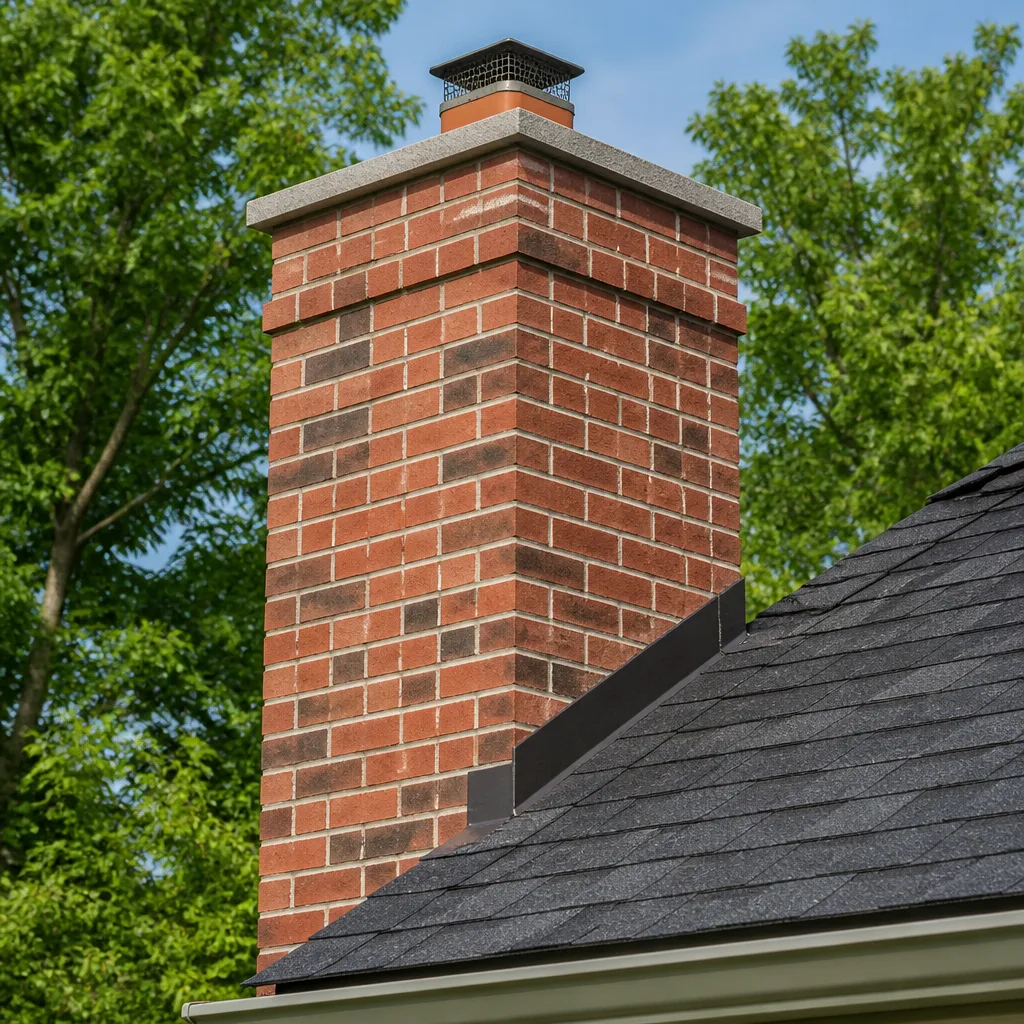 Masonry repair
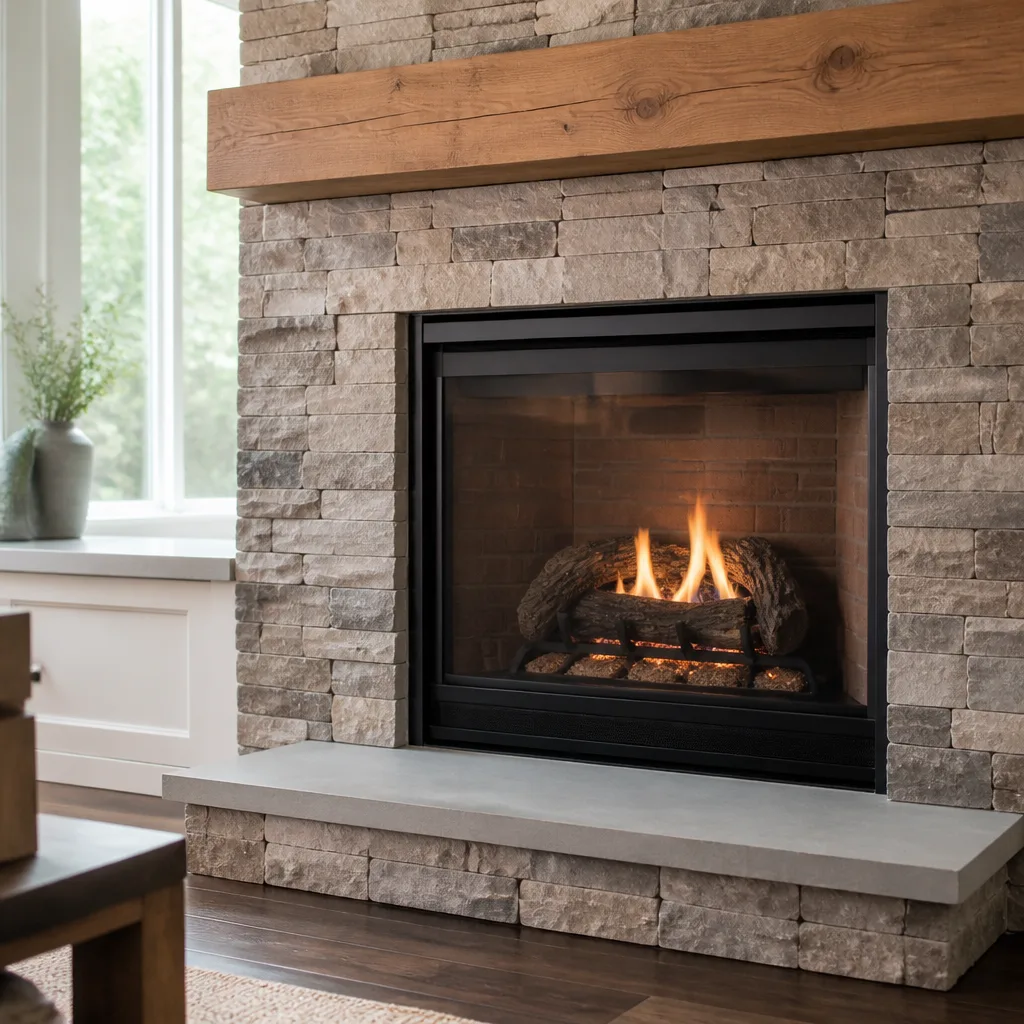 Gas fireplace service
Level 1 sweep and inspection to the NFPA 211 annual standard - flue, crown, cap, and flashing checked and photographed
Chimney sweep logs do not sweep chimneys. They loosen some creosote - which then falls where a brush and vacuum still have to collect it.
Choosing the Right Chimney Cleaning Brand: A Buyer’s Guide for Highlands Ranch
Your chimney contractor just recommended a 316Ti stainless liner from one brand over a 304 stainless from another, with a $400 price difference between them. How do you know whether that recommendation is technically justified for your flue, or whether it’s the higher-margin option dressed up as expertise? That’s the real problem with chimney work in Highlands Ranch: the products are buried inside the walls of your house, the specifications are unfamiliar, and the person recommending them has a financial stake in what you choose. This guide walks through the actual product categories used in professional chimney work, the recognized brands in each, and the specs worth asking about so the conversation stays grounded in performance. You’ll learn how to evaluate a liner recommendation, a cap, a crown sealant, or a creosote treatment on technical merit instead of sales pressure.
Quick Answer
The right chimney product is the one specified for your appliance type, flue size, and fuel, installed to the manufacturer’s written instructions, and listed by a recognized testing body like UL or ICC. Brand names matter less than whether the contractor can explain the alloy grade, gauge, warranty terms, and installation spec behind what they’re proposing. A professional-grade cap, liner, or resurfacing system is usually a different product from the look-alike on a big-box shelf, even when the category sounds the same. Ask for the spec sheet before you approve anything.
Styles & brands we work with
- Sweep & inspection
- Caps & crowns
- Flue relining
- Masonry repair
- Gas fireplace service
Table of Contents
- The five product categories behind every chimney recommendation
- Why stainless steel alloy grade matters for liner selection
- How to evaluate a chimney cap recommendation
- What “professional-grade” actually means versus big-box products
- Questions to ask your contractor about any recommended product
- Why Highlands Ranch conditions change the recommendation
- Common mistakes to avoid
- When to call a professional
The Five Product Categories Behind Every Chimney Recommendation
Chimney work isn’t one product. It’s five distinct categories, and a contractor’s competence shows in whether they can move between them without hand-waving. When we quote work in Highlands Ranch, the recommendation almost always falls into one of the following groups.
1. Chimney caps. The cap sits on top of the flue and does three jobs: keeps rain and snow out, keeps animals out, and sparks in. Recognized brands in this category include Gelco and HY-C. Cap quality comes down to mesh gauge, overhang, and how it mounts to the crown or flue tile.
2. Flexible liner systems. When a clay tile liner is cracked, spalled, or missing, a stainless flexible liner is the standard remedy. Brands you’ll see named in professional work include DuraFlex, Olympia Chimney, Rockford Chimney, Flex-King, and HomeSaver. The liner is the single most consequential product decision in chimney work, and the alloy grade discussion below explains why.
3. Smoke chamber resurfacing products. The smoke chamber is the tapered transition above the damper. It’s a known failure point because rough masonry there collects creosote and slows smoke. HeatShield and SmoothOver are the two recognized resurfacing systems, and HeatShield is a specialized process with its own certification and product system rather than a generic parging compound.
4. Crown sealants and repair materials. The crown is the concrete top of the chimney. CrownCoat and ChimneySaver are the common professional products, and both are formulated to flex with freeze-thaw movement rather than crack like standard mortar.
5. Creosote treatments. Anti-Creo-Soot and Creosote Remover Log are chemical treatments that change the structure of creosote deposits so they’re easier to remove at the next sweep. They’re a maintenance aid, not a substitute for sweeping.
Knowing these five categories lets you place any recommendation immediately. If a contractor can’t name which category they’re working in, that’s worth a follow-up question.
Why Stainless Steel Alloy Grade Matters for Liner Selection
Stainless steel alloy grade is the single most important specification in a liner recommendation, and it’s also the specification most often glossed over. The three grades you’ll encounter are 304, 316, and 316Ti. Each has a specific corrosion-resistance profile and a specific set of applications where it’s appropriate.
304 stainless steel
304 is the baseline alloy. It handles wood-burning appliances well when the flue gases are relatively dry and the fuel is consistent. It’s the least expensive of the three, which makes it the default in budget quotations. It’s not the right choice for every appliance, particularly gas and oil, where combustion byproducts are more acidic.
316 stainless steel
316 adds molybdenum to the alloy, which improves resistance to chloride and acid attack. For wood-burning appliances with a history of moisture problems, or for oil and gas appliances, 316 is often the technically correct choice over 304. It costs more and it earns the difference in the right application.
316Ti stainless steel
316Ti adds titanium to the 316 alloy. The titanium stabilizes the steel against a specific failure mode called sensitization, which happens when stainless is exposed to sustained high temperatures and chromium precipitates out of the alloy. In a chimney liner, that’s a real concern in solid-fuel applications where flue gas temperatures stay high. 316Ti is the top of the three grades, and it’s typically where a $400 price spread over a 304 quotation comes from.
How to evaluate the recommendation
- Ask which alloy grade is being proposed and why it’s specified for your appliance type.
- Ask what the flue gases look like for your fuel: wood, gas, oil, or pellet.
- Ask whether the liner is listed by UL or ICC for the specific appliance category.
- Ask whether the gauge meets the manufacturer’s spec for your flue diameter, not just the quotation’s.
- Ask what the warranty says about grade and use.
If the answer to the first question is “it’s stainless steel,” you don’t have enough information yet. All three grades are stainless; the recommendation only makes sense when the grade is matched to the application. When we specify a liner in Highlands Ranch, we’re matching the grade to the appliance and the flue path, and the written estimate names the grade so you can check it.
Restoring your existing flue with HeatShield is often the better conversation than replacing it, because the ceramic resurfacing system can typically be applied to a liner that still has structural integrity. The system is what professionals specify when a full tear-out isn’t necessary. For broader options, see our chimney repair page.
How to Evaluate a Chimney Cap Recommendation
A chimney cap is the cheapest line item on most chimney quotations and the one most often downgraded from professional-grade to hardware-store stock, sometimes without the homeowner knowing. In Highlands Ranch, where wind gusts and snow load are both real, cap quality matters more than it does in milder climates.
Four features separate a good cap from a look-alike:
- Mesh gauge. The two standard meshes are 14-gauge and 16-gauge. Mesh gauge is the primary driver of how long the cap holds up against wildlife and sparks, and how much it deforms under snow load. A 16-gauge mesh is what you find in retail stock; 14-gauge is what professional-grade caps like Gelco and Olympia Chimney typically use. Ask which grade is being installed.
- Overhang width. The cap should overhang the crown by at least a few inches on all sides to shed snow and water away from the flue tile. A cap that sits flush or nearly flush is only nominally protecting anything.
- Mounting system. Caps mount on the flue tile (the standard for single-flue chimneys), on the crown (when the tile is broken or multiple flues need coverage), or by a top-sealing damper integration. The mounting method affects how the cap handles thermal movement and how it can be removed for sweeping.
- Material. Stainless steel is the default for longevity. Galvanized steel caps exist and they’re cheaper, but they’re the product you replace in a few years.
When the cap is combined with the crown, water intrusion risk drops substantially. The cap and crown are the two leading failure points for water damage, and a single supplier for both is worth insisting on. Our chimney sweep reviews include a look at both.
What “Professional-Grade” Actually Means Versus Big-Box Products
The phrase “professional-grade” is used to describe anything. In chimney work, it actually means something measurable, and the difference shows up in three places: gauge and material, warranty terms, and installation requirements.
Gauge and material
A big-box stainless steel liner and a professional-grade liner look the same in the box. They aren’t the same. The professional-grade product has a thicker wall gauge, tighter manufacturing tolerances, and a specific material grade stated on the product. The retail product often has a nominal stainless label with no grade specification and a thinner wall. The thickness is the difference between a liner that lasts through a Highlands Ranch cold season and one that develops pinhole corrosion in a few years.
Warranty terms
Read the warranty terms, not the warranty claim. Professional-grade products carry warranties that run against the manufacturer on specific terms: for the original installation, against a stated failure mode, sometimes with a specific labor coverage. Retail products often carry a limited warranty that excludes the applications the product is actually being used for. If the warranty excludes your appliance type, the product isn’t the right one.
Installation requirements
Professional-grade products come with a manufacturer’s installation specification. That specification names the required clearances, the required fastening method, the required components (top plate, bottom support, insulation wrap, appliance adapter), and the sequence of installation. Retail products often come with generic instructions. When the installation spec isn’t followed, the warranty typically doesn’t apply, even when the product itself was fine. This is the difference between an installation that’s built to a manufacturer’s system and one that’s improvised.
We install from a defined portfolio of professional-grade brands rather than from what’s available on a retail shelf, and we’re authorized to work with DuraFlex, HeatShield, Gelco, Olympia Chimney, Famco, and Copperfield. Our technicians have up to 12 years of experience. When a recommendation is made, it’s because the product is specified for the application, not because it’s convenient to order. For an overview of the full-service approach, see Chimney Sweep Highlands Ranch.
Questions to Ask Your Contractor About Any Recommended Product
The single best defense against an upselling recommendation is a short list of questions asked before you approve the work. The answers either hold up or they don’t, and the asking tells you which way the contractor is oriented.
- What’s the warranty on this product? You’re looking for the manufacturer’s warranty, not the installation warranty. Ask what it covers, how long it runs, and what voids it.
- Is this product listed by UL or ICC? A third-party listing for the specific application (wood-burning, gas, oil) is a baseline credential. Without it, you’re trusting the contractor’s word over an independent test.
- What’s the installation specification for my flue size and appliance type? The correct answer references the manufacturer’s written installation spec, not a general rule.
- What alloy grade and gauge is this product? For liners, you want the numbers (304, 316, 316Ti, gauge). For caps, you want the mesh gauge and material.
- What does the spec sheet say is NOT covered? A product spec sheet lists exclusions. A recommendation without exclusions is either a product with no failure modes (impossible) or a contractor who hasn’t read the sheet.
- Why this product rather than the alternatives in the same category? The answer should reference your flue, your appliance, your fuel, and the local conditions, not “it’s what we always use.”
- What’s the cost difference for the next grade up or down, and what do I lose? A grade recommendation should be able to point to the specific performance difference worth the price spread.
If the answer to question six is vague, you haven’t gotten a recommendation; you’ve gotten a price. That’s the moment to push back.
Why Highlands Ranch Conditions Change the Recommendation
A recommendation made in a mild coastal market is not automatically the right recommendation in Highlands Ranch. The local variables that matter most for chimney products are wind, snow load, freeze-thaw cycling, and elevation.
Wind. Highlands Ranch sits on the Front Range and experiences sustained wind and gusts that stress a chimney cap. A cap that’s undersized in gauge, or under-overhung, will fail in wind. The recommendation should account for wind exposure at the roofline, not just the flue diameter.
Snow load. Snow accumulates on the crown and cap. A cap with insufficient overhang and mesh gauge will deform under a heavy snow load. A crown that isn’t properly sealed with a flexible product like CrownCoat or ChimneySaver will crack over the winter and let meltwater into the masonry structure.
Freeze-thaw cycling. The Front Range freeze-thaw pattern is a specific stress on masonry and on flexible liners. Water gets into a crack, freezes, expands, and widens the crack. Masonry that hasn’t been sealed will deteriorate faster here than in a stable-temperature climate. This is why crown and cap recommendations are conservative in Highlands Ranch; the local cycle is doing active damage every season.
Elevation. The elevation affects draft characteristics. A chimney that drafts well at sea level may draft less strongly in Highlands Ranch, especially on warmer days. Draft affects the smoke chamber performance and how much creosote deposits. The right smoke chamber resurfacing product (HeatShield or SmoothOver) is applied to smooth the transition and reduce smoke turbulence; the wrong one is applied as cosmetic parging.
In our experience, the recommendations that hold up best in Highlands Ranch are the ones where the cap, crown, and liner decisions are considered together rather than line by line. A cap that’s been uprated but a crown left unsealed is a half-finished job.
How to Compare Two Quotes on the Same Chimney
Two quotes for the same chimney work won’t be directly comparable until you normalize them. The line items that most often differ are the ones below.
- Liner grade. A 304 quote against a 316Ti quote on the same flue isn’t an apples-to-apples comparison; it’s a different product. Ask each contractor which grade they specified and why.
- Insulation wrap. Flexible liners are often wrapped in insulation to improve draft and reduce creosote condensation. A quote that omits the wrap is cheaper for a reason.
- Top plate and bottom support. The liner needs a top plate at the crown and a bottom support at the appliance. If those aren’t in the quoted line items, the installation isn’t complete as specified.
- Camera inspection. A quote that includes a camera inspection before the liner work is safer than one that quotes the liner before looking. If the flue has an offset or damage, the inspection changes the recommendation.
- Cap and crown. Check whether both are in the quote. A liner job that leaves the old cap and the cracked crown in place is half done.
- Warranty statement. Read what each quote says about warranty. A quote that doesn’t mention one is a quote without one.
The best exercise is to ask both contractors to quote the same scope, using the same product category names, and to attach the manufacturer’s installation spec sheet to the quote. The quotes that respond to that request cleanly are usually the ones worth taking seriously.
FAQ: What Does “Brand” Actually Mean in Chimney Products?
Brand in chimney products operates differently than brand in consumer goods. In consumer categories, brand recognition is a shorthand for quality. In chimney products, brand recognition is a shorthand for something more specific: which professional supply channel stocks it, which testing body has listed it, and which installation specs come with it.
The brands you encounter in professional chimney work (DuraFlex, HeatShield, Gelco, Olympia Chimney, Famco, Copperfield) aren’t advertised. Homeowners don’t see them on television. They’re specified by chimney professionals because they’re stocked through the trade supply chain with the specification sheets and the installation components that professional installations require. The retail alternatives in the same category exist because a big-box store will stock whatever the buyer thinks will sell, not what the trade specifies.
That’s why the brand conversation isn’t really about the brand. It’s about whether the product was designed for and specified by the trade, or designed for and sold to consumers. When we use DuraFlex, it’s because the product is specified by professionals for flexible liner installation, including the non-standard flue paths that a rigid liner can’t handle. When we use HeatShield, it’s because it’s a specialized restoration system with its own certification process. The brand is the signal that the professional channel was involved; the spec sheet is the substance.
If a product has no spec sheet, no listing, and no manufacturer’s installation spec, you’re not buying a chimney product. You’re buying a shape that happens to fit your chimney.
How the Product Categories Fit Together in a Single Service Visit
Homeowners often assume a chimney job involves one product: the liner, the cap, or whatever the last contractor mentioned. In reality, the five product categories interlock, and a job done well treats them as a system.
- Sweep first. Before any product recommendation, the flue needs to be cleared. The sweep is what makes the inspection meaningful; you can’t evaluate a liner through creosote.
- Inspect second. The inspection is where the flue’s actual condition is documented: the flue tile, the smoke chamber, the crown, the cap. Camera inspection and a photo record of what’s found are the basis for any recommendation.
- Recommend third. Recommendations follow the inspection, and the categories they fall into should be named explicitly. When we recommend a liner, we’re naming the alloy grade and the product category. When we recommend a cap, we’re naming the gauge and the mounting system.
- Install fourth. The installation follows the manufacturer’s spec, not a general contractor habit. The top plate, bottom support, and insulation wrap are installed to spec, not skipped for speed.
- Verify last. A post-installation check confirms the cap fits, the crown is sealed, and the liner is correctly seated. That check is what closes the loop.
An inspection can be a standalone service. You don’t need to buy a cleaning to get a proper inspection, and if you only want a diagnostic before you approve any work, that’s a valid scope. Our fireplace repair work is similarly scoped to what’s actually wrong, not to a package.
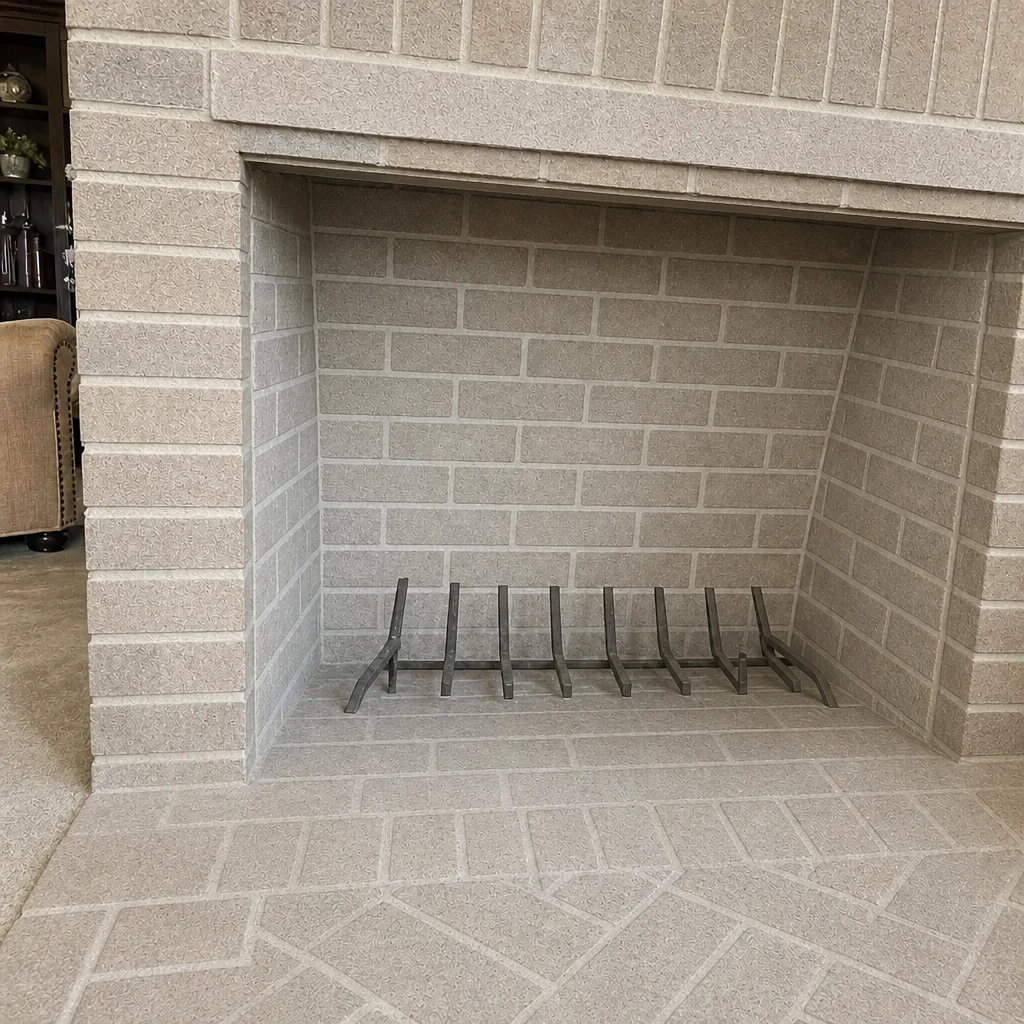
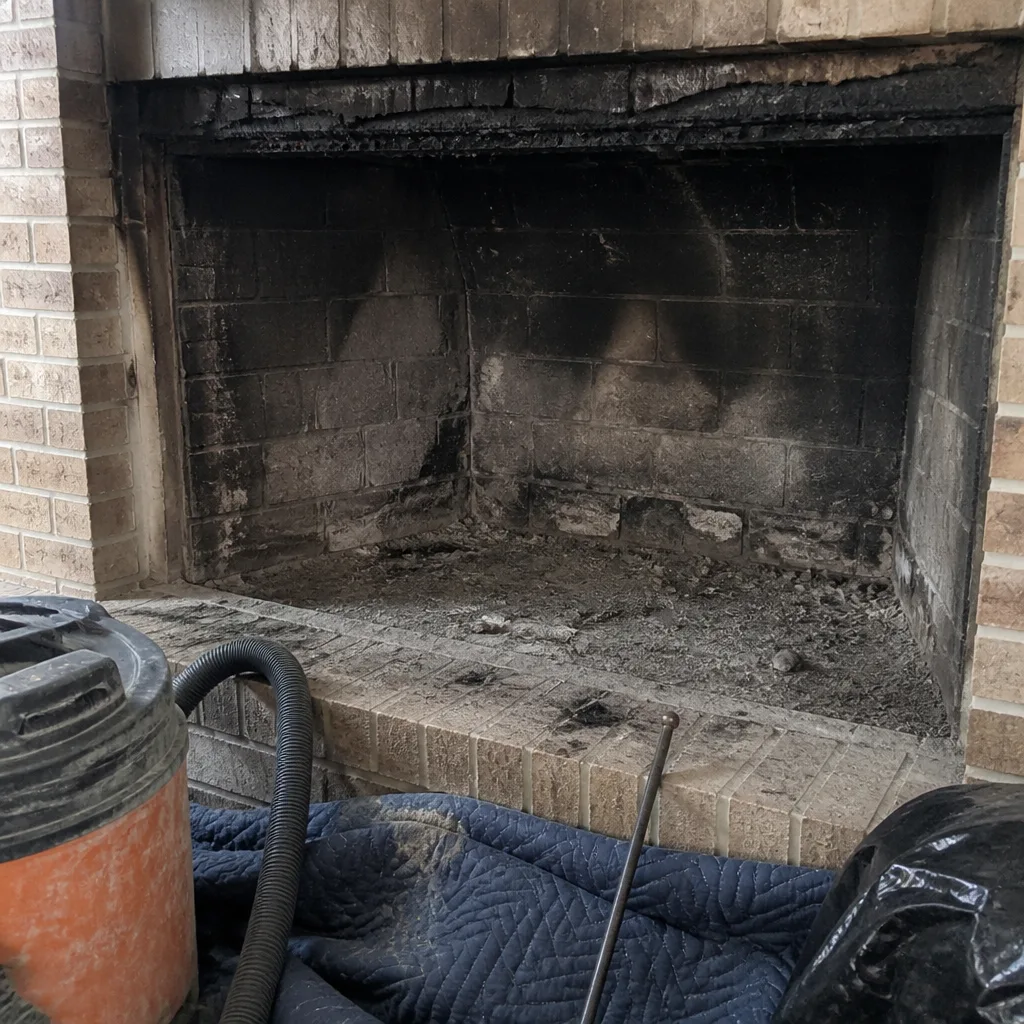
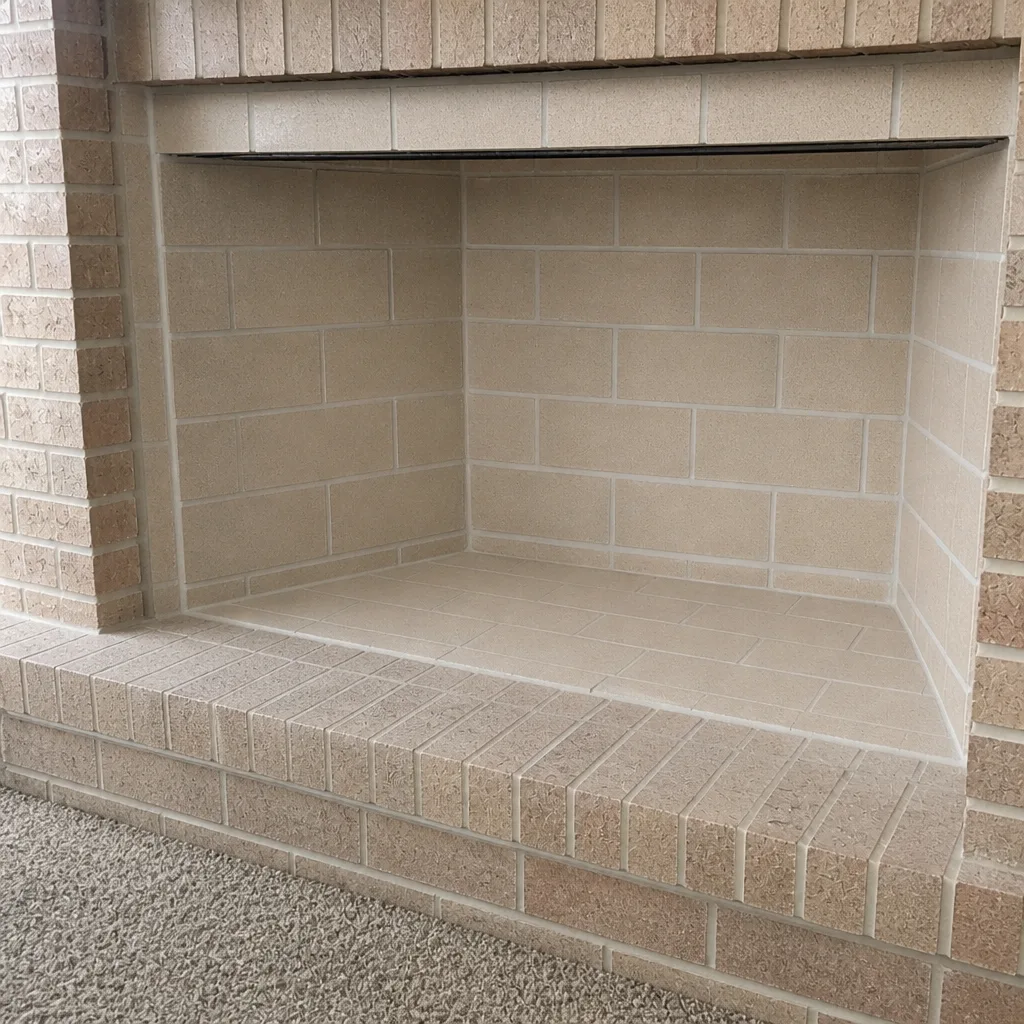
See the difference
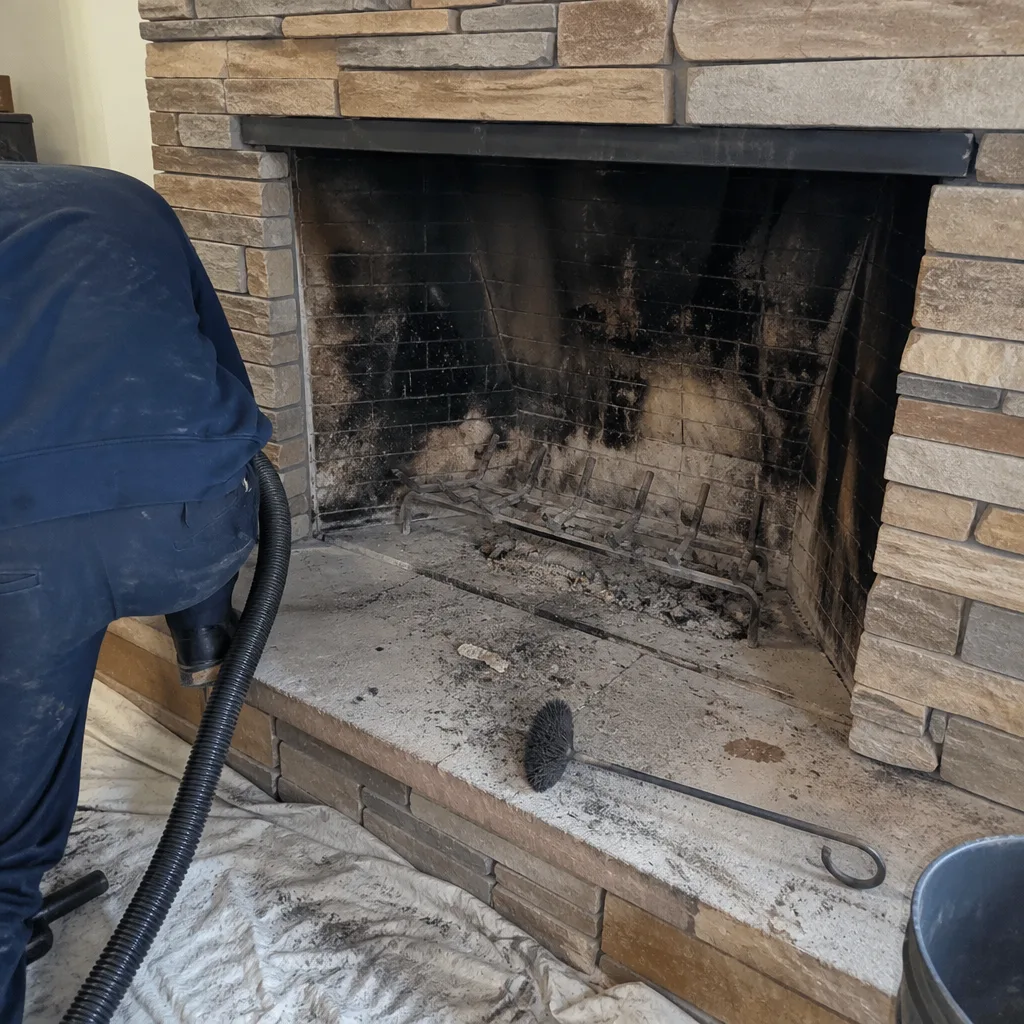 Before
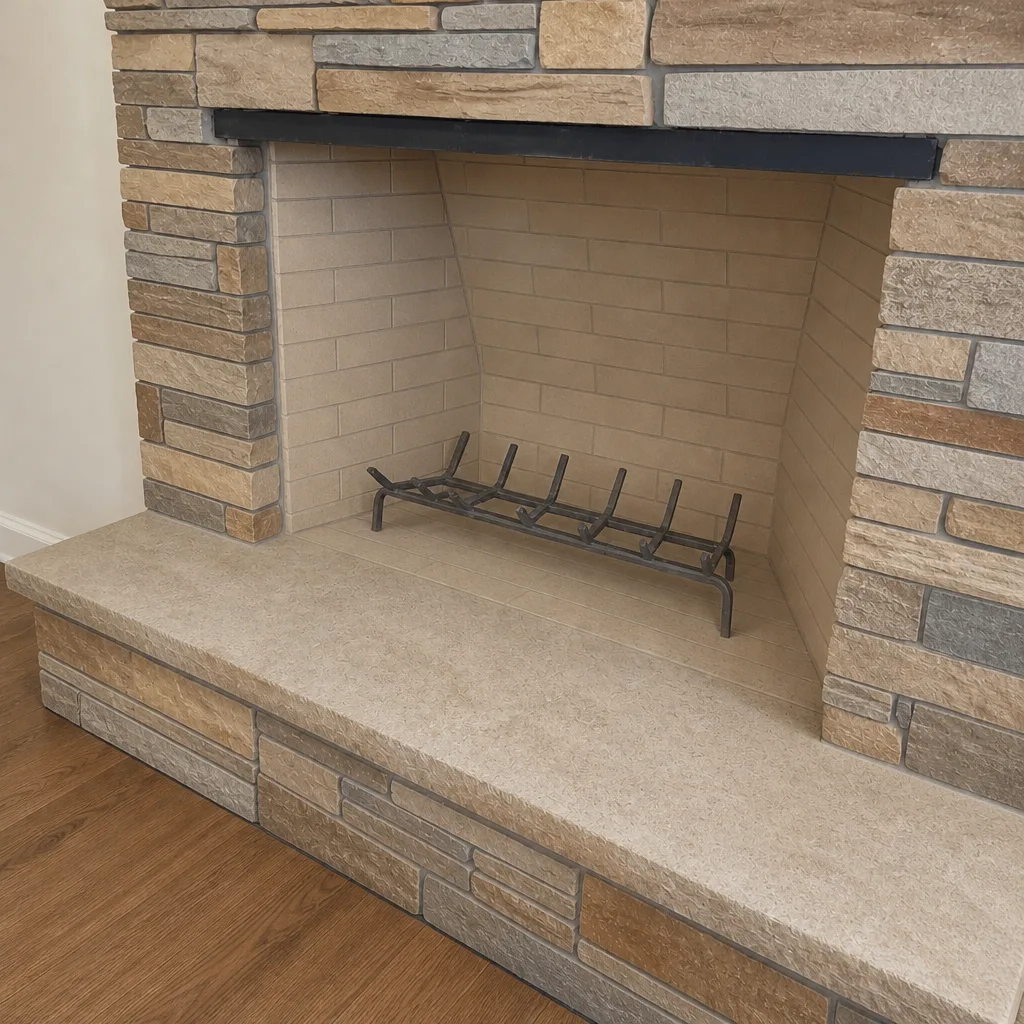 After
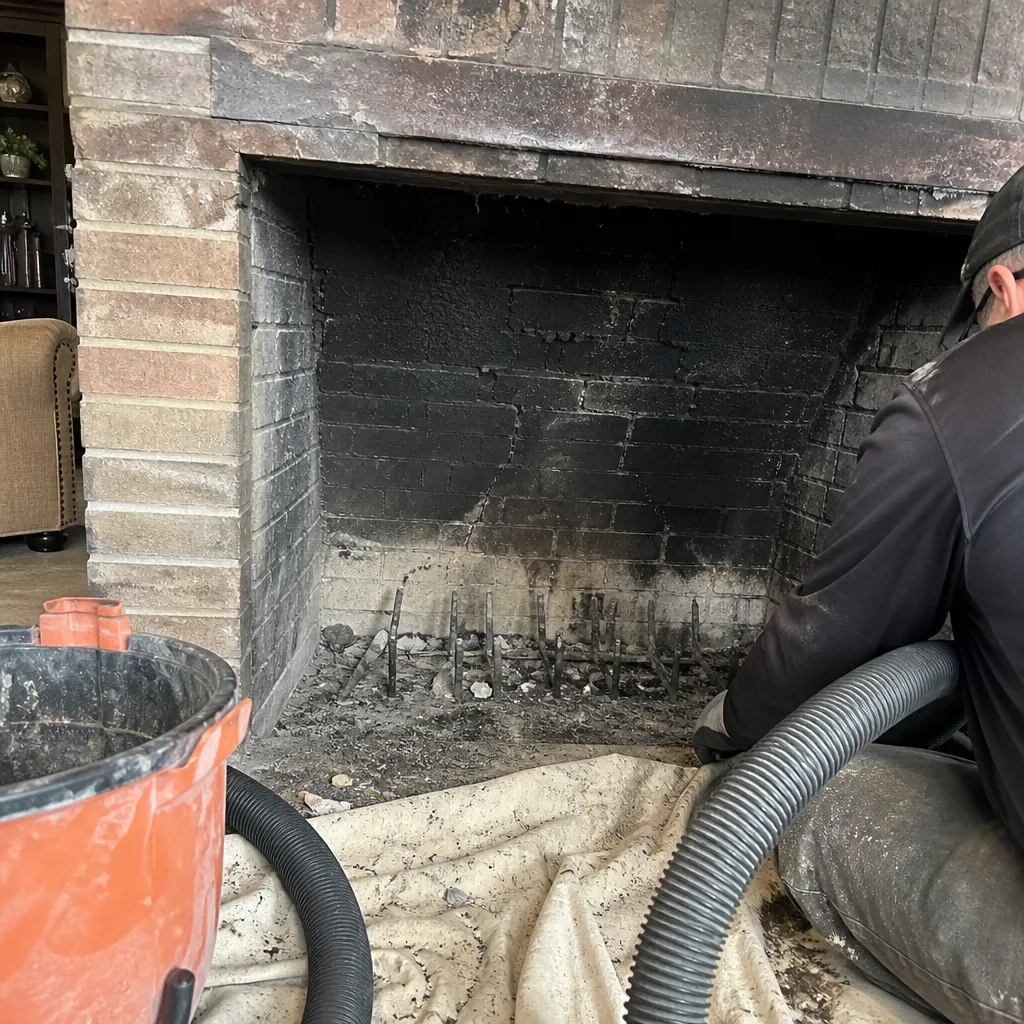 Before
 After
 Before
 After
Common Mistakes to Avoid
- Accepting “stainless steel” as a liner description. All three grades are stainless. Ask for the grade and the gauge, not just the material family. This is the single most consequential specification in the whole job.
- Skipping the inspection before the liner. A liner recommendation made before an inspection isn’t a recommendation; it’s a guess. Highlands Ranch flues often have offsets and transitions that an inspection reveals and a quote can’t anticipate.
- Choosing a cap on price alone. The difference between a 14-gauge and a 16-gauge mesh is a small dollar spread and a large lifespan difference. In a wind-exposed Front Range roofline, the thinner mesh is the one that deforms first.
- Treating the crown as cosmetic. The crown protects the whole chimney from water intrusion. If it’s cracked and unsealed, the liner, the masonry, and the smoke chamber all take water. Flexible sealants like CrownCoat and ChimneySaver exist because rigid mortar doesn’t flex with Highlands Ranch freeze-thaw cycling.
- Buying creosote treatments as a substitute for sweeping. Chemical treatments like Anti-Creo-Soot change the creosote structure so a sweep can remove it more easily. They don’t replace the sweep. Treat a treatment as a prep for the next sweep, not an alternative to it.
- Ignoring the smoke chamber because it’s hidden. The smoke chamber sits above the damper and is a rough masonry surface that collects creosote and slows smoke. It’s a known failure point and the reason HeatShield and SmoothOver exist. If the recommendation ignores the smoke chamber entirely, ask why.
- Approving a recommendation without seeing the warranty. A professional-grade product comes with a stated warranty that references the specific application. If no one can produce it, the product isn’t the right one for your scope.
When to Call a Professional
Some chimney work is a professional call and some can wait. Here’s a quick map. You should schedule an inspection if you’ve recently moved into a home with a fireplace of unknown history, if you’re noticing draft problems or smoke rollback, if you see water staining on the ceiling near the chimney chase, or if the cap has visible damage after a wind event. A crown that’s cracked or a liner that’s spalling in a camera view is a scheduled repair, not an emergency, but it’s not something to defer indefinitely in a freeze-thaw climate. If you smell creosote in the living space on warm days, that’s a sign the flue isn’t drafting correctly and it’s worth getting looked at. If you haven’t had the flue inspected in several seasons, a diagnostic inspection is a reasonable starting point even without a specific symptom.
Chimney Sweep Highlands Ranch offers free estimates in Highlands Ranch. Call (855) 550-7361. We answer 24/7. Fast dispatch from 7am to 7pm, Sunday through Friday.
One more point on safety. Some of the work behind a chimney recommendation is genuinely dangerous to do without training. High-tension components, gas lines, electrical connections, and steep-roof installations are all situations where a trained professional is the right call, not the optional one. A recommendation worth taking seriously will name what’s being done, why, and which product system is specified for it.
Frequently Asked Questions
A chimney sweep is priced per job by a written estimate, based on the flue access, the fuel type, and the condition of the chimney. The estimate is free, and the sweep is quoted separately from any inspection or repair recommendations so you can see the scope before you approve. Call (855) 550-7361 for an exact quote – estimates are free.
A new liner is justified only when the inspection shows cracking, spalling, or a flue that no longer meets the appliance’s venting requirements, and the camera evidence should be shown to you before any work is approved. If the liner is intact and correctly sized, no liner work is required, and the right answer is no. Anything less than camera evidence is a recommendation you can’t verify, so ask to see the photos. Call (855) 550-7361 and we’ll walk you through the inspection findings before any work is quoted.
304 is the baseline stainless grade, 316 adds molybdenum for better acid and chloride resistance, and 316Ti adds titanium to stabilize the alloy against high-temperature sensitization. The grade matters when the appliance runs hot or produces acidic byproducts, which is where the 316Ti recommendation often comes from. If your appliance is a wood-burning insert run hard through the winter, the grade recommendation is technically meaningful; for a lightly used appliance, the grade should still be specified, just not necessarily the top of the range. Call (855) 550-7361 for a quote that names the grade.
In Highlands Ranch, an annual inspection and a sweep based on the creosote buildup the inspection finds is the standard approach. The number of burns per season and the wood moisture content drive the frequency more than a calendar rule. A flue with heavy creosote after a single season is a signal to change the fuel or the burning habits, not just to sweep more often. Call (855) 550-7361 to schedule an inspection that tells you what the flue actually needs.
The cap recommendation is worth the price when it names the mesh gauge, the overhang, the mounting system, and the material. A cap that’s recommended on category alone (“a stainless cap”) isn’t a recommendation; it’s a category. Ask for the spec sheet and compare the gauge against what the manufacturer’s installation spec requires for your flue. Call (855) 550-7361 and we’ll show you the spec before you approve anything.
Skipping maintenance doesn’t cause an immediate problem, but the two real risks are creosote buildup and water intrusion. Creosote buildup increases the risk of a chimney fire if the flue reaches ignition temperature, and water intrusion through a cracked crown or failed cap damages the masonry and the liner over multiple freeze-thaw cycles. Neither risk is a scare story; both are the reason the inspection exists. Call (855) 550-7361 and get the flue looked at.
The Bottom Line
Brand names in chimney work are signals, not guarantees. The signal is that the product came through the professional supply channel with a spec sheet, a manufacturer’s installation requirement, and a warranty that names your application. The substance is whether the contractor can explain the category, the alloy grade or gauge, the mounting or installation method, and why that specific product fits your flue. Ask for the spec sheet before you approve anything, read the warranty, and insist on camera evidence for any liner or structural recommendation. If a recommendation can’t survive those questions, it wasn’t a technical recommendation in the first place. And when the work involves dangerous components like high-tension assemblies, gas lines, or steep-roof installations, a trained professional is the right call. For a diagnostic-first conversation about your chimney in Highlands Ranch, call Chimney Sweep Highlands Ranch at (855) 550-7361 for a free estimate. We answer 24/7. Fast dispatch from 7am to 7pm, Sunday through Friday.
Written by the team at Chimney Sweep Highlands Ranch.